Monthly Archives: November 2016

UK – Scotland -Food Standards Scotland continues ban on Errington Cheeses

Food Safety News

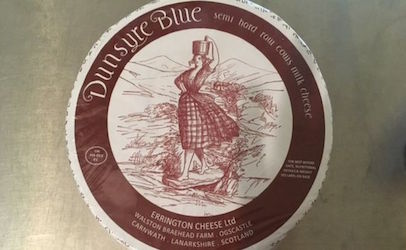
There have been more chapters written in the saga of a Scottish cheesemaker fighting for the survival of its premier brands after they were linked to 22 E. coli illnesses and the death of a 3-year-old girl from Dunbartonshire.

In official action, Food Standards Scotland (FSS) has revised the Food Alert for Action (FAFA), originally issued on Sept. 15, concerning cheese made by Errington Cheese Ltd.

It was the basis for the withdrawal of Errington Cheeses from the marketplace, including Dunsyre Blue and Lanark Blue.

Dbluecheese_406x250The revised FAFA spells out how the food law deals with withdrawn products considered that are considered a health risk. Errington had filed a petition for judicial review on those issues, but has since withdrawn it.

USA -Weight Waters Smart Ones Sundae Recalled for Possible Listeria

Food Poisoning Bulletin kswfoodworld Listeria monocytogenes

Weight Watchers is recalling its Smart Ones Chocolate Chip Cookie Dough Sundae frozen desserts because it may be contaminated with Listeria monocytogenes bacteria. This is the seventh secondary recall of products made with Aspen Hills cookie dough pieces. No reports of illness have been reported in connection to this issue.

The recalled product is 100,000 cases of Weight Watchers Smart Ones Chocolate Chip Cookie Dough Sundae frozen desserts. The product is sold in a 4 pack. You can see the long list of the 21 individual package UPC numbers, best if used by dates, and code dates at the FDA web site. Please look at that list carefully to see if you purchased any of these products.

USA -4C Foods Corp. Voluntarily Recalls 4C Grated Cheese, Homestyle Grated Cheese, and Cento Grated Cheese Brands NET WT. 6 OZ Glass Jars Because of Possible Health Risk – Salmonella

FDA kswfoodworld Salmonella

4C Foods Corp. is voluntarily recalling 4C Grated Cheese, Homestyle Grated Cheese, and Cento Grated Cheese Brands due to possible contamination with Salmonella.  Other 4C Foods products, including any other cheese products, are not impacted by this recall.

This recall was of a nationwide distribution and includes the following products, which were packed in 6 oz. vacuum-sealed glass jars, with BEST BY dates between November 12, 2016 and November 12, 2018 and packaged in cases of either 6 or 12 jars per case:

4C All Natural Parmesan Grated Cheese (UPC 41387-33126)
4C All Natural Parmesan/Romano Grated Cheese (UPC 41387-37126)
4C All Natural 100% Imported Italian Pecorino Romano Cheese (UPC 41387-77126)
4C HomeStyle All Natural Parmesan Grated Cheese (UPC 41387-32790)
4C HomeStyle All Natural Parmesan/Romano Grated Cheese (UPC 41387-11627)
4C HomeStyle All Natural 100% Imported Italian Pecorino Romano Cheese (UPC 41387-12302)  
Cento Parmesan Grated Cheese (UPC 70796-90502)
Cento Romano Grated Cheese (UPC 70796-90501)
Although no illnesses have been reported, we are voluntarily recalling these products out of an abundance of caution after FDA testing revealed the issue.

Information -Toxoplasmosis: greater awareness needed

WHO Toxoplasma

During a routine visit to the doctor during her pregnancy, Dorte Remmer saw a request for women to participate in a scientific study. The study was asking for mothers to allow researchers to screen their newborn babies for toxoplasmosis. As a medical professional, she wanted to contribute to her field, but it was a big shock when her one-day-old baby tested positive for Toxoplasma gondii.

Across the WHO European Region, the risk factors for infection of Toxoplasma gondii, particularly for pregnant women, and the consequences for infected babies or immunocompromised adults, are largely unrecognized.

What is Toxoplasmosis?

Toxoplasmosis is caused by the protozoan parasite Toxoplasma gondii, and affects more than 2 million people every year in the European Region.

Toxoplasma can be acquired trans-placentally (mother to baby), through contact with infected soil or water, ingestion of contaminated food, or in very rare cases through blood/organ donation. It is assumed that half the cases come from eating contaminated food, such as inadequately cooked animal meat, or raw fruits and vegetables. Infection can also occur through contact with cat faeces in the environment, but cats only shed oocysts for a few weeks of their life, usually when kittens. Cats play an important role in the life cycle of the parasite, but they are not the main vehicle of infection.

It is estimated that 95% of people with healthy immune systems will not develop clinical symptoms if infected with Toxoplasma, or they might notice mild influenza-like symptoms that quickly pass.

For this reason, many people do not know when they become infected. In immunocompromised individuals, toxoplasmosis can manifest with more serious symptoms in the eyes, brain and other organs, such as inflammation of the eye that may result in vision loss.

Franziska, interviewed for this story, discovered she had toxoplasmosis a few months into her pregnancy. While she recalls having a mild cold, she will never know how she acquired the infection that led to extensive medical tests and months of treatment.

Surveillance of toxoplasmosis varies considerably between countries, posing a challenge in estimating the burden and outcomes of this disease.

Toxoplasmosis during pregnancy

If women become infected with Toxoplasma during or just before becoming pregnant, the protozoa can be transmitted to the fetus. While not all babies infected in the womb will develop clinical signs of the disease, the infection can lead to miscarriage, stillbirth, or babies may be born with brain abnormalities or partial to complete vision loss. Up to 85% of children infected in utero will develop a decreased quality of vision, and while most symptoms are revealed within the first year of life, the disease can continue to develop until adolescence.

Serologic testing can identify if a pregnant woman has ever been infected with Toxoplasma. If a woman has been infected in the past, there is very little risk of transmission to the fetus. If she has not been previously infected, there is a risk of contracting the disease during pregnancy, which she could then pass to her baby.

When a pregnant woman tests positive for a recent or current infection, she can choose to test the fetus, either through placental blood or amniotic fluid. However, screening is not routine or required in most countries of the European Region. Recommendations are based on a cost–benefit analysis of the prevalence and consequences of the disease in the country and associated risks of screening.

Food safety

To prevent foodborne toxoplasmosis, one should follow the WHO 5 Keys to Safer Food. Effective hygiene including hand-washing and the use of clean water in food production and preparation is critical. Pregnant women should avoid undercooked meat. Fruits and vegetables should be thoroughly washed with clean water.

First-hand experiences

WHO has spoken to people who work with, and have first-hand experience of this common, but largely unknown disease, in order to raise awareness, explain the risks to pregnant women and their babies, and promote prevention.

 

USA-Marine Agrifuture, LLC. Recalls “Kahuku Ogo”, “Robusta Ogo” and “Kahuku Sea Asparagus” Because of Possible Health Risk – Salmonella

FDA Salmonella kswfoodworld

Marine Agrifuture, LLC. of Kahuku, HI, is recalling its “Kahuku Ogo”, “Robusta Ogo” and  “Kahuku Sea Asparagus” because they have the potential to be contaminated with Salmonella, an organism which can cause serious and sometimes fatal infections in young children, frail or elderly people, and others with weakened immune systems. Healthy persons infected with Salmonella often experience fever, diarrhea (which may be bloody), nausea, vomiting and abdominal pain. In rare circumstances, infection with Salmonella can result in the organism getting into the bloodstream and producing more severe illnesses such as arterial infections (i.e., infected aneurysms), endocarditis and arthritis.

The recalled “Kahuku Ogo”, “Robusta Ogo”, and  “Kahuku Sea Asparagus” were distributed mainly in Hawaii to Seafood and Produce Distributors through direct delivery, but also to some customers in CA, WA, NV, and Tokyo Japan, and retailed at local Farmers Markets in Hawaii.

The Ogo products come in a plastic bag of various weights from 0.5 LB to 35 LB, which were sold from November 2, 2016 and prior, and the Sea Asparagus in 4 Ounce, 1 LB clear plastic clamshell or in a 5 LB of plastic bag marked with a tracking number stamped on the lids or bags, which were sold from November 8, 2016 and prior. The corresponding UPC number for 4 OZ, 1 LB, and 5 LB of sea asparagus are 897680001010, 897680001027, and 897680001041 respectively.

Fourteen cases of Salmonella on Oahu have been reported to date in connection with this problem. The potential for contamination was noted after special tests by the Hawaii Department of Health revealed the presence of Salmonella in saltwater in the farm production and processing areas.

Production of the product has been suspended while FDA and the company continue their investigation as to what caused the problem.

Seafood and Produce companies that have purchased Kahuku Ogo, Robusta Ogo, and Kahuku Sea Asparagus described above are urged to stop using or selling or further distributing these products, to disposal of the products, and to have them let us know the amount that was destroyed for credit and reconciliation for your recall. Consumers who have purchased 1 LB or 0.5 LB package of Kahuku Ogo, Robusta Ogo, and 4 OZ package of Kahuku Sea Asparagus at Farmers Markets are urged to return them to the place of purchase for a full refund. Consumers with questions may contact the company at 1-808-779-2885, from 8:00 am to 4:30 pm Monday to Friday Hawaiian time.

USA-Ashby’s Sterling Ice Cream Recalls Peanut Butter Landslide Ice Cream Due to Health Risk; This is Related to Expanded Recall by Outside Supplier Aspen Hills – Listeria monocytogenes

FDA

Ludington, Mich. – House of Flavors, Inc. is voluntarily recalling a limited, affected portion of Its Ashby’s Sterling Peanut Butter Landslide Ice Cream. The product was made with peanut butter cookie dough, purchased from Aspen Hills, Inc., which has expanded its recall due to potential contamination with Listeria monocytogenes. To date, Ashby’s Sterling Ice Cream has received no reports of illness attributed to this product. Listeria monocytogenes is an organism that can cause serious and sometimes fatal infections In young children, frail or elderly people, and others with weakened immune systems. Although healthy individuals may suffer short-term symptoms such as high fever, severe headache, stiffness, nausea, abdominal pain and diarrhea, Listeria monocytogenes infection can cause miscarriages and stillbirths among pregnant women.

Only Ashby’s Sterling Peanut Butter Landslide Ice Cream packaged In 3 gallon container with item number 7305 and lot number #16195 is affected by the recall. No other Ashby’s Sterling Ice Cream or House of Flavors products are included in this recall. The product was sold to distributors and ice cream shops nationally.

Distributors and ice cream shops with product matching this lot number should dispose of the product and contact their distributor for a full refund. Anyone requiring more information should contact House of Flavors consumer affairs at 1-800-930-7740, extension 2229, Monday through Friday 7 a.m. until 5 p.m. (EST).

USA -Cedar Crest Specialties, Inc. Issues Recall on Chocolate Chip Cookie Dough, Monster Cookie and Pirate’s Bounty Ice Cream as a Result of Aspen Hills, Inc. Cookie Dough Recall – Listeria monocytogenes

FDA

Cedar Crest Specialties, Inc. is recalling Chocolate Chip Cookie Dough, Monster Cookie and Pirate’s Bounty ice cream flavors, bearing the following Product Name, Product Code Dates, and container sizes:

Product Name Product Code Date Container Size
Chocolate Chip Cookie Dough 3826, 3846, 4346, and 4326 Pints, 48 oz., 3 gallon
Monster Cookie 3826 3 gallon
Pirate’s Bounty 4346 48 oz.

Cedar Crest was notified on November 10 that the cookie dough in the above-referenced products, which is manufactured by Aspen Hills, Inc., has the potential to be contaminated with Listeria monocytogenes, an organism that can cause serious and sometimes fatal infections in young children, frail or elderly people, and others with weakened immune systems. Although healthy individuals may suffer only short-term symptoms such as high fever, severe headache, stiffness, nausea, abdominal pain and diarrhea, Listeria infection can cause miscarriages and stillbirths among pregnant women.

The affected products were distributed in retail stores throughout the Midwest. Cedar Crest Specialties is taking immediate steps to recall all affected products, as a voluntary, preventative safety measure.

Customers who have purchased Cedar Crest Chocolate Chip Cookie Dough, Monster Cookie and/or Pirate’s Bounty flavors, bearing the affected Product Code dates and container sizes, are urged to return it to the place of purchase for a full refund. Questions may be directed to 1-888-628-0730, Monday-Friday between 8AM and 4PM Central Time.

To date, no illnesses have been reported related to this recall.


UK – Scotland -Errington Cheese Row Continues

Food Quality News

The row between Errington Cheese and Food Standards Scotland (FSS) continued this week, after FSS rejected claims it offered to pay the cheesemaker’s legal fees in full, in return for the firm dropping its application for a judicial review of a destruction order of its products.


UK -New sentencing guidelines for food safety violations used in England

Food Safety News

Al-Ummah Halal Poultry Limited in Barnsley, a large town in South Yorkshire, England, was sentenced under new guidelines earlier this week after pleading guilty in Magistrates Court to food safety related violations.

The company which operates a poultry slaughterhouse in Barnsley, was fined £22,000 after pleading guilty to eleven offences, including failure to:

  • remove viscera from poultry carcasses after slaughter;
  • prevent spillage of digestive tract contents onto poultry; and
  • comply with a Remedial Action Notice which was served regarding poor evisceration.

The company was found not guilty in relation to six other charges.

USA -Schnuck Markets Inc. Recalls Ready-To-Eat Chicken Breast Products That May Be Undercooked

FSIS USDA Campylobacter kswfoodworld

WASHINGTON, Nov. 12, 2016 – Schnuck Markets Inc., O’Fallon, Mo. establishment, is recalling approximately 62 pounds of ready-to-eat grilled chicken products due to undercooking, resulting in the potential survival of bacterial pathogens in the products, the U.S. Department of Agriculture’s Food Safety and Inspection Service (FSIS) announced today.

The Butter Garlic Marinated Grilled Chicken Breast items were produced and packaged on November 8, 2016. The following products are subject to recall: [View Label]

  • Ready-to-eat grilled chicken containing the label of “Butter Garlic Marinated Grilled Chicken Breast” with a sell date of November 13, 2016.

The products subject to recall bear establishment number “EST. 13562” inside the USDA mark of inspection. These items were shipped to 26 Schnuck retail locations in Missouri, Illinois, and Indiana.

Customers purchased the affected product from the Deli or Chef’s Express service case and would contain a purchase date of November 9 or 10 on the label.

The problem was discovered on November 10, 2016 by an internal investigation conducted by the firm after it received a consumer complaint regarding the purchase of undercooked chicken breast.

There have been no confirmed reports of adverse health effects due to consumption of these products. Anyone concerned about a health effect should contact a healthcare provider.

Consumers who have purchased these products are urged not to consume them. These products should be thrown away or returned to the place of purchase.

FSIS routinely conducts recall effectiveness checks to verify recalling firms notify their customers of the recall and that steps are taken to make certain that the product is no longer available to consumers. When available, the retail distribution list(s) will be posted on the FSIS website at www.fsis.usda.gov/recalls.

Consumers with questions about the recall can contact Schnuck Consumer Affairs Hotline, at (314) 994-4400. Media with questions about the recall can contact Paul Simon, Senior Communications Specialist, at (314) 994-4603.

Consumers with food safety questions can “Ask Karen,” the FSIS virtual representative available 24 hours a day at AskKaren.gov or via smartphone at m.askkaren.gov. The toll-free USDA Meat and Poultry Hotline 1-888-MPHotline (1-888-674-6854) is available in English and Spanish and can be reached from 10 a.m. to 4 p.m. (Eastern Time) Monday through Friday. Recorded food safety messages are available 24 hours a day. The online Electronic Consumer Complaint Monitoring System can be accessed 24 hours a day at: http://www.fsis.usda.gov/reportproblem.