Monthly Archives: November 2016

UK -FSA publishes review of antimicrobial resistance evidence

FSA

The FSA has today published a systematic review of the available evidence on antimicrobial resistance (AMR) in food. The review looked at research on the presence of AMR in bacteria in a number of different foods sold at retail.

The research has confirmed the need for extra surveillance of AMR in food at retail level, to support the wider programme of work currently underway across government to help reduce levels of AMR.

The study was produced by the Royal Veterinary College, on behalf of the Food Standards Agency, and looked at the areas where consumers are more likely to be exposed to AMR in bacteria from the food chain. Researchers examined published evidence between 1999 and 2016 for pork and poultry meat, dairy products, seafood and fresh produce sold in shops.

The research has been released ahead of next week’s (29 November to 2 December) Codex Alimentarius working group on AMR. Codex Alimentarius is the global food standards body, which at its plenary meeting this summer decided to re-commence work on AMR. The working group has been organised by the FSA and will be held in London and chaired by the UK, USA and Australia. It is the first step in this new work, and will set terms of reference for the intergovernmental task force that will follow.
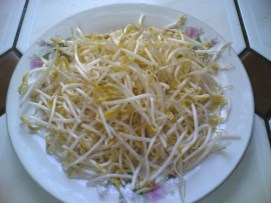

Information -Publisher’s Platform: More data against fresh, raw sprouts – Food Safety News

Food Safety News Bean-sprouts

LiveScience reporter Sara G. Miller covered a recent FDA presentation on the risks of sprouts at IDWeek. According to Miller, “sprout contamination continues to pose a serious public health concern,” the researchers from the Food and Drug Administration wrote in their report.

According to FDA’s Coordinated Outbreak Response and Evaluation Network (CORE), from 1996 to August 2016, there were 48 outbreaks of illness were associated with fresh sprouts, the researchers found.

Alfalfa sprouts were the most common culprit during the study period, with 30 outbreaks. There were seven outbreaks linked to clover sprouts, six outbreaks linked to mung bean sprouts, two outbreaks linked to unspecified sprouts, two outbreaks linked to multiple sprout types and one outbreak linked to a food ingredient called sprouted chia powder.

Research -Assessment of irrigation water quality and microbiological safety of leafy greens in different production systems

Wiley Online Library Water

Abstract

Foodborne disease outbreaks associated with fresh produce irrigated with contaminated water are a constant threat to consumer health. In this study, the impact of irrigation water on product safety from different food production systems (commercial to small-scale faming and homestead gardens) was assessed. Hygiene indicators (total coliforms, Escherichia coli), and selected foodborne pathogens (Salmonella spp., Listeria monocytogenes, and Escherichia coli O157:H7) of water and leafy green vegetables were analyzed. Microbiological parameters of all irrigation water (except borehole) exceeded maximum limits set by the Department of Water Affairs for safe irrigation water. Microbial parameters for leafy greens ranged from 2.94 to 4.31 log CFU/g (aerobic plate counts) and 1 to 5.27 log MPN/100g (total coliforms and E. coli). Salmonella and E. coli O157:H7 were not detected in all samples tested but L. monocytogenes was present in irrigation water (commercial and small-scale farm, and homestead gardens). This study highlights the potential riskiness of using polluted water for crop production in different agricultural settings.

Practical applications

These results show that the microbial quality of surface water is deteriorating in different agricultural settings. This may be a possible preharvest source of contamination of leafy green vegetables, which may then constitute a health risk to consumers. The presence of Listeria monocytogenes along the food supply chain is a potential health risk if the pathogen proliferates leading to high quantities suitable for onset of listeriosis. The absence of Salmonella and Escherichia coli O157:H7 in the samples tested is an encouraging result. Food safety protocols should be extended to the informal sectors and homestead gardens.

Research -Adaptive Response of Listeria monocytogenes to Heat, Salinity and Low pH, after Habituation on Cherry Tomatoes and Lettuce Leaves

Plos One cherry-tomato-pristine-variety

Pathogens found on fresh produce may encounter low temperatures, high acidity and limited nutrient availability. The aim of this study was to evaluate the effect of habituation of Listeria monocytogenes on cherry tomatoes or lettuce leaves on its subsequent response to inhibitory levels of acid, osmotic and heat stress. Habituation was performed by inoculating lettuce coupons, whole cherry tomatoes or tryptic soy broth (TSB) with a three-strains composite of L. monocytogenes, which were further incubated at 5°C for 24 hours or 5 days. Additionally, cells grown overnight in TSB supplemented with 0.6% yeast extract (TSBYE) at 30°C were used as control cells. Following habituation, L. monocytogenes cells were harvested and exposed to: (i) pH 3.5 adjusted with lactic acid, acetic acid or hydrochloric acid (HCl), and pH 1.5 (HCl) for 6 h; (ii) 20% NaCl and (iii) 60°C for 150 s. Results showed that tomato-habituated L. monocytogenes cells were more tolerant (P < 0.05) to acid or osmotic stress than those habituated on lettuce, and habituation on both foods resulted in more stress resistant cells than prior growth in TSB. On the contrary, the highest resistance to heat stress (P < 0.05) was exhibited by the lettuce-habituated L. monocytogenes cells followed by TSB-grown cells at 5°C for 24 h, whereas tomato-habituated cells were highly sensitized. Prolonged starvation on fresh produce (5 days vs. 24 h) increased resistance to osmotic and acid stress, but reduced thermotolerance, regardless of the pre-exposure environment (i.e., tomatoes, lettuce or TSB). These results indicate that L. monocytogenes cells habituated on fresh produce at low temperatures might acquire resistance to subsequent antimicrobial treatments raising important food safety implications.

Research -Development of growth and survival models for Salmonella and Listeria monocytogenes during non-isothermal time-temperature profiles in leafy greens

Science Direct Eurofins Food Testing UK

Leafy greens contaminated with Salmonella enterica have been linked to large number of illnesses in many countries in recent years. Listeria monocytogenes is also a pathogen of concern for leafy greens because of its prevalence in the growing and processing environment and its ability to grow at refrigeration temperatures. Experimental data for the growth and survival of S. enterica and L. monocytogenes under different conditions and storage temperatures were retrieved from published studies. Predictive models were developed using the three-phase linear model as a primary growth model and square-root model to calculate specific growth rate (ln CFU g1 h−1) at different temperatures (°C). The square-root model for S. enterica was calculated as μ = (0.020(Temperature+0.57))2. The square-root model for L. monocytogenes was fitted as μ = (0.023(Temperature-0.60))2. The growth-survival model for S. enterica and growth model for L. monocytogenes were validated using several dynamic time-temperature profiles during the production and supply chain of leafy greens. The models from this study will be useful for future microbial risk assessments and predictions of behavior of S. enterica and L. monocytogenes in the leafy greens production and supply chain.


Research -Is There a Relation between the Microscopic Leaf Morphology and the Association of Salmonella and Escherichia coli O157:H7 with Iceberg Lettuce Leaves

Ingenta Connect

To prevent contamination of fresh produce with enteric pathogens, more insight into mechanisms that may influence the association of these pathogens with fresh produce is needed. In this study, Escherichia coli O157:H7 and Salmonella were chosen as model pathogens, and fresh cut iceberg lettuce was chosen as a model fresh produce type. The morphological structure of iceberg lettuce leaves (stomatal density and length of cell margins per leaf area) was quantified by means of leaf peels and light microscopy of leaves at different stages of development (outer, middle, and inner leaves of the crop) on both leaf sides (abaxial and adxial) and in three leaf regions (top, center, and bottom). The morphology of the top region of the leaves was distinctly different from that of the center and base, with a significantly higher stomatal density (up to five times more stomata), different cell shape, and longer cell margins (two to three times longer). Morphological differences between the same regions of the leaves at different stages of development were smaller or nonsignificant. An attachment assay with two attenuated E. coli O157:H7 strains (84-24h11-GFP and BRMSID 188 GFP) and two Salmonella strains (serovars Thompson and Typhimurium) was performed on different regions of the middle leaves. Our results confirmed earlier reports that these pathogens have a higher affinity for the base of the lettuce leaf than the top. Differences of up to 2.12 log CFU/g were seen (E. coli O157:H7 86-24h11GFP). Intermediate attachment occurred in the central region. The higher incidence of preferential bacterial attachment sites such as stomata and cell margins or grooves could not explain the differences observed in the association of the tested pathogens with different regions of iceberg lettuce leaves.

Research -Infectious Dose of Listeria monocytogenes in Outbreak Linked to Ice Cream, United States, 2015

CDC kswfoodworld Listeria monocytogenes

The relationship between the number of ingested Listeria monocytogenes cells in food and the likelihood of developing listeriosis is not well understood. Data from an outbreak of listeriosis linked to milkshakes made from ice cream produced in 1 factory showed that contaminated products were distributed widely to the public without any reported cases, except for 4 cases of severe illness in persons who were highly susceptible. The ingestion of high doses of L. monocytogenes by these patients infected through milkshakes was unlikely if possible additional contamination associated with the preparation of the milkshake is ruled out. This outbreak illustrated that the vast majority of the population did not become ill after ingesting a low level of L. monocytogenes but raises the question of listeriosis cases in highly susceptible persons after distribution of low-level contaminated products that did not support the growth of this pathogen.

USA -LSG Sky Chefs, 7-Eleven, Taylor Farms and Schnucks caught in Sabra Hummus Listeria Web

Food Poisoning Journal

LSG Sky Chefs Supply Chain Solutions, Inc. (“LSG Sky Chefs”) announced that it issued a voluntary recall for the 7-Eleven Chicken and Hummus sandwiches the company produces for 7-Eleven stores in the Pittsburgh, PA, Cleveland, OH, and the Buffalo, NY markets. The hummus spread used in the sandwiches is subject to a national recall issued by Sabra Dipping Company due to possible Listeria monocytogenes contamination. All 7-Eleven Chicken with Hummus sandwiches have already been pulled from affected 7-Eleven stores. No other products or retailers are involved in this voluntary recall.

UK – FSA publishes review of antimicrobial resistance evidence

FSA

The FSA has today published a systematic review of the available evidence on antimicrobial resistance (AMR) in food. The review looked at research on the presence of AMR in bacteria in a number of different foods sold at retail.

The research has confirmed the need for extra surveillance of AMR in food at retail level, to support the wider programme of work currently underway across government to help reduce levels of AMR.

The study has been produced by the Royal Veterinary College, on behalf of the Food Standards Agency, and looked at the areas where consumers are more likely to be exposed to AMR in bacteria from the food chain. Researchers examined published evidence between 1999 and 2016 for pork and poultry meat, dairy products, seafood and fresh produce sold in shops.

The report has been released ahead of next week’s (29 November to 2 December) Codex Alimentarius working group on AMR. Codex Alimentarius is the global food standards body, which at its plenary meeting this summer decided to re-commence work on AMR. The working group has been organised by the FSA and will be held in London and chaired by the UK, USA and Australia. It is the first step in this new work, and will set terms of reference for the intergovernmental task force that will follow.
The FSA’s role in tackling AMR

The Government response to Lord O’Neill’s Review on AMR was published last month and gives a commitment to work nationally and internationally to meet the significant threat that AMR poses to global health, prosperity and security.

The FSA is working closely with other government departments to try and reduce levels of AMR.

FSA action includes:

  • Working to encourage the adoption of clear transparent reporting standards that help consumers have access to and understand information about the responsible use of antibiotics in the food chain.
  • Continued focus on improving the scientific evidence base relating to antimicrobial resistance in the food chain through supporting relevant research and improving surveillance.
  • Setting up an independent group to advise us on responsible use of antibiotics in agriculture to support the above work.
The science behind the story:

What is AMR?

AMR is the ability of a microbe to withstand the effects of the antimicrobials. Antimicrobials are the drugs used to treat them, like antibiotics and antivirals. To have this ability, the microbe must have antimicrobial resistance genes (AMR genes). Microbes may be resistant to just one antimicrobial or to many (multi-resistant) depending on which AMR genes they have. This can make infections by these microbes difficult to treat, causing infections to persist.

Facts about AMR

Research -Toxoplasma’s balancing act explained

Science Daily Toxoplasma

The parasite Toxoplasma gondii is a silent success. It infects up to 95% of people in many regions of the world, and most of them never know it, due to the parasite’s artful manipulation of its host’s immune response. Toxoplasma keeps the immune response low enough so that it can thrive, but high enough so that its human hosts generally live healthy lives and can incubate parasites. Scientists have uncovered one of the ways it maintains this balance.