Monthly Archives: February 2016

RASFF Alert – STEC E.coli -Raw Milk Cheese

RASFFa

RASFF-shigatoxin-producing Escherichia coli (stx+, eae+, O:103 /25g) in raw milk cheese from France in Italy

RASFF Alerts – E.coli -Chilled Mussels – Praew Leaves

RASFFa

RASFF-too high count of Escherichia coli (1300 MPN/100g) in chilled mussels (Mytilus galloprovincialis) from Spain in Italy

RASFF-too high count of Escherichia coli (1300 MPN/100g) in chilled mussels (Mytilus galloprovincialis) from Spain in Italy

RASFF-too high count of Escherichia coli (490 MPN/100g) in chilled mussels (Mytilus galloprovincialis) in Italy

RASFF-high count of Escherichia coli (1000 CFU/g) in praew leaves (Vietnamese coriander – Polygonum odoratum) from Laos, via Vietnam in the UK

RASFF-too high count of Escherichia coli (1700 MPN/100g) in chilled mussels (Mytilus galloprovincialis) from Spain  in Italy

RASFF-too high count of Escherichia coli (790 MPN/100g) in chilled mussels from Italy  in Italy


Information :What is Food Spoilage?

FoodSafety.gov

What happens to foods when they spoil, and are they dangerous to eat? What causes foods to spoil and how? These are questions we often get on USDA’s Meat and Poultry Hotline. Read on to learn the science behind food spoilage.


UK – FSA -Signs of further progress on campylobacter reduction

FSA imagesCAYZ5I84

The results for the second quarter of testing, from October to December 2015, continue to show a decrease in the number of birds with the highest level of contamination from the same months last year. These most heavily contaminated birds, carrying more than 1,000 colony forming units per gram (cfu/g), are the focus of the current target agreed by industry, which is equivalent to no more than 7% of chickens at retail having the highest levels of contamination. Research has shown that reducing the proportion of birds in this category will have the biggest positive impact on public health. The latest data show 11% of chickens tested positive for the highest level of contamination, down from 19% in October to December 2014. Campylobacter was present on 59% of chicken samples, down from 74% in the same months of the previous year.

RASFF Alerts – Hepatitis A -Groved Carpet Shells – Clams

RASFFa

RASFF-hepatitis A virus in grooved carpet shells (Ruditapes decussatus) from Tunisia in Italy

RASFF-hepatitis A virus (presence) in chilled clams (Ruditapes decussatus) from Tunisia in Italy

RASFF-hepatitis A virus (presence) in chilled clams (Ruditapes decussatus) from Tunisia in Italy

RASFF Alerts – Campylobacter -Whole Chickens

RASFFa

RASFF-Campylobacter jejuni (between <100 and 29000 CFU/g) in chilled whole chickens from France in Denmark

RASFF-Campylobacter jejuni (between <100 and 50000 CFU/g) in chilled whole chickens and chicken cuts from France in Denmark


RASFF Alerts – Listeria monocytogenes – Smoked Trout Falafel

RASFFa

RASFF-Listeria monocytogenes (570 CFU/g) in frozen smoked trout from Turkey, via Bulgaria in the Netherlands

RASFF-Listeria monocytogenes (presence CFU/g) in organic falafel nuggets from the Netherlands in the Netherlands

RASFF Alert – Aflatoxin -Organic Corn

RASFFa

RASFF-aflatoxins (B1 = 100.4 µg/kg – ppb) in organic corn from India in Norway

RASFF Alerts – Animal Feed – Salmonella – Bread Residues – Sunflower Meal

RASFFa

RASFF-Salmonella typhimurium (presence /25g) in bread residues from Sweden in Sweden

RASFF-Salmonella Agona (presence /25g) in sunflower meal from the Czech Republic in Germany

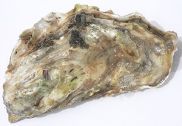
USA -Oregon Norovirus Outbreak Linked to Yaquina Bay Oysters

Food Poisoning Bulletin Vibrio

State and local public health officials are investigating an outbreak of norovirus that sickened 17 people who ate oysters from Yaquina Bay earlier this month.

All 17 people, who were among three separate groups totaling 32 people who ate at restaurants throughout Lincoln County, have recovered. One person had been hospitalized. Those who fell ill reported having eaten the oysters between Feb. 12 and Feb. 14.

The Oregon Health Authority Public Health Division, Lincoln County Health & Human Services and the Oregon Department of Agriculture, teamed up on the investigation.