
RASFF -dressing from Sweden infested with yeasts in Denmark
RASFF– naan bread from the United Kingdom infested with moulds in Denmark

RASFF -dressing from Sweden infested with yeasts in Denmark
RASFF– naan bread from the United Kingdom infested with moulds in Denmark
Posted in Uncategorized
RASFF-aflatoxins (B1 = 16 µg/kg – ppb) in pistachios in shell from the United States in Italy
RASFF-aflatoxins (B1 = 15 µg/kg – ppb) in shelled almonds from the United States in Portugal
RASFF-aflatoxins (B1 = 93.4; Tot. = 107 µg/kg – ppb) in kebab spices from Ghana in Belgium
RASFF-aflatoxins (B1 = 19 µg/kg – ppb) in pistachios from Iran, via Germany in Italy
RASFF-aflatoxins (B1 = 9.5; Tot. = 11 µg/kg – ppb) in shelled peanuts from China in Italy
Posted in Uncategorized
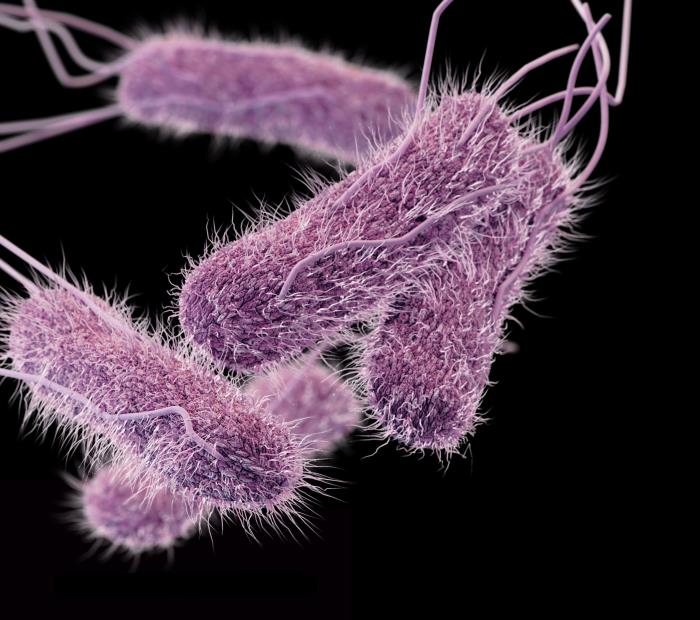
RASFF-Salmonella infantis (present /25g) in frozen chicken without giblets from Hungary in Croatia
RASFF-Salmonella enteritidis (presence in 2samples of 5 /25g) in chilled boneless, skinless chicken breast fillet from Poland in the Czech Republic
RASFF-Salmonella Abaetetuba (presence /25g) in buckwheat meal from Austria in Germany
RASFF-Salmonella spp. (presence /25g) in frozen salted chicken from Thailand in the Netherlands
RASFF-Salmonella spp. (presence /25g) in frozen salted chicken from Thailand in the Netherlands
Posted in Uncategorized
RASFF– Salmonella (present /50g) in dog chews from India in Italy
RASFF-Salmonella spp. (presence /25g) in rapeseed meal from Poland in Germany
Posted in Uncategorized
In 2014, a total of 3157 original notifications were transmitted through the RASFF, of which 751 were classified as alert, 410 as information for follow-up, 623 as information for attention and 1373 as border rejection notification. These original notifications gave rise to 5910 follow-up notifications, representing an average of about 1.9 follow-ups per original notification. For alert notifications this average rises to an impressive 4.4 follow-ups per original notification.
Compared to 2013 some important differences are noticeable. The alert notifications figure has increased by more than 25% while the other notification types were reported significantly less. The overall figures present an insignificant 1.1% decrease in original notifications compared to 2013 but a 14.6% increase in follow-up notifications, resulting in an overall increase of 8.7%. The overall conclusion can thus be that in 2014, RASFF focused on its “core business” being enabling competent authorities to withdraw foods or feeds from the market presenting a significant risk to consumers, thereby increasing the efficiency of the network. Follow-ups to alerts make this possible through informing other countries and authorities about the risk, analytical results, measures taken and traceability of the products at risk.
Posted in Uncategorized
Murry’s, Inc., a Lebanon, Pa. establishment, is recalling approximately 20,232 pounds of gluten-free breaded chicken nugget product that tested positive for Staphylococcal enterotoxin, the U.S. Department of Agriculture’s Food Safety and Inspection Service (FSIS) announced today.
The following product is subject to recall: [View Labels (PDF Only)]
The product, bearing establishment number “P-516” inside the USDA mark of inspection, was shipped to an establishment for distribution nationwide.
The problem was discovered by the Colorado Department of Agriculture during a routine retail surveillance and sampling program, which is funded by the USDA at a Federal Emergency Response Network lab. After being notified of the positive test result, FSIS conducted traceback activities.
Staphylococcal food poisoning is a gastrointestinal illness. It is caused by eating foods contaminated with toxin-producing Staphylococcus aureus.
Staphylococcus aureus is a common bacterium found on the skin and in the noses of healthy people and animals. Staphylococcus aureus can produce seven different toxins that are frequently responsible for food poisoning.
Staphylococcal enterotoxins are fast acting, sometimes causing illness in as little as 30 minutes. Thoroughly cooking product does not prevent illness, and symptoms usually develop within one to six hours after eating contaminated food. Patients typically experience several of the following: nausea, vomiting, stomach cramps, and diarrhea. The illness is usually mild and most patients recover after one to three days.
To prevent Staphylococcal contamination, keep kitchens and food-serving areas clean and sanitized. Keep hot foods hot (over 140 °F) and cold foods cold (40 °F or under). Make sure to wash hands and under fingernails vigorously with soap and water before handling and preparing food. Do not prepare food if you have an open sore or wound on your hands or if you have a nose or eye infection.
FSIS and the company have received no reports of adverse reactions due to consumption of these products. Anyone concerned about a reaction should contact a healthcare provider.
FSIS routinely conducts recall effectiveness checks to verify recalling firms notify their customers of the recall and that steps are taken to make certain that the product is no longer available to consumers. When available, the retail distribution list(s) will be posted on the FSIS website at www.fsis.usda.gov/recalls.
Consumers and media with questions about the recall can contact Murry’s Customer Service, at (800) 638-0215.
Consumers with food safety questions can “Ask Karen,” the FSIS virtual representative available 24 hours a day at AskKaren.gov or via smartphone at m.askkaren.gov. The toll-free USDA Meat and Poultry Hotline 1-888-MPHotline (1-888-674-6854) is available in English and Spanish and can be reached from l0 a.m. to 4 p.m. (Eastern Time) Monday through Friday. Recorded food safety messages are available 24 hours a day. The online Electronic Consumer Complaint Monitoring System can be accessed 24 hours a day at: http://www.fsis.usda.gov/reportproblem.
Posted in Uncategorized
Almost 1,300 cases of Cow-Boom! Strips Beef Gullet have been recalled because the dog treats could be contaminated with salmonella.
I and Love and You is recalling almost 1,300 cases of Cow-Boom! Strips Beef Gullet because the dog treats could be contaminated with salmonella, the Boulder, Colo.-based company says.
The treats were sold throughout the United States to wholesale distributors and retail stores. They were distributed through grocery chains and via online retailers, according to the company.
Posted in Uncategorized
Two Minnesota residents recently sickened with Salmonella infections have had their illnesses linked to frozen raw tuna, the Minnesota Department of Health (MDH) announced Tuesday.
The ill Minnesotans are adults in their 30s from the metro area who became ill on June 21 and June 30. Neither was hospitalized.
These cases, which the Minnesota health officials indicated are part of a larger national outbreak, were linked to spicy tuna rolls purchased at a grocery store and a workplace cafeteria. The outbreak strain of Salmonella bacteria was found in sealed bags of frozen raw tuna from the lot used to make the spicy tuna rolls eaten by one of the sickened individuals, the department stated.
Posted in Uncategorized
Omaha Steaks is recalling raw frozen stuffed chicken breast products for possible Salmonella contamination. The products were manufactured by Barber Foods, which has recalled 1.7 million pounds of chicken products.
The recalled products are Chicken Cordon Bleu with date code ECREK, Chicken Kiev with date codes EIBOK and ECBIK, and Breast of Chicken with Broccoli & Cheese with date codes ECEHK and ECEOK. They have the establishment number P-4230A on the package.
Posted in Uncategorized
The food recall warning issued on July 13, 2015 has been updated to include additional product information as well as corrected information. This additional information was identified during the Canadian Food Inspection Agency’s (CFIA) food safety investigation. The corrections are listed in the link above.
Industry is recalling Barber Foods brand uncooked stuffed chicken products from the marketplace due to possible Salmonella contamination. Consumers should not consume and distributors, retailers and food service establishments such as hotels, restaurants, cafeterias, hospitals and nursing homes should not sell or use the recalled products described below.
Posted in Uncategorized


 FoodWorld