Tag Archives: Infectious Diseases

Europe – Impact of Anthropogenic Changes to Water on Human Pathogens

HPS

The journal ‘Eurosurveillance’ is inviting authors to submit papers for a special issue on the impact of anthropogenic changes to water on human pathogens and the epidemiology of infectious diseases and relevance for public health.

The submission deadline has been extended to 13 May 2015.

Water can act as a solvent for antimicrobials, antifungals, antivirals, pesticides, and heavy metals. The release of such substances in the water can lead to the development of respective resistance in pathogens or related vectors. The resistance can spread between pathogens (e.g. via plasmid exchange), but resistant pathogens can also be propagated further in the environment via currents, or food webs, allowing humans to be exposed in new ways.

The aim of this special issue is to provide examples relevant for European public health, on how anthropogenic changes to water affect epidemiology of human infectious disease and how these changes cause infections with pathogens exhibiting novel drug resistance and/or virulence patterns.
Topics of interest include, but are not limited to:

  • emerging opportunistic fungal and bacterial infection acquired in the healthcare setting through contact with water and aerosols;
  • infections caused by organisms from ground water, drinking wells and water reservoirs with resistance to antimicrobials due to increasing concentrations of such substances in these artificial water systems;
  • unusual human outbreaks due to ingestion of pathogens present in foods originating from aquatic environments affected by anthropogenic changes, or due to exposure to pathogens from such environments;
  • issues related to the detection and identification of cases and the proof of anthropogenic change to water as a cause.

For guidance on submitting papers or for further information, consult the Eurosurveillance instructions for authors regarding article formats (at http://www.eurosurveillance.org/Public/ForAuthors/ForAuthors.aspx) or contact the editorial team at eurosurveillance@ecdc.europa.eu. [Source: Eurosurveillance, 16 April 2015. http://www.eurosurveillance.org/ViewArticle.aspx?ArticleId=21092]
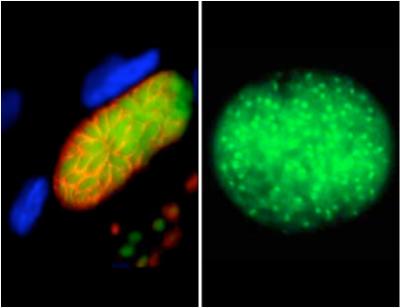
Research – Multicriteria-Based Ranking for Risk Management of Food-Born Parasites

FAO Toxoplasma

Infectious diseases caused by food-borne parasites have not received the same level of attention as other food-borne biological and chemical hazards. Nevertheless, they cause a high burden of disease in humans, may have prolonged, severe, and sometimes fatal outcomes, and result in considerable hardship in terms of food safety, security, quality of life, and negative impacts on livelihoods. The transmission routes for food-borne parasites are diverse. They can be transmitted by ingesting fresh or processed foods that have been contaminated via the environment, by animals or people. Additionally, notification to public health authorities is not compulsory for most parasitic diseases, so official reports do not capture the true prevalence or incidence of the diseases, as much underreporting occurs. This report presents the results of a global ranking of food-borne parasites from a food safety perspective. It also provides an overview of the current status of knowledge of the ranked parasites in food and their public health and trade impact, and provides advice and guidance on the parasite-commodity combinations of particular concern, the issues that need to be addressed by risk managers, and the risk management options available to them. It documents the ranking process used to facilitate its adoption at regional, national, or local levels. This volume and others in this Microbiological Risk Assessment Series contain information that is useful to both risk assessors and risk managers, the Codex Alimentarius Commission, governments and regulatory agencies, food producers and processers and other institutions or individuals with an interest in foodborne parasites and their impact on food safety, public health and livelihoods.

Australia – 50 Sick – Salmonella Outbreak at a Cafe

The Age

At least 50 people have fallen ill with Salmonella food poisoning after  eating at a cafe at Torquay. Bottle of Milk will remain closed while further testing of food and equipment  is carried out.

Director of Infectious Diseases at Geelong Hospital Doctor Eugene Asson said  at least five people have been admitted to hospital.

He’s urging anyone with symptoms to see their doctor.