Tag Archives: concentrations

UK – Endotoxin in Metal Working Fluid (MWF)

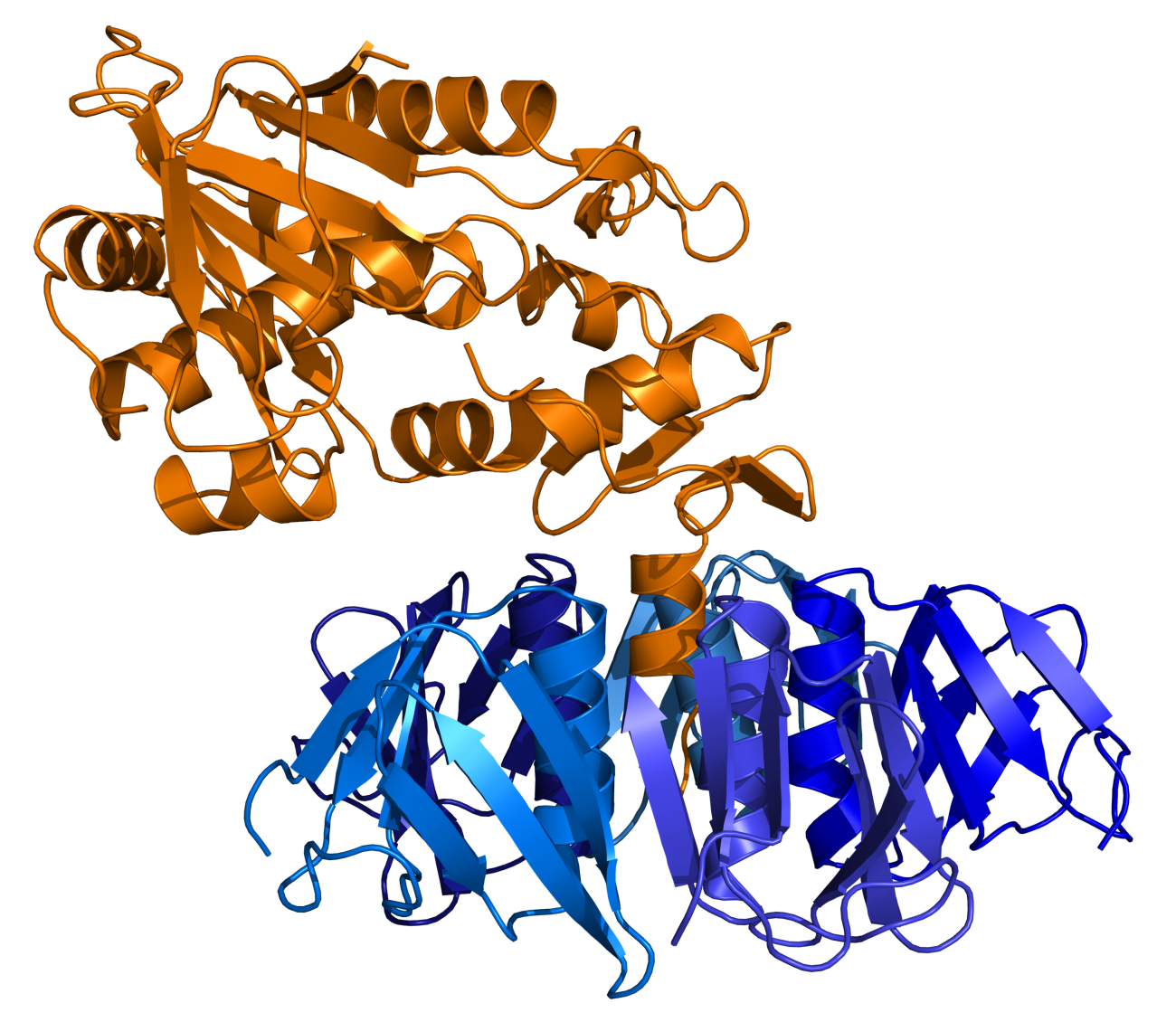
Health Protection Scotland Shiga_toxin_(Stx)_PDB_1r4q

Water-miscible metalworking fluids (MWFs) become colonised by bacteria living in the environment if not maintained properly. The growth of bacteria is often accompanied by a decline in their nutrients and subsequent death leading to the release of toxins (e.g., endotoxin) from some types of bacteria. These toxins are potent hazards causing inflammation within the airways at concentrations as low as nanograms per cubic metre of air.

The risks to respiratory health from exposure to bacterial endotoxins are well established and have been subject to numerous reviews of the evidence. Inhalation of endotoxin has been linked with acute and chronic health effects caused by an inflammatory response within the airways. A recent report published by the Health and Safety Executive (HSE) gives an account of research undertaken to:

  • review the evidence used to develop the health based recommended occupational exposure limit (HBROEL) for endotoxin of 90 endotoxin units per cubic metre (EU/m3) over an 8-hour period proposed by the Health Council for the Netherlands (DECOS); and to assess its relevance as a ‘benchmark’ to assess risks to respiratory health caused by endotoxin in metal working fluid mists;
  • assess whether the published evidence on endotoxin concentration in metal working fluids provides sufficient evidence that concentrations in mist are sufficient to cause harm to human health.

The research concluded that there was a large discrepancy between concentrations of endotoxin and viable bacteria in mist compared to the concentrations in bulk fluid with airborne endotoxin levels generally falling close to or beneath the DECOS recommended level , whilst sump levels generally exceeded these by 100 to 1000 fold. Levels of viable bacteria captured in air were low compared to the levels in the sumps.

The researchers consider that further research is required to determine whether the discrepancy between bulk endotoxin and airborne levels is real or whether this is due to the impact of sampling or analytical methodology. Research Report RR1043 ‘Endotoxin in metalworking fluid (MWF) mist’ can be accessed at http://www.hse.gov.uk/research/rrhtm/rr1043.htm.

A further research report (RR1044: ‘Consultation on monitoring of water-miscible metalworking fluid (MWF) mists’), which examines metal working fluid (MWF) exposure limits and guidance set by other countries, summarises studies and investigations that examined water-miscible MWF mist as well as new techniques to monitor mist, is available at http://www.hse.gov.uk/research/rrhtm/rr1044.htm.
Research – Mycotoxins in Dog Food

Science Direct 260px-YellowLabradorLooking_new

Abstract

The aim of this study was to determine the presence and the level of contamination of the most important mycotoxins (deoxynivalenol, fumonisin B1 and B2, aflatoxin B1, B2, G1 and G2, ochratoxin A and zearalenone) in 48 samples of extruded dry dog food found in the Italian market (24 samples from standard economy lines, 24 of premium lines). Analyses were performed using ultra-performance liquid chromatography coupled to tandem mass spectrometry. Although the concentrations of the mycotoxins in all samples proved to respect the European legislation with regards to animal feed, the analyses revealed a substantial presence of deoxynivalenol, fumonisins and ochratoxin A, with values above the limit of quantification (5 μg/kg) in 100%, 88% and 81% of the samples, respectively. In contrast, aflatoxins and zearalenone contamination proved to be very modest, with 88% and 75% of the samples, respectively, showing concentrations below the corresponding limit of quantification (5 μg/kg for aflatoxins and 10 μg/kg for zearalenone). Moreover, despite a very heterogeneous contamination, the concentration of fumonisins and ochratoxin A was significantly higher in standard foods than in premiumones (491 vs. 80.2 μg/kg dry matter for fumonisin B1; 113 vs. 38.5 μg/kg dry matter for fumonisin B2; 599 vs. 103 μg/kg dry matter for total fumonisins; 23.8 vs. 13.0 μg/kg dry matter for ochratoxin A; P<0.001). Furthermore, a simultaneous presence of different mycotoxins (at concentrations higher than their limit of quantification) was observed in most of the pet foods analyzed; in particular, 19% of the samples were contaminated by no fewer than two different types of mycotoxins, 52% by three, 25% by four and 2% by all the mycotoxins evaluated. These results revealed the need for further investigation into the potential risk deriving from chronic exposure to low doses of the different types of mycotoxins that pet species are subject to today.

Risk of Norovirus Gastroenteritis from Consumption of Vegetables Irrigated with Highly Treated Municipal Wastewater—Evaluation of Methods to Estimate Sewage Quality

Wiley Online Library

Quantitative microbial risk assessment was used to assess the risk of norovirus gastroenteritis associated with consumption of raw vegetables irrigated with highly treated municipal wastewater, using Melbourne, Australia as an example. In the absence of local norovirus concentrations, three methods were developed: (1) published concentrations of norovirus in raw sewage, (2) an epidemiological method using Melbourne prevalence of norovirus, and (3) an adjustment of method 1 to account for prevalence of norovirus. The methods produced highly variable results with estimates of norovirus concentrations in raw sewage ranging from 104 per milliliter to 107 per milliliter and treated effluent from 1 × 10⁻³ per milliliter to 3 per milliliter (95th percentiles). Annual disease burden was very low using method 1, from 4 to 5 log10 disability adjusted life years (DALYs) below the 10−6 threshold (0.005–0.1 illnesses per year). Results of method 2 were higher, with some scenarios exceeding the threshold by up to 2 log10 DALYs (up to 95,000 illnesses per year). Method 3, thought to be most representative of Melbourne conditions, predicted annual disease burdens >2 log10 DALYs lower than the threshold (∼4 additional cases per year). Sensitivity analyses demonstrated that input parameters used to estimate norovirus concentration accounted for much of the model output variability. This model, while constrained by a lack of knowledge of sewage concentrations, used the best available information and sound logic. Results suggest that current wastewater reuse behaviors in Melbourne are unlikely to cause norovirus risks in excess of the annual DALY health target.