Tag Archives: cdc

USA -Puerto Rico – Shigella Outbreak

Shigella Blog Shigella_stool

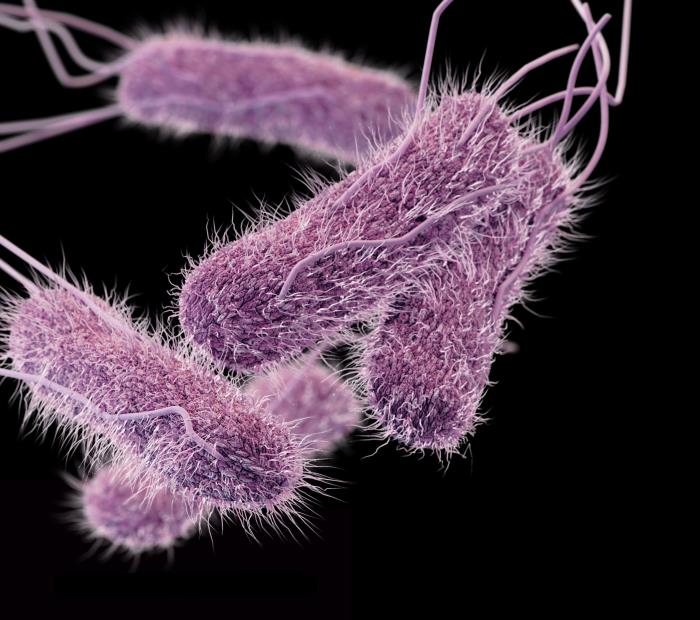
Shigella sonnei has spread via international travelers to 32 states and Puerto Rico, US health officials say.

Between May 2014 and February 2015, a drug-resistant strain of shigella has infected 243 people across the US, according to the US Centers for Disease Control and Prevention (CDC). The CDC’s findings were first published in the agency’s Morbidity and Mortality Weekly Report.

The CDC found that 90 percent of cases of the shigellosis infection analyzed in Massachusetts, California, and Pennsylvania were resistant to ciprofloxacin (Cipro), the top shigellosis antibiotic in the US.

Food Poisoning Journal – All about Shigella

to Shigella

Shigella is a species of enteric bacteria that causes disease in humans and other primates. [16, 20] The disease caused by the ingestion of Shigella bacteria is referred to as shigellosis, which is most typically associated with diarrhea and other gastrointestinal symptoms. [11, 16] “Shigella infection is the third most common cause of bacterial gastroenteritis in the United States, after Campylobacter infection and Salmonella infection and ahead of E. coli O157 infection.” [19]

Research – CDC – Raw Milk Microbiological Outbreaks Increase

CDC imagesCAZ9J1WP

What is this study about?

  • This study reviewed outbreaks caused raw milk–milk that has not been pasteurized to kill disease-causing germs –in the United States that were reported to CDC from 2007-2012.
  • The study analyzed the number of outbreaks, the legal status of raw milk sales in each state, and the number of illnesses, hospitalizations, and deaths associated with these outbreaks.

What did the study show?

The number of outbreaks caused by raw milk has increased.

  • From 2007-2012, 26 states reported 81 outbreaks caused by raw milk to CDC. These outbreaks caused 979 illnesses and 73 hospitalizations.
    • From 2007-2009, 30 outbreaks were linked to raw milk. This increased to 51 outbreaks from 2010-2012.
  • Among outbreaks in which the food causing the outbreak was identified, the percentage caused by raw milk increased from 2% in 2007-2009 to 5% in 2010-2012.
  • Three germs caused most raw milk outbreaks from 2007-2012:
  • The average number of outbreaks caused by raw milk each year was 4 times higher from 2007-2012 than from 1993-2006.


USA – CDC List of Foodborne Outbreaks

CDC E.coli O157

When two or more people get the same illness from the same contaminated food or drink, the event is called a foodborne disease outbreak. The list on this page primarily represents multistate foodborne outbreak investigations since 2006 where CDC was the lead public health agency. For a complete listing of reported outbreaks please use the Foodborne Outbreak Online Database (FOOD) tool.

Public health officials investigate outbreaks to control them, so more people do not get sick, and to learn how to prevent similar outbreaks from happening in the future.

List of Selected Outbreak Investigations, by Year

2014

USA-CDC -Multistate Outbreak of Salmonella Enteritidis Infections Linked to Bean Sprouts

CDC cdc

  • Read the Advice to Consumers and Retailers
  • As of December 15, 2014, a total of 111 people infected with the outbreak strains of Salmonella Enteritidis have been reported from 12 states.
  • Twenty-six percent of ill persons have been hospitalized. No deaths have been reported.
  • Collaborative investigation efforts of state, local, and federal public health and regulatory agencies indicate that bean sprouts produced by Wonton Foods, Inc. are the likely source of this outbreak.
  • In interviews, 48 (66%) of 73 ill persons reported eating bean sprouts or menu items containing bean sprouts in the week before becoming ill.
  • Wonton Foods, Inc. continues to cooperate with state and federal public health and agriculture officials.
  • On November 21, 2014, Wonton Foods Inc. agreed to destroy any remaining products while they conducted a thorough cleaning and sanitization and implemented other Salmonella control measures. On November 24, the firm completed the cleaning and sanitation and resumed production of bean sprouts. The firm resumed shipment on November 29, 2014.
  • Contaminated bean sprouts produced by Wonton Foods, Inc. are likely no longer available for purchase or consumption given the maximum 12-day shelf life of mung bean sprouts.
  • CDC recommends that consumers, restaurants, and other retailers always practice food safety for sprouts
  • Children, older adults, pregnant women, and persons with weakened immune systems should avoid eating raw sprouts of any kind (including alfalfa, clover, radish, and mung bean sprouts).
  • Cook sprouts thoroughly to reduce the risk of illness. Cooking sprouts thoroughly kills any harmful bacteria.
  • CDC’s National Antimicrobial Resistance Monitoring System (NARMS) laboratory conducted antibiotic resistance testing on Salmonella Enteritidis isolates collected from three ill persons infected with the outbreak strains.
  • All three isolates were susceptible to all antibiotics tested on the NARMS panel.
  • This investigation is ongoing, and CDC will update the public when more information becomes available.


USA – CDC Listeria in Caramel Apples Update

CDC

  • CDC is collaborating with public health officials in several states and with the U.S. Food and Drug Administration (FDA) to investigate an outbreak of Listeria monocytogenes infections (listeriosis) linked to commercially produced, prepackaged caramel apples. Listeria can cause a serious, life-threatening illness.
  • The information CDC has at this time indicates that commercially produced, prepackaged caramel apples may be contaminated with Listeria and may be causing this outbreak.
    • Three voluntary recalls of commercially produced, prepackaged caramel apples have been announced by Happy Apples, California Snack Foods, and Merb’s Candies after hearing from Bidart Brothers, an apple supplier, that there may be a connection between Bidart Brothers apples and this listeriosis outbreak.
    • Investigators are continuing to work to identify if any other brands or types of commercially produced, prepackaged caramel apples may be linked to illnesses.
    • CDC continues to recommend that U.S. consumers do not eat any commercially produced, prepackaged caramel apples, including plain caramel apples as well as those containing nuts, sprinkles, chocolate, or other toppings, until more specific guidance can be provided.
    • Although caramel apples are often a fall seasonal product, contaminated commercially produced, prepackaged caramel apples may still be for sale at grocery stores and other retailers nationwide or may be in consumers’ homes.
  • As of December 30, 2014, a total of 32 people infected with the outbreak strains of Listeria monocytogenes have been reported from 11 states.
    • Thirty-one ill people have been hospitalized and six deaths have been reported. Listeriosis contributed to three of these deaths and it is unclear whether it contributed to an additional two deaths. The sixth death was unrelated to listeriosis.
    • Ten illnesses were pregnancy-related (occurred in a pregnant woman or her newborn infant), with one illness resulting in a fetal loss.
    • Three invasive illnesses (meningitis) were among otherwise healthy children aged 5–15 years.
    • To date, 23 (88%) of the 26 ill people interviewed reported eating commercially produced, prepackaged caramel apples before becoming ill.
    • At this time, no illnesses related to this outbreak have been linked to apples that are not caramel-coated and not prepackaged or to caramel candy.
  • The Public Health Agency of Canada (PHAC) has identified 2 cases of listeriosis in Canada with the same PFGE patterns as seen in the US outbreak.
    • PHAC is working with its provincial and territorial partners to determine the source of these illnesses.
  • This investigation is rapidly evolving, and new information will be provided as it becomes available.


Research – CDC – Increased Outbreaks Associated with Nonpasteurized Milk, United States, 2007–2012 – Raw Milk

CDC imagesCAZ9J1WP

The number of US outbreaks caused by nonpasteurized milk increased from 30 during 2007–2009 to 51 during 2010–2012. Most outbreaks were caused by Campylobacter spp. (77%) and by nonpasteurized milk purchased from states in which nonpasteurized milk sale was legal (81%). Regulations to prevent distribution of nonpasteurized milk should be enforced.


USA – CDC Update on Sprout Outbreak – Salmonella

CDC Salmonellaa

  • Read the Advice to Consumers and Retailers
  • As of November 24, 2014, a total of 68 people infected with the outbreak strains of Salmonella Enteritidis have been reported from 10 states.
  • Twenty-six percent of ill persons have been hospitalized. No deaths have been reported.
  • Collaborative investigation efforts of state, local, and federal public health and regulatory agencies indicate that bean sprouts produced by Wonton Foods, Inc. are the likely source of this outbreak.
  • In interviews, 33 (79%) of 42 ill persons reported eating bean sprouts or menu items containing bean sprouts in the week before becoming ill.
  • The information available to date indicates that bean sprouts produced by Wonton Foods, Inc. may be contaminated with Salmonella and are not safe to eat. As of November 21, 2014, the firm has verbally agreed to voluntarily stop the production and sale of their bean sprouts.
  • CDC recommends that restaurants and other retailers do not sell or serve bean sprouts produced by Wonton Foods, Inc. at this time.
  • CDC recommends that consumers do not eat bean sprouts produced by Wonton Foods, Inc. at this time.
  • The firm is cooperating with public health and agriculture officials and has reported that their last shipment of bean sprouts was on November 18, 2014.
  • This ongoing investigation is rapidly evolving, and CDC will update the public when more information becomes available.


Research – CDC Report Antibiotic Resistance

CDC E.coli O157

Antibiotic resistance in foodborne germs, an ongoing public health threat, showed both positive and troubling trends, according to data tracked by the Centers for Disease Control and Prevention in 2012. Each year, antibiotic-resistant infections from foodborne germs cause an estimated 430,000 illnesses in the United States. Multi-drug resistant Salmonella, from food and other sources, causes about 100,000 illnesses in the United States each year.

The most recent data showed that multi-drug resistant Salmonella decreased during the past 10 years and resistance to two important groups of drugs – cephalosporins and fluoroquinolones – remained low in 2012. However, in Salmonella typhi, the germ that causes typhoid fever, resistance to quinolone drugs increased to 68 percent in 2012, raising concerns that one of the common treatments for typhoid fever may not work in many cases.

About 1 in 5 Salmonella Heidelberg infections was resistant to ceftriaxone, a cephalapsorin drug. This is the same Salmonella serotype that has been linked to recent outbreaks associated with poultry. Ceftriaxone resistance is a problem because it makes severe Salmonella infections harder to treat, especially in children.

The data are part of the latest report of the National Antimicrobial Resistance Monitoring System (NARMS), a tri-agency surveillance system that has tracked antibiotic resistance in humans (CDC), retail meats (Food and Drug Administration), and food animals (U.S. Department of Agriculture) since 1996. The report from CDC NARMS compares resistance levels in human samples in 2012 to a baseline period of 2003-2007.

“Our latest data show some progress in reducing resistance among some germs that make people sick but unfortunately we’re also seeing greater resistance in some pathogens, like certain types of Salmonella,” said Robert Tauxe, M.D., M.P.H, deputy director of CDC’s Division of Foodborne, Waterborne, and Environmental Diseases. “Infections with antibiotic-resistant germs are often more severe. These data will help doctors prescribe treatments that work and to help CDC and our public health partners identify and stop outbreaks caused by resistant germs faster and protect people’s health.”

Among the other findings in the 2012 report:

  • Campylobacter resistance to ciprofloxacin remained at 25 percent, despite FDA’s 2005 withdrawal of its approval for the use of enrofloxacin in poultry. Ciprofloxacin and enrofloxacin are both in the fluoroquinolone class of drugs.
  • Shigella resistance to ciprofloxacin (2 percent) and azithromycin (4 percent) is growing. However, no Shigella strains were resistant to both drugs.
  • Although fluoroquinolone resistance remained low in 2012, Salmonella enteritidis – the most common Salmonella type – accounted for 50 percent of infections resistant to the fluoroquinolone drug nalidixic acid, which is used in laboratory testing for resistance. Resistance to nalidixic acid relates to decreased susceptibility to ciprofloxacin, a widely used fluoroquinolone drug. Other work shows that many of the nalidixic acid resistant Salmonella enteritidis infections are acquired during travel abroad.

The report introduces a new method for interpreting Campylobacter data and includes links to online interactive graphs where users can choose an organism and an antibiotic and see the “bug-drug” trends from year-to-year in NARMS.
CDC NARMS monitors antibiotic resistance among clinical isolates of six types of common foodborne germs reported from all 50 states. In 2012, NARMS tested over 5,000 isolates for antibiotic resistance. By comparing results in 2012 with the baseline period of 2003-2007, NARMS provides important information on whether foodborne germs are gaining or losing resistance.

The FY 2015 President’s Budget requests funding for CDC to improve early detection and tracking of multidrug resistant Salmonella and other urgent antibiotic resistance threats. The proposed initiative would increase CDC’s ability to test drug-resistant Salmonella Adobe PDF file by 20 times. With a $30 million annual funding level over 5 years, CDC estimates that it could achieve a 25 percent reduction in multidrug resistant Salmonella infections, as well as significant reductions in other resistant infections.

The full 2012 NARMS report is available on the CDC website at www.cdc.gov/narms/reports/annual-human-isolates-report-2012.html. For more information about NARMS, please visitwww.cdc.gov/narms.

USA – CDC – Vital Signs Virus Report – NoroCORE Website

CDC Norwalk_Caspid

Norovirus often gets attention for outbreaks on cruise ships, but those account for only about 1% of all reported norovirus outbreaks. Norovirus is very contagious, and outbreaks can occur anywhere people gather or food is served. People with norovirus usually vomit and have diarrhea. Some may need to be hospitalized and can even die. Infected people can spread norovirus to others through close contact or by contaminating food and surfaces. Food service workers who have norovirus can contaminate food and make many people sick. In norovirus outbreaks for which investigators reported the source of contamination, 70% are caused by infected food workers.

NoroCORE

The news media has been abuzz these past 24 hours following a new Vital Signs report released by the CDC that focuses on noroviruses, particularly their prevention in the food service industry. Here, we try to break down what this report means and why it is important.

NoroCORE Literature

The NoroCORE team has developed a Food Virology Literature Database consisting of research and review publications related specifically to food borne viruses. The database is comprised of literature spanning from 1992 to the present. Currently, it is complete for publications specifically related to norovirus. Additional publications specific to Hepatitis A & E, astroviruses, etc., will be added as the database is further developed. Meanwhile, it provides access to over 2,000 citations and abstracts specific to the field. The search function is similar to other standard literature databases, allowing you to search by Author, Title, Year, etc. (please note the search function is case and spelling sensitive). The database is powered by RefBase and is available to the public

USA – CDC Update – Multistate Outbreak of Multidrug-Resistant Salmonella Heidelberg Infections Linked to Foster Farms Brand Chicken

CDC cdc

Highlights