
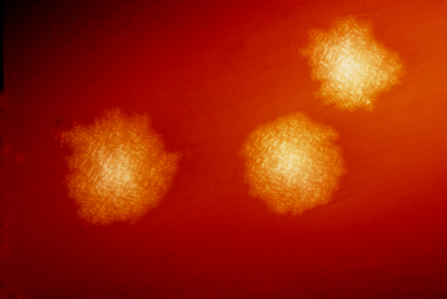
A new report suggests that hospital food is frequently contaminated with the dangerous diarrhea bug Clostridium difficile (C. diff).
Houston researchers found that about one-fourth of nearly 100 hospital food samples they tested were positive for C. diff. Among the worst culprits: turkey, chicken, and egg products, vegetables and fruits, and desserts. Almost all were cooked.
It’s only one hospital. And no cases of human infection were linked to the food.
But together with past research, the findings suggest that contaminated food may be an important route of spread of C. diff in hospitals, says researcher Hoonmo Koo, MD, an infectious diseases specialist at Baylor College of Medicine in Houston, Texas.
Moreover, the temperatures at which hospital foods are cooked may be too low to kill the bug, he says.
An infectious diseases expert not involved with the research says the major C. diff strains that contaminate food are different from the ones responsible for human disease.
C. diff has been recovered from pigs, cows, and chickens, and the bug has been found in retail meat and salad greens. A few studies have found that the C. diff strains found in animals are the same ones causing human disease, but others have found the opposite.
A 2008 CDC study concluded that “although they share similar clinical features, evidence suggests that the predominant strains causing C. diff [disease] in humans and different animal species are distinct.”
Overall, though, surprisingly few studies have examined the possible link between C. diff disease in food, animals, and humans, according to both the CDC and Koo.
So the researchers tested about 2 tablespoons of each food item served over 80 days at a university hospital in Houston. The number that tested positive for C. diff:
- Four of eight (50%) turkey samples
- Four of 12 seafoods (33%)
- Two of 17 beef servings (12%)
- One of eight pork servings (13%)
- Six of 14 chicken and egg products (43%)
- Six of 27 vegetables and fruits (22%)
- None of two grains
- Three of five desserts (60%)

 FoodWorld