FSA probes why Campylobacter action hasn’t decreased cases

FSN

Experts have suggested reasons why a reduction of Campylobacter in chicken meat has not led to a decrease in infections in the United Kingdom.

Ideas include the selected meat contamination target being the wrong one to focus on as well as the role of other sources of infection and imported poultry meat.

Campylobacter is the leading bacterial cause of foodborne illness in the UK. Cases are frequently attributed to chicken. In 2010, the FSA began a Campylobacter reduction program to reduce contamination levels in poultry.

With help from industry, there was a reduction in the proportion of chickens contaminated with Campylobacter at levels above 1,000 colony forming units per gram (CFU/g) at retail from 19 percent in 2014 to 5 percent in 2017; recent data indicates these levels have been maintained. However, human cases have remained stable at around 100 per 100,000 population between 2014 and 2019.

When setting the original target, modelling suggested that introducing interventions at farm and slaughterhouse level could lead to a 15 to 30 percent reduction in human cases. 

FSA is reviewing its Campylobacter campaign to understand why the reduction in prevalence in chicken meat was not associated with a decrease in sick people.

An expert elicitation exercise was run to generate hypotheses that might explain this finding.

Proposed reasons behind situation
Forty-one experts from the UK, Ireland, Denmark, the Netherlands, and France were recruited with experience in either poultry production or Campylobacter research. More experts from academia, followed by government, were represented compared to industry participants.

They individually generated 157 hypotheses, which later became 25 ideas.

As the campylobacteriosis case trends analysis demonstrated, the UK is not the only country to see case numbers remain steady, or increase, despite public health efforts and industry intervention strategies.

Eight suggestions were put forward as likely explanations for campylobacteriosis case numbers not following the trends seen with levels in chickens at retail.

These included the role of imported poultry meat, other food sources, the low infectious dose meaning the 1,000 CFU/g target was not strict enough, sampling the wrong products or areas, or at the wrong times, and a lack of food hygiene in consumer kitchens.

Ranked hypotheses will be considered by FSA scientists and policy colleagues to help focus the agency’s research and explore new strategies to reduce infections in humans.

In 2019, the Advisory Committee for the Microbiological Safety of Food (ACMSF) published a report on the management of Campylobacter, finding no single practical intervention has been shown to be capable of eliminating it. A 2024 report from the FAO and WHO found combining interventions was necessary to significantly impact Campylobacter levels and prevalence in poultry meat.

Spanish food poisoning cases linked to sandwich; one person dead

FSN

More than 40 people have fallen sick in Spain with a type of sandwich served at a restaurant suspected of causing illness.

The Regional Delegation of Health and Consumption of the Andalusian Government confirmed it is investigating 44 cases of food poisoning from the beginning of January.

A woman in her 60s has died but it is unclear if this is related to the food consumed as part of the outbreak.Health officials in Córdoba said the likely cause is E. coli or Clostridium perfringens.

The agency has not made public the name of the outlet where the poisoning started. However, it has carried out an inspection of the premises where contaminated food was served.

Investigations indicate the cause was a pringá sandwich prepared at the site, since this is the only food consumed by all those affected in the outbreak. A pringá sandwich includes meat that has been cooked slowly for a long time with some bread.

New Listeria outbreak reported; 34 people confirmed as patients

FSN

A new Listeria monocytogenes outbreak from an unknown source has been detected by the Food and Drug Administration.

At least 34 patients are confirmed in the outbreak, which was first posted by the FDA on Jan. 15. The agency has begun traceback but has not reported what foods are being traced. The FDA has not reported where the patients live.

Smart shopping during recalls: How consumers can protect themselves

FSN

— OPINION —

Food recalls are often described as safeguards for public health, but in reality, they reveal cracks in our food safety systems. Take the recent deadly Boar’s Head outbreak which involved more than 7 million pounds of ready-to-eat deli meats contaminated with Listeria monocytogenes. While Boar’s Head issued a recall and notified retailers to pull affected products, this action came several weeks after reports of illnesses and fatalities surfaced. Worse, the number of affected products significantly increased after the first recall notice, extending the risk to consumers.

Outbreak strain often not found in E. coli investigations

FSN

Investigations into E. coli outbreaks often fail to find the outbreak strain in food or environmental samples, according to a review.

Scientists used Shiga toxin-producing E. coli (STEC) as a model pathogen to investigate the success of outbreak strain isolation from food or environmental samples during investigations.

The main reasons why the outbreak strain was not isolated were lack of sample availability, complex properties of food products, and methodological issues around laboratory isolation. 

Recall, Italy: DEGUST Cheeses – Muscatis, Pfiffikas & Kaffalat

Salute

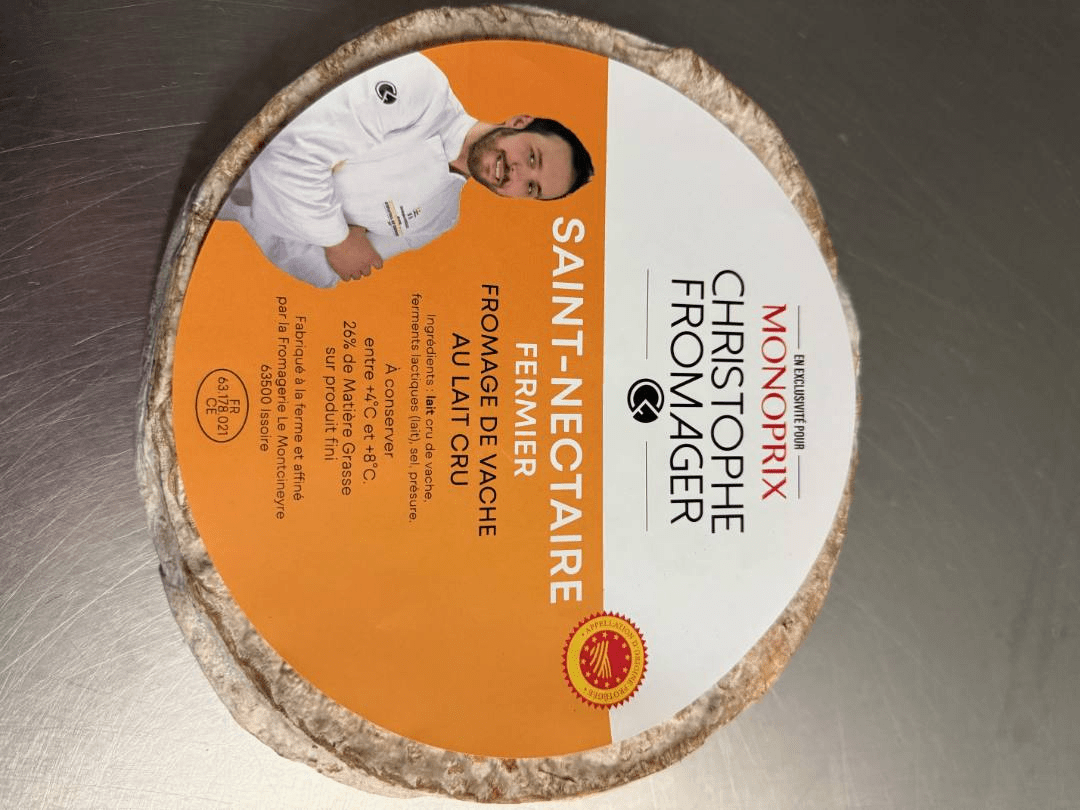
Recall, France: Blackbird Fang Lactic cheese flavoured with raw cow’s milk

Gov France

  • Product CategoryFeeding
  • Product subcategoryMilk and dairy products
  • Product Brand NameBlackbird’s Fang
  • Model names or part numbersFlavoured cheeses
  • Product identificationLotDate30/12/2024Use-by date 10/01/2025
  • Product ListTABLEAU_DESTINATAIRES_PRODUITS_CROC_DU_MERLE.pdfAttachment
  • PackagingSingle sale
  • Start/End of marketing dateOf the 07/01/2025 at 10/01/2025
  • Storage temperatureProduct to be stored in the refrigerator
  • Health markBlackbird’s Fang
  • Additional informationCHEESE
  • Geographical area of saleDepartments: LOIR-ET-CHER (41), LOIRET (45)
  • DistributorsPVC Blois Farm store

Practical information about the recall

  • Reason for the recallLISTERIA
  • Risks to the consumerListeria monocytogenes (agent responsible for listeriosis)
  • Additional description of the riskLISTERIA
  • Conduct to be followed by the consumerStop using
  • Health recommendationsPeople who have consumed the “products” mentioned above and who have a fever, isolated or accompanied by headaches, and body aches, are invited to consult their doctor and report this consumption. Severe forms with neurological complications and maternal or fetal damage in pregnant women can also sometimes occur. Pregnant women as well as immunocompromised people and the elderly should be especially attentive to these symptoms. Listeriosis is a disease that can be serious and has an incubation period of up to eight weeks.
  • Contact number0254875865
  • Compensation arrangementsRepayment

China – Hong Kong investigates flight-related food poisoning cases

FSN

The Centre for Health Protection (CHP) in Hong Kong is investigating reports of food poisoning involving passengers on flights from Nepal.

A total of 36 people have fallen ill on two Cathay Pacific flights from Kathmandu to Hong Kong.

The first cluster of patients developed food poisoning symptoms, including vomiting, nausea, abdominal pain, and fever, about 10 to 30 minutes after having meals served on a flight on Jan. 8.After speaking with people on an exchange trip to Nepal, initial investigations pointed to takeaway chicken, cucumber and tomato sandwiches with salad dressing and French fries eaten about two hours before boarding the flight.

However, the number of affected people increased to 16. Nine were from the same exchange group and the remaining seven do not know each other. Those who were not part of the exchange group had not consumed any common food before boarding.

The second cluster, reported on Jan. 9, includes 14 men and six women aged between 11 and 51 from eight families and groups who do not know each other. 

Thirteen of them sought medical advice upon landing but none required hospitalization. Other than food served on the flight, the CHP’s investigation revealed they had not consumed any common food before getting on the plane.

Europe – Two infected with Listeria from Austrian cheese

FSN

Health officials have issued a warning after two people fell sick with Listeriosis following consumption of soft cheese from Austria.

The Austrian Agency for Health and Food Safety (AGES) said no confirmed cases have yet been reported in Austria. One person in Germany and one person in the Czech Republic fell ill with listeriosis after eating cheese from a Tyrolean manufacturer.

The Federal Ministry of Social Affairs, Health, Care and Consumer Protection (BMSGPK) asked AGES to investigate the Listeria outbreak.

Wilder Käser has initiated a recall of products and informed the public.

USA – Food Safety and Inspection Service reports on Boar’s Head investigation

FSN

The USDA’s Food Safety and Inspection Service (FSIS) has published its report on inspection practices used by the agency in relation to the deadly 2024 Listeria outbreak traced to Boar’s Head deli meats.

“The FSIS review of records and data from the Boar’s Head Jarrett, VA, production plant indicated a pattern of conditions that presented an elevated risk for Listeria monocytogenes contamination,” the FSIS reported.

The Boar’s Head plant in Jarrett, VA, was sampled by FSIS at the highest frequency rate (monthly), yet this sampling did not identify the establishment’s Listeria problem.