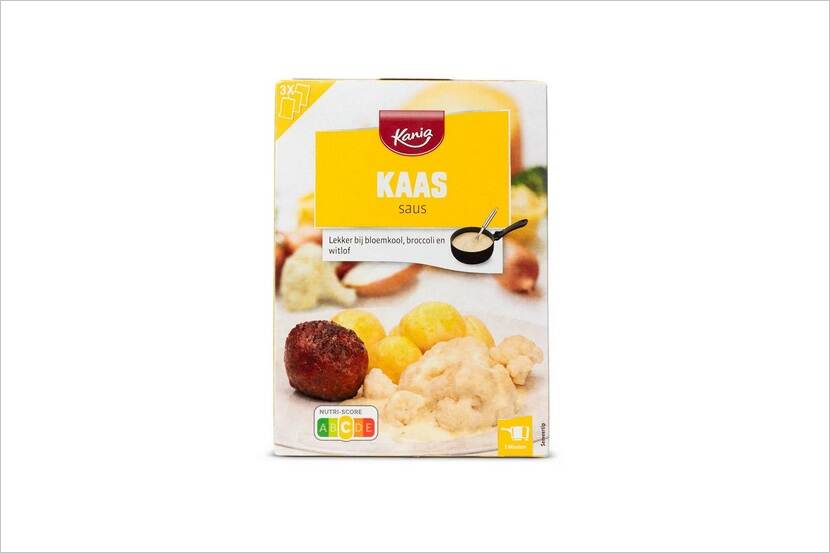
Lidl warns against Kania cheese sauce. The cheese sauce may contain the harmful bacteria Bacillus Cereus. This bacterium can cause food poisoning. Don’t eat the cheese sauce.
In a test conducted as part of the importer’s self-quality control system, in which the bacterium Listeria monocytogenes was found in the product
Product Name: Dumplings Filled with Potato TRY VEDMEDI
Trade Name/ Brand: TRY VEDMEDI Contents: 400 gr
Importer Name: B.B. Mix Market Israel Ltd.
Dealer Name: Latefood Ltd.
Expiration Date: November 08, 2025
Production date: Nov 13, 2024
Barcode: 4820039469533
Consumers who have the product are asked not to consume it.
Listeria monocytogenes is a bacterium that can cause disease in high-risk populations such as: those with weakened immune systems, the elderly, and cause miscarriages in pregnant women. In coordination with the Ministry of Health’s food service, the importer B.B. Mix Market Israel Ltd. collects the product from the marketing channels.
The Icelandic Food and Veterinary Authority has received information about the recall of one batch due to suspicion of salmonella-infected fresh chicken products from Matfugl ehf. The company has recalled the product from the market as a precautionary measure and in consultation with the Icelandic Food and Veterinary Authority issued a press release.
Batch number: 011-25-13-3-68 (whole chicken, breast, tenderloins, thigh meat, chunks, spicy legs and whole poultry), packing date 28.04.2025 – 30.04.2025
Distribution: Bonus stores, Króna stores, Kauptún
Returns can be made in store or to Matfugl ehf. to get a refund. It is very important to heat chicken thoroughly when cooking, as then the meat juices in the thickest piece have become clear and the frying thermometer shows at least 75°C.
Best before dates: from 15/04/2025 to 26/07/2025Packing unit:
400 gramsManufacturer / distributor:
Lustenberger & Dürst SA, Langrüti 1, 6333 Hünenberg See / Switzerland
What is the reason for the report?
Reason for the report:PathogenFurther information:
Listeria was found in quality controls.Possible consequences:
Listeria can have health consequences. In individual cases, flu-like symptoms (fever, headache, nausea) may occur after consumption.
Where was the product on the market?
Affected federal states according to the current status:
Bavaria
Baden-Württemberg
Distribution via:
ALDI Süd stores in parts of Baden-Württemberg and Bavaria
What can I do if I have the product at home?
Recommendation:
Pregnant women, as well as people with a weakened immune system in whom the described symptoms appear, are advised to consult a doctor immediately. Affected product should no longer be consumed.
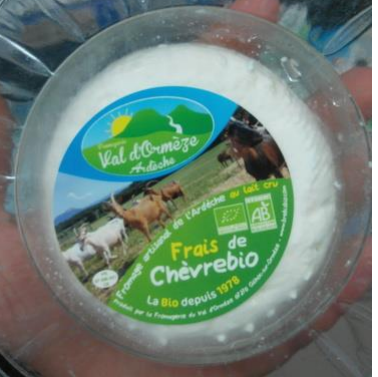
Start/End of marketing dateOf the 16/04/2025 at 29/04/2025
Storage temperatureProduct to be stored in the refrigerator
Health markHealth approval
Geographical area of saleFrance
DistributorsAux plaisirs des mets – 04100, boucherie oh la vache – 51100, delicatessen chez cornand – 42000, boutique Bobosse des halles de Lyon – 69003, crèmerie des batignolles – 75017
Practical information about the recall
Reason for the recallListeria
Risks to the consumerListeria monocytogenes (agent responsible for listeriosis)
Conduct to be followed by the consumerStop using No longer Use the product Destroy the product
Health recommendationsPeople who have consumed the “products” mentioned above and who have a fever, isolated or accompanied by headaches, and body aches, are invited to consult their doctor and report this consumption. Severe forms with neurological complications and maternal or fetal damage in pregnant women can also sometimes occur. Pregnant women as well as immunocompromised people and the elderly should be especially attentive to these symptoms. Listeriosis is a disease that can be serious and has an incubation period of up to eight weeks.
Reason for the recallLISTERIA microbiological contamination
Risks to the consumerListeria monocytogenes (agent responsible for listeriosis)
Additional description of the riskfever headache
Conduct to be followed by the consumerDo not consume any more Return the product to the point of sale Contact the point of sale
Health recommendationsPeople who have consumed the “products” mentioned above and who have a fever, isolated or accompanied by headaches, and body aches, are invited to consult their doctor and report this consumption. Severe forms with neurological complications and maternal or fetal damage in pregnant women can also sometimes occur. Pregnant women as well as immunocompromised people and the elderly should be especially attentive to these symptoms. Listeriosis is a disease that can be serious and has an incubation period of up to eight weeks.
Contact number0478062678
Compensation arrangementsRepayment
End date of the recall procedureMonday, May 19, 2025
Model names or part numbersTop Cooked Pork Roast (8 tr) 360g
Product identificationGTINLotDate3346650211845000011388096Best by date: 25/05/2025
PackagingPackaging in trays in a controlled atmosphere
Start/End of marketing dateOf the 30/04/2025 at 05/05/2025
Storage temperatureProduct to be stored in the refrigerator
Health markEN 35.196.001 EC
Geographical area of saleDepartments: EURE (27), MORBIHAN (56)
DistributorsSupermarket
Practical information about the recall
Reason for the recallRisk of adventitious contamination with Listeria monocytogenes
Risks to the consumerListeria monocytogenes (agent responsible for listeriosis)
Conduct to be followed by the consumerDo not consume again Return the product to the point of sale Destroy the product
Health recommendationsPeople who have consumed the “products” mentioned above and who have a fever, isolated or accompanied by headaches, and body aches, are invited to consult their doctor and report this consumption. Severe forms with neurological complications and maternal or fetal damage in pregnant women can also sometimes occur. Pregnant women as well as immunocompromised people and the elderly should be especially attentive to these symptoms. Listeriosis is a disease that can be serious and has an incubation period of up to eight weeks.
Contact number0763200503
Compensation arrangementsRepayment
End date of the recall procedureMonday, June 9, 2025



 FoodWorld