Category Archives: Uncategorized

USA -The Republic of Tea Issues Voluntary Recall of Organic Turmeric Ginger Green Tea – Salmonella

FDA

The Republic of Tea is dedicated to the health and wellness of each and every citizen (customer). As such, we are issuing a voluntary recall of our Organic Turmeric Ginger Green Tea in response to a possible health risk. There have been no illnesses reported in connection with this voluntary recall. No other teas are impacted by this recall.

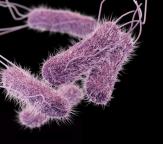
The Republic of Tea was notified by one of our suppliers, of the possibility that one lot of its organic ginger ingredient may be contaminated with Salmonella bacteria. Salmonella is an organism, which can cause serious and sometimes fatal infections in young children, frail or elderly people, and others with weakened immune systems. Healthy persons infected with Salmonella often experience fever, diarrhea, nausea, vomiting and abdominal pain.

The organic ginger supplier reported this finding from another customer. The Republic of Tea and the organic ginger supplier have conducted their own investigations and have tested numerous samples of organic ginger by accredited independent third party laboratories and confirmed the absence of Salmonella.

Despite the fact it was confirmed that there is no Salmonella in the organic ginger that was tested, The Republic of Tea is taking the precautionary measure to recall the following Organic Turmeric Ginger Green Tea:

  • Organic Turmeric Ginger Green Tea – 50 CT Tin
    • UPC: 7-42676-40355-5 – Best Sipped by March 23, 2018
  • Organic Turmeric Ginger – 250 CT Bulk Bag
    • UPC: 7-42676-30655-9 – Best Sipped by March 23, 2018
  • Organic Turmeric Ginger – 250 CT Bulk Bag
    • UPC: 7-42676-30655-9 – Best Sipped by April 13, 2018
  • Organic Turmeric Ginger – 50 CT Refill Bag
    • UPC: 7-42676-42155-9 – Best Sipped by March 23, 2018

Citizens may return Organic Turmeric Ginger Green Tea to The Republic of Tea for a replacement tea, or for a full refund.

“There is absolutely no evidence that our tea has been contaminated. We are taking this preventive, cautious measure because we want our citizens to feel comfortable when drinking our premium quality teas and herbs,” said Todd B. Rubin, Minister of Evolution at The Republic of Tea. “The health and safety of our citizens is our number one priority and we will not take potential health risks lightly. This voluntary recall is the first in our nearly quarter-century history.”

For questions and concerns teasafety@republicoftea.com or call 1-800-298-4832, Monday-Friday between the hours of 8:00am-5:00pm CST.

About The Republic of Tea:
The Republic of Tea enriches people’s lives through its premium teas, education and innovation, as it emphasizes a “Sip by Sip Rather Than Gulp by Gulp” lifestyle. Founded in 1992, The Republic of Tea sparked a specialty tea revolution. Today the brand offers an unequaled selection of the highest-quality teas, herbal blends, books and nature-inspired sip ware, available exclusively at specialty retailers throughout the U.S. Further, The Republic of Tea is mindful of how its actions impact the greater community and actively supports worthy organizations like Action Against Hunger, The Ethical Tea Partnership, The Prostate Cancer Foundation, Xerces Society and The Whole Planet Foundation. Certifications include Demeter USA Certified Biodynamic, Fair Trade certification, Gluten-Free certification, Non-GMO Project verification, OU Kosher certification, Rainforest Alliance certification and USDA Organic certification. For more information, please visit www.REPUBLICofTEA.comdisclaimer icon or call 1-800-298-4832. Follow The Republic of Tea on Twitter at twitter.com/republicofteadisclaimer icon and Like us on Facebook at www.facebook.com/RepublicofTeadisclaimer icon.


Ireland -Precautionary Withdrawal of The Happy Pear Hero Sprouts Due to Possible Presence of Harmful Bacteria

FSAI

As a precaution, The Happy Pear is voluntarily withdrawing the above batch of Hero Sprouts due to the possible presence of pathogenic bacteria. The Hero Sprouts product contains a mix of sprouted alfafa, broccoli, clover and radish seeds.

Further testing is underway and if harmful bacteria are detected, consumers will be informed.

UK -Artisan cheesemaker is banned from ever making cheese again after health inspectors found deadly salmonella, E. coli and listeria in her mozzarella

Mail Online Salmonellaa

An artisan cheesemaker has been banned from ever making cheese again after deadly Salmonella, E.coli and Listeria was found in her mozzarella.

Health inspectors discovered Frances Wood’s dairy in West Cranmore, Somerset, in a filthy state with ‘high-risk’ mouldy cheese laid on dirty racks with taps rusting away.

A judge branded the 70-year-old’s cheese-making operation ‘shoddy’ and ‘amateurish’ after hearing that her products contained Salmonella, E.coli and the Listeria bug – which kills one-third of people infected.


Canada -Canadian researchers describe the first outbreak of Cryptosporidium parasite in Nunavik

McGill University Health Centre 763px-Cryptosporidium_parvum_01

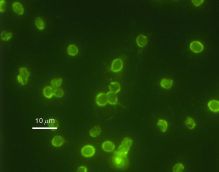
An outbreak of an intestinal parasite common in the tropics, known as Cryptosporidium, has been identified for the first time in the Arctic. The discovery was made in Nunavik, Quebec, by a team from the Research Institute of the McGill University Health Centre (RI-MUHC), in collaboration with the Nunavik Department of Public Health, Institut National de Santé Publique du Québec and Health Canada. The discovery, which was documented in the journal PLoS Neglected Tropical Diseases, could have long-term implications for the health of children in Nunavik and Nunavut’s communities.

Reasearch – Listeria -The Continuous Challenge of Characterizing the Foodborne Pathogen Listeria monocytogenes -Ongoing outbreak of invasive listeriosis due to serotype 1/2a Listeria monocytogenes, Ancona province, Italy, January 2015 to February 2016

Mary Ann Leibert

Listeria monocytogenes is an important foodborne pathogen commonly isolated from food processing environments and food products. This organism can multiply at refrigeration temperatures, form biofilms on different materials and under various conditions, resist a range of environmental stresses, and contaminate food products by cross-contamination. L. monocytogenes is recognized as the causative agent of listeriosis, a serious disease that affects mainly individuals from high-risk groups, such as pregnant women, newborns, the elderly, and immunocompromised individuals. Listeriosis can be considered a disease that has emerged along with changing eating habits and large-scale industrial food processing. This disease causes losses of billions of dollars every year with recalls of contaminated foods and patient medical treatment expenses. In addition to the immune status of the host and the infecting dose, the virulence potential of each strain is crucial for the development of disease symptoms. While many isolates are naturally virulent, other isolates are avirulent and unable to cause disease; this may vary according to the presence of molecular determinants associated with virulence. In the last decade, the characterization of genetic profiles through the use of molecular methods has helped track and demonstrate the genetic diversity among L. monocytogenes isolates obtained from various sources. The purposes of this review were to summarize the main methods used for isolation, identification, and typing of L. monocytogenes and also describe its most relevant virulence characteristics.

Eurosurveillance

In the first seven weeks of 2016, five serotype 1/2a Listeria monocytogenes isolates were collected from patients with invasive listeriosis in Ancona province in Italy. These strains and six 1/2a isolates identified in 2015 in the same area were typed by ERIC-PCR and PFGE. A clonal relationship, documented between the two sets of isolates, suggested a listeriosis outbreak in Ancona that started most probably in 2015. Investigation into the source of infection is still ongoing.


In the first seven weeks of 2016, six cases of invasive listeriosis were recorded in Ancona province, Italy. Five strains of Listeria monocytogenes serotype 1/2a were isolated and typed by enterobacterial repetitive intergenic consensus (ERIC)-PCR and PFGE, indicating clonality. In addition, seven serotype 1/2a L. monocytogenes strains from cases of invasive listeriosis recorded in the same area in 2015 were also typed and showed relatedness. Here we provide details of the ongoing outbreak.

Research – WHO – Salmonellosis – United States of America – Small Turtles

WHO 800px-Florida_Box_Turtle_Digon3_re-edited

On 20 April 2016, the National IHR Focal Point of the United States of America notified PAHO/WHO of an ongoing investigation of four multistate outbreaks of human Salmonella infections linked to exposure to small turtles (with shell length <4 inches/10 centimetres) or their environments (e.g., water from a turtle habitat) in the United States.

A total of 124 cases with the outbreak strains of Salmonella have been reported from 22 U.S. states. Of these, 33% of patients have been hospitalized, and no deaths have been reported. Of the total, 51 cases (41%) were aged less than 5 years. The earliest illness associated with the four outbreaks began on 1 January 2015. Initial investigations have identified four turtle farms in Louisiana as potential sources of the turtles linked to these 2015 outbreaks. Pond water testing from the four farms resulted in the identification of additional non-outbreak Salmonella isolates.

Public health response

The U.S. Centers for Disease Control and Prevention (CDC) is investigating these outbreaks and the identified turtle farms which may have exported turtles with Salmonella internationally. Results of the epidemiologic, laboratory and environmental investigations indicate exposure to turtles or their environments (e.g., water from a turtle habitat) as the sources of these outbreaks.

WHO risk assessment

Despite the sale and distribution of small turtles in the United States has been banned since 1975, Salmonella outbreaks linked to pet turtles have been recorded in the United States. Turtles are a known cause of human Salmonella infections in the United States, particularly in infants and young children – in this outbreak most illnesses are infants and young children.

Since the infection is linked to exposure to small turtles that have been exported internationally, there is a risk to paediatric populations in other countries. The risk of morbidity and mortality is higher in patients with severe immunosuppression. PAHO/WHO continues to monitor the epidemiological situation and conduct risk assessment based on the latest available information.

WHO advice

Countries that import reptile or amphibian pets, including small turtles, should pay attention to potential imports of infected pets and potential outbreaks of salmonellosis in local turtle populations, and inform local health authorities to consider exposure to small turtles and other reptile or amphibian pets when investigating cases of salmonellosis, especially in the paediatric population.

USA -Season’s Choice Prince Edward Medley Recalled for Listeria monocytogenes

Food Poisoning Bulletin

The FDA’s Weekly Enforcement Report for April 27, 2016 lists a recall for Season’s Choice Prince Edward Medley in 16 ounce bags for possible Listeria monocytogenes. This product is distributed by Aldi Inc. of Batavia, Illinois. The product is from Netherlands.

The recall notice states that a limited number of the product tested positive for Listeria monocytogenes bacteria. We did a Google search and found that this product is a frozen blend of green beans, wax beans, and carrots. According to the FDA, 47,562 bags are being recalled.

The code on this product is Best Before: Jun 28 2017 Lot 152212. It was sold in Illinois, apparently at Aldi stores. The recalling firm is Camericam International of Teaneck, New Jersey.

If you purchased this product, do not eat it. Throw it away in a sealed or double bagged container so other people and animals can’t eat it, or return it to the place of purchase for a refund.


USA -Kopobbi Whole Milk Ricotta Recalled for Listeria monocytogenes

Food Poisoning Bulletin

The FDA’s Weekly Enforcement Report for April 27, 2016 lists the recall of a whole milk ricotta cheese for possible Listeria monocytogenes contamination. The product is 47 tubs of 33 Kopobbi A Whole Milk Cheese, Ricotta, Net Weight 17.14 pounds.

The Massachusetts Department of Public Health sampled the product and found that it was positive for Listeria. The product has a sell by date of 03/16/16, with lot number 16-26-02. This cheese was sold in New York, Massachusetts, and Pennsylvania.

The recalling firm is Delicious Food Distributors of Richmond Hill, New York. If you purchased this cheese, do not eat it. Throw it away or return it to the place of purchase for a refund. Then clean out your refrigerator with a mild bleach solution to kill any remaining bacteria, since Listeria can grow at refrigerator temperatures.

RASFF Alerts – Aflatoxin -Peanuts – Pistachios -Chilli Powder – Groundnuts – Dried Figs -Red Chilli

RASFFa

RASFF-aflatoxins (B1 = 4.3; Tot. = 5 µg/kg – ppb) in shelled peanuts from the United States in Bulgaria

RASFF-aflatoxins (B1 = 55; Tot. = 57 / B1 = 14.8; Tot. = 16.4 µg/kg – ppb) in pistachio kernels from Iran in Belgium

RASFF-aflatoxins (B1 = 35.5; Tot. = 37.5 µg/kg – ppb) and ochratoxin A (32.2 µg/kg – ppb) in pure chilli powder from Bangladesh in Cyprus

RASFF-aflatoxins (B1 = 11.5; Tot. = 12.8 µg/kg – ppb) in groundnuts in kernel from South Africa in Belgium

RASFF-aflatoxins (Tot. = 10 µg/kg – ppb) in dried figs from Turkey

RASFF-aflatoxins (B1 = 152.8; Tot. = 297.2 µg/kg – ppb) in roasted groundnuts from the United States in Germany

RASFF-aflatoxins (B1 = 46,4; Tot. = 50,0 / B1 = 127; Tot. = 142 142 / B1 = 40; Tot. = 42 / B1 = 116; Tot. = 126 µg/kg – ppb) in pistachio nuts in shell from Iran in Belgium

RASFF-aflatoxins (B1 = 20.9; Tot. = 21.8 µg/kg – ppb) in crushed red chilli from Pakistan in Cyprus

RASFF-aflatoxins (B1 = 30; Tot. = 32 µg/kg – ppb) in pistachio nuts from the Netherlands in the Netherlands

RASFF Alerts – Moulds -Dried Ginger Root

RASFFa

RASFF-dried ginger root from Nigeria infested with moulds (13.4; 13.5 %) in Poland