Category Archives: Uncategorized

RASFF Alert – Listeria monocytogenes -Smoked Salmon

RASFFa

RASFF – Listeria (1300, 1300, 1300, 1400, 1200 CFU/g) in chilled vacuum-packed sliced smoked salmon from Lithuania in Italy

RASFF Alerts – Ochratoxin -Rye Flour – Brown Basmati Rice

RASFFa

RASFF – ochratoxin A (94.8 µg/kg – ppb) in welled rye flour from Germany in Germany

RASFF -ochratoxin A (22 µg/kg – ppb) in brown basmati rice from India in the Netherlands

RASFF Alert- Foodborne Outbreak – Mussels

RASFFa

RASFF -foodborne outbreak suspected to be caused by frozen whole cooked mussels from Ireland in France

RASFF Alert – Moulds -Greek Yoghurt with Honey

RASFFa

RASFF – Greek yoghurt with honey from Germany infested with moulds in Germany

RASFF Alerts – Salmonella -Dumplings with Poultry Meat – Turkey – Chilli Powder – Salami

RASFFa

RASFF -Salmonella enteritidis (presence /25g) in frozen dumplings with poultry meat from Latvia in Lithuania

RASFF– Salmonella typhimurium (presence /25g) in chilled turkey neck from France in the Netherlands

RASFF -Salmonella (in 1 out of 5 samples /25g) in frozen turkey wings from Poland in Poland

RASFF – Salmonella (presence /25g) in chilli powder from India in the UK

RASFF –Salmonella (presence /25g) in salami from Italy in Sweden


RASFF Alerts -Animal Feed – Salmonella

RASFFa

RASFF – Salmonella anatum (presence /25g) in dried trips from India in Germany

RASFF – Salmonella (presence /25g) in processed animal protein category 3 from Poland in Italy


Research -Antibiotic resistance can occur naturally in soil bacteria

Science Daily

U.S. Department of Agriculture (USDA) scientists have found antibiotic-resistant bacteria in prairie soils that had little or no exposure to human or animal activity.

Antibiotics have effectively treated bacterial diseases for years, but some bacteria have developed resistance to the antibiotics that once killed them.

Agricultural Research Service (ARS) researchers are investigating agriculture-related antibiotic resistance and developing solutions to address food safety, animal production and protection, and the environment. Part of their efforts involves looking at antibiotic resistance in soils.

Microbiologist Lisa Durso and her colleagues at the ARS Agroecosystem Management Research Unit in Lincoln, Nebraska, recently demonstrated that ungrazed prairie soils have measurable amounts of bacteria with antibiotic resistance.

Research – Toxins from food mold weaken airways’ defenses to cause more damage

Science Daily Pistachios_th

Toxins from mold found growing on nuts or corn can weaken the airways’ self-clearing mechanisms and immunity, opening the door for respiratory diseases and exacerbating existing ones, suggests a study in Nature Scientific Reports published this month from otolaryngology researchers at the Perelman School of Medicine at the University of Pennsylvania.

Poisonous and cancer-causing, aflatoxins are a type of mycotoxins produced by certain fungi (Aspergillus flavus, for example) growing on and in certain foods. Overall, 25 percent of the world’s food crops are contaminated with these molds, though exposure often occurs via contaminated dust inhaled during food processing. They are known to cause allergic fungal rhinosinusitis and bronchopulmonary aspergillosis, two infections that can be treated with antifungal medications and surgery, if needed. However, the downstream effects of aflatoxins on the airway passage is less studied and understood.

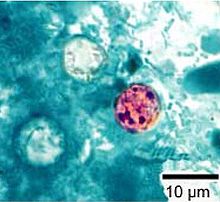
Research -FDA Notes Decline in Cyclospora Cases

Food Poisoning Bulletin 220px-Cyclospora_cayetanensis_stained

The FDA has released information about the decline of Cyclospora cases in the U.S. when compared to 2015, 2014, and 2013. FDA activities, including import alerts and testing of imported products, have contributed to that decline.

India -Salmonella found in seafood

The Hindu fish

Salmonella, the pathogen responsible for food poisoning, has been identified in seafood samples collected from local fish markets.

A survey carried out by the a team of scientists of the Microbiology, Fermentation and Biotechnology Division of Central Institute of Fisheries Technology (CIFT) Kochi, found the presence of the pathogen in 29 per cent of the samples.