Category Archives: Uncategorized

RASFF Alerts – Salmonella – Sesame Seeds – Chicken – Eggs – Basil – Neem Leaf – Sesame Paste – Spiced Turkey – Pork Trimmings – Sausage Roll

kswfoodworld rasff

RASFF – Salmonella enterica ser. Stanley (presence /25g), Salmonella enterica subsp. houtenae (VI) (presence /25g) and Salmonella enterica subsp. salamae (II) (presence /25g) in sesame seeds from Burkina Faso, via Ghana in Greece

RASFF-Salmonella (presence /25g) in frozen salted chicken breasts from Brazil in the Netherlands

RASFF-Salmonella enterica ser. Enteritidis in fresh eggs from Poland in Slovakia

RASFF-Salmonella enterica ser. Goverdhan (presence /25g) in chilled basil from Thailand in Germany

RASFF-Salmonella enterica ser. Hvittingfoss (presence /25g) in neem leaf and plant (Azadirachta indica) from Thailand in Finland

RASFF-Salmonella (11:z41:e,n,z15 /25g) in sesame paste from Greece in Germany

RASFF-Salmonella (presence /25g) in frozen salted chicken breast from Brazil in the Netherlands

RASFF-Salmonella (presence /25g) in frozen spiced turkey medallions from Brazil in the Netherlands

RASFF-Salmonella enterica ser. Enteritidis (in 3 out of 5 samples /25g) in frozen non-salted chicken breasts from Thailand in Germany

RASFF-Salmonella (presence /25g) in frozen salted chicken half breasts from Brazil, via the Netherlands in the Czech Republic

RASFF-Salmonella enterica ser. Bama (presence /25g) in sesame seeds from Sudan in Greece

RASFF-Salmonella (presence /25g) in frozen salted chicken breast fillets from Thailand in Germany

RASFF-Salmonella enterica ser. Typhimurium (presence /25g) in frozen pork trimmings from Germany in Estonia

RASFF-Salmonella (presence /25g) in frozen marinated chicken breast fillets from Brazil in the UK

RASFF-Salmonella enterica ser. Maastricht (presence /25g) in sesame seeds from Sudan in Greece

RASFF-Salmonella enterica ser. Enteritidis (present /25g) in frozen chicken breast (Gallus gallus) from Brazil in Spain

RASFF-Salmonella (presence /10g) in sausage roll from the Netherlands in the Netherlands

RASFF Alerts – Animal Feed – Aflatoxin – Birdfood

kswfoodworld rasff

RASFF – aflatoxins (B1 = 81.2 µg/kg – ppb) in peanut kernels for birdfeed from India in the UK

RASFF-aflatoxins (B1 = 133 µg/kg – ppb) in groundnut kernels for birdfeed from India in the UK

RASFF Alerts – Animal Feed – Salmonella – Dog Food – Organic Sunflower Cake – Sesame Expeller – Rape Seed Meal

kswfoodworld rasff

RASFF – Salmonella enterica ser. Derby (presence /50g) in frozen dog food from the Netherlands in Italy

RASFF-Salmonella enterica ser. Moero (28:b:1.5 /25g) in organic sunflower cake from Italy in Austria

RASFF-Salmonella enterica ser. Lexington (presence /25g) in sesame expeller from the Netherlands in Austria

RASFF-Salmonella enterica ser. Tennessee (presence /25g) in rape seed meal from Germany in Finland

Research – Innovation introduction to reduce Campylobacter contamination

Meatinfo.co.uk

Air Products has introduced a new rapid chilling system, designed to further decrease the contamination of campylobacter for poultry processors.  … Visit http://www.meatinfo.co.uk today for more information!

Research – Utility of Combining Whole Genome Sequencing with Traditional Investigational Methods To Solve Foodborne Outbreaks of Salmonella Infections Associated with Chicken: A New Tool for Tackling This Challenging Food Vehicle.

Pub Med

16875_lores

CDC Photo


High consumption rates and a multitude of brands make multistate foodborne outbreaks of Salmonella infections associated with chicken challenging to investigate, but whole genome sequencing is a powerful tool that can be used to assist investigators. Whole genome sequencing of pathogens isolated from clinical, environmental, and food samples is increasingly being used in multistate foodborne outbreak investigations to determine with unprecedented resolution how closely related these isolates are to one another genetically. In 2014, federal and state health officials investigated an outbreak of 146 Salmonella Heidelberg infections in 24 states. A follow-up analysis was conducted after the conclusion of the investigation in which 27 clinical and 24 food isolates from the outbreak underwent whole genome sequencing. These isolates formed seven clades, the largest of which contained clinical isolates from a subcluster of case patients who attended a catered party. One isolate from a chicken processed by a large producer was closely related genetically (zero to three single-nucleotide polymorphism differences) to the clinical isolates from these subcluster case patients. Chicken from this large producer was also present in the kitchen of the caterer on the day before the event, thus providing additional evidence that the chicken from this producer was the outbreak source. This investigation highlights how whole genome sequencing can be used with epidemiologic and traceback evidence to identify chicken sources of foodborne outbreaks.

Information – USDA – Food Safety Flashes

food%20safety%20resources%20banner-blue-940.pngUSDA

A Flash of Food Safety is an educational video series designed to help busy school nutrition professionals understand and practically apply safe food practices. The videos, available in English and Spanish, address five food safety topics: Handwashing: Why to Wash Your Hands, Handwashing: How to Wash Your Hands, Calibrating a Thermometer: Ice Water Method, Calibrating a Thermometer: Boiling Water Method, and Active Cooling with a Chill Stick.

Each “flash” video is 2-4 minutes long – perfect for onsite training! Employees can earn 15 minutes (1/4 hour) of continuing education for Professional Standards when they watch all five videos in the series.

Hong Kong – Ciguatoxin food poisoning case investigated

Outbreak News Today

The Hong Kong Centre for Health Protection (CHP) of the Department of Health announced Apr.1 they are investigating a suspected ciguatoxin food poisoning case.

The affected 55-year-old man developed tongue and oral numbness, and limb weakness two hours after consuming fish head and alcoholic drink at lunch at home Mar. 31. The patient attended the Accident and Emergency Department of Alice Ho Miu Ling Nethersole Hospital yesterday and was found to have hypotension and bradycardia. He was admitted for management on the same day. The patient has been in stable condition.

Center for Food Safety

Ciguatera fish poisoning is reported in Hong Kong from time to time, so what is ciguatoxin? What are the principal symptoms of ciguatoxin poisoning? How to prevent ciguatoxin poisoning?

Ciguatoxin originates from a toxic marine microorganism, dinoflagellate, which lives on dead coral reef and algae. In fact, coral reef fish is not toxic, but fish eating the algae accumulates the ciguatoxins, and the effect is magnified through the food chain so that larger predatory fish is more toxic. Ciguatoxin usually accumulates in the head, skin, viscera and roe of the fish. Ciguatoxin does not cause any harm to the coral reef fish. Hence, ciguatoxic fish cannot be identified by its appearance, odour or texture. As the toxin is highly stable, it cannot be destroyed by cooking, refrigeration, drying and digestion.

People affected may show symptoms of mouth and limbs numbness, vomiting, diarrhoea, nausea, abdominal pain and pain of the joints and muscles. If excessive toxin was consumed, the circulatory and nervous systems would be affected.

According to past records of ciguatera fish poisoning cases reported in Hong Kong, fish species which are more likely to contain ciguatoxins include Moray Eel, Potato Grouper, Speckled Blue Grouper, Tiger Grouper, High Fin Grouper, Hump Head Wrasse, Areolated Coral Grouper, Black Saddled Coral Grouper, Lyretail, Black Fin Red Snapper, Flowery Grouper and Leopard Coral Grouper.

To prevent ciguatera fish poisoning, members of the public should observe the following measures:

Purchase

  • Buy coral reef fish from reputable and licensed seafood shops. Do not buy the fish if in doubt.

Consumption

  • Consume less coral reef fish, especially marine fish over three catties.
  • Consume small amount of coral reef fish at any one meal and avoid having a “whole fish feast” in which all the dishes come from the same big coral reef fish.
  • Avoid eating the head, viscera, skin, and roe of coral reef fish which usually have higher concentration of toxin.
  • When eating coral reef fish, avoid consuming alcohol, peanuts or beans as they may aggravate ciguatera poisoning.
  • Members of the public suffered from ciguatoxin poisoning should refrain from coral reef fish. The intoxication would sensitize the patients and they will suffer from ciguatoxin poisoning even if they are exposed to a lower concentration of toxin.
  • Seek medical treatment immediately when symptoms of ciguatera fish poisoning appear. The unfinished fish should be brought to FEHD for testing.

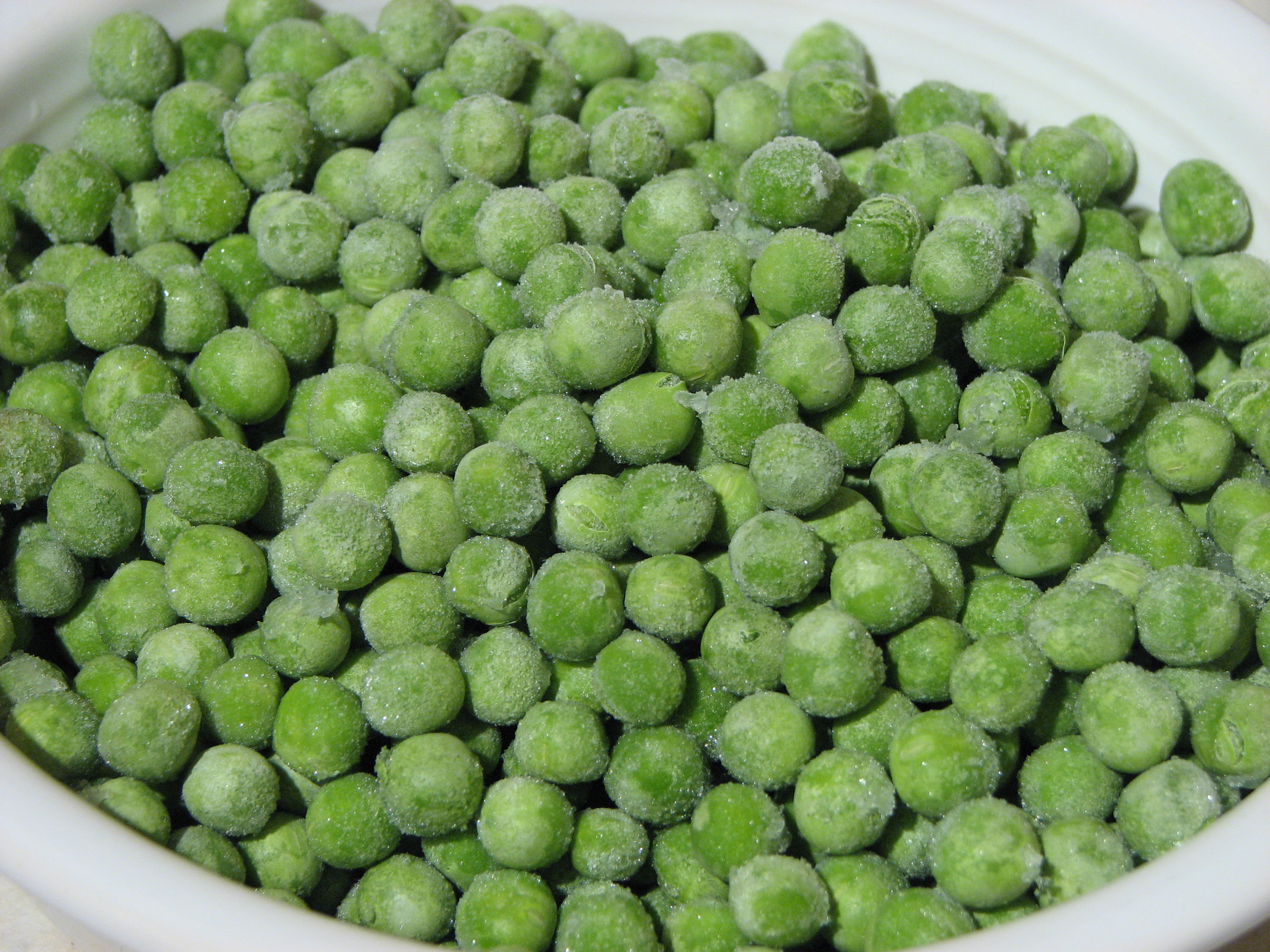
USA – In Association with Lakeside Foods, Inc., ALDI Voluntarily Recalls Season’s Choice Frozen Sweet Peas

FDA


In cooperation with Lakeside Foods, Inc., and out of an abundance of caution, ALDI has voluntarily recalled Season’s Choice Frozen Sweet Peas due to possible Listeria monocytogenes contamination.

Upon notification from the supplier, ALDI immediately removed the affected product from its stores.

The potentially affected product is packaged in a 16 oz. bag, has the UPC code 041498164294 and contains one of the following packaging codes and best by dates on the back of the bag:

Packaging Codes Best By Date
DC17038 PLAB6176 08/2018
DC27038 PLAB6176 08/2018
DC27038 BNAF7286 08/2018
DC37038 BNAF7286 08/2018
DC47038 PLAC6216 08/2018
DC57038 PLAC6216 08/2018

The Season’s Choice Frozen Sweet Peas were sold at ALDI locations in the following states:

  • Florida
  • Illinois
  • Iowa
  • Kentucky
  • Michigan
  • Ohio
  • West Virginia

To date, no illnesses related to this product have been reported, and no other ALDI products are affected by this recall.

Canada – Updated Food Recall Warning – Wholesome Farms brand Strawberry Sundae Cup recalled due to Listeria monocytogenes

CFIA

Ottawa, April 4, 2017 – The food recall warning issued on March 31, 2017 has been updated to include additional product information. This additional information was identified during the Canadian Food Inspection Agency’s (CFIA) food safety investigation.

Central Smith Creamery is recalling Wholesome Farms brand Strawberry Sundae Cup from the marketplace due to possible Listeria monocytogenes contamination. Consumers should not consume the recalled product described below. Food service institutions, such as hospitals and nursing homes, should not serve or use the recalled product described below.

Recalled products

Brand Name Common Name Size Code(s) on Product UPC
Wholesome Farms Strawberry Sundae Cup 115 ml 03204 None
Wholesome Farms Strawberry Ice Cream Sundae Cup (case) 48 x 115 ml 7382200018032042
2/1/17
00074865915038

Canada – Updated Food Recall Warning – Robin Hood brand All Purpose Flour, Original recalled due to E. coli O121

CFIA

Ottawa, April 4, 2017 – The food recall warning issued on March 28, 2017 has been updated to include additional distribution information. This additional information was identified during the Canadian Food Inspection Agency’s (CFIA) food safety investigation.

Smucker Foods of Canada Corp. is recalling Robin Hood brand All Purpose Flour, Original from the marketplace due to possible E. coli O121 contamination. Consumers should not consume the recalled product described below.

Recalled products

Brand Name Common Name Size Code(s) on Product UPC
Robin Hood All Purpose Flour, Original 10 kg Lot codes containing BB/MA 2018 AL 17 and 6 291 548 0 59000 01652 8