Category Archives: Uncategorized

Research – A Scoping Review of the Role of Wildlife in the Transmission of Bacterial Pathogens and Antimicrobial Resistance to the Food Chain

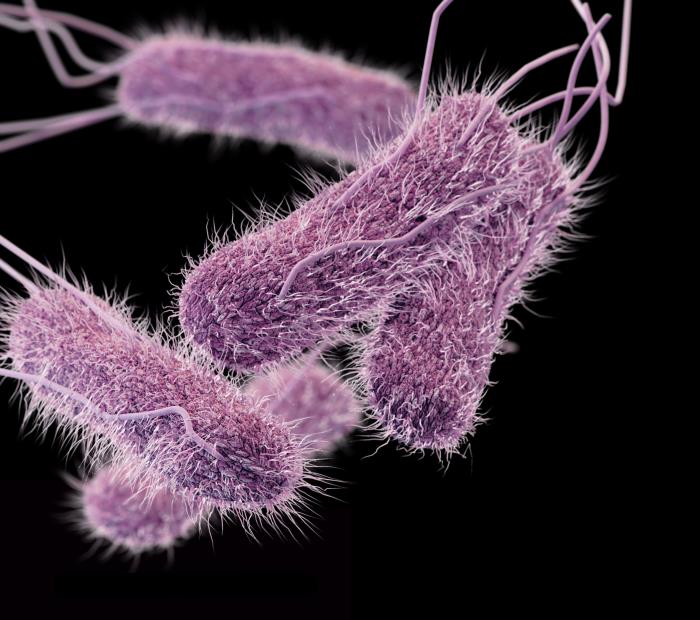
Wiley Online Library Salmonellaa

Wildlife can contribute to environmental contamination with bacterial pathogens and their transfer to the human food chain. Global usage and frequent misuse of antimicrobials contribute to emergence of new antimicrobial resistant (AMR) strains of foodborne pathogens. We conducted a scoping review of published research to identify and characterize the evidence on wildlife’s role in transmission of AMR and/or bacterial pathogens to the food chain. An advisory group (AG) of 13 North American experts from diverse disciplines was surveyed to solicit insight in the review scope, priority topics and research characteristics. A pre-tested search strategy was implemented in seven bibliographic databases (1990 to January 2013). Citations were relevance screened, and key characteristics on priority topics extracted independently by two reviewers. Analysis identified topic areas with solid evidence and main knowledge gaps. North America reported 30% of 866 relevant articles. The prevalence of five targeted bacterial pathogens and/or AMR in any pathogen in wildlife was reported in 582 articles. Transmission risk factors for selected bacteria or AMR in any bacteria were reported in 300. Interventions to control transmission were discussed in 124 articles and formally evaluated in 50. The majority of primary research investigated birds, cervids, rodents, feral pigs, opossums, E. coli (n = 329), Salmonella (n = 293) and Campylobacter (n = 124). An association between wildlife and transmission of bacterial pathogens and/or AMR to the food chain was supported in 122 studies. The scoping review identified a significant body of research on the role of wild birds in the prevalence and transmission of E. coli, Salmonella and Campylobacter. There was little research employing molecular methods contributing to the evidence concerning the importance and direction of transmission of wildlife/pathogen combinations. Given the advancements of these methods, future research should focus in this area to help prioritize future intervention studies and risk mitigation strategies.

Ireland – Concern Over Shellfish Safety Controls

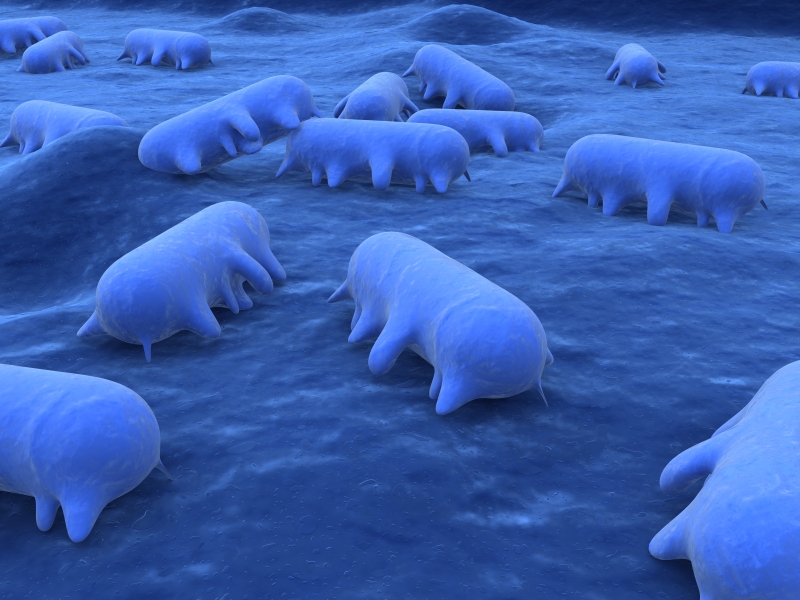
The Irish Times Vibrio

A “significant” number of recommendations involving shellfish food safety controls still have not been fully addressed, more than two years after they were made, a new audit by the European Commission’s Food and Veterinary Office has found.

The latest audit on some Irish-produced shellfish, carried out last October, found that the control system in place for the production and placing on the market of bivalve molluscs, which includes blue mussels, pacific oysters, king scallops and razor clams, presented “several deficiencies”.


USA – Kitchen Salmonella Outbreak

Food Poisoning Bulletin Salmonella

A Salmonella outbreak at Esencia Urban Kitchen in Chicago has sickened as least five people who ate at the restaurant, health authorities told Food Poisoning Bulletin today. Those who became ill reported eating at the restaurant on August 13 and August 14.

USA – FDA – Recalls – Cheese – Illness – Pesto – Listeria monocytogenes

FDA FDA

Kraft Foods Group is voluntarily recalling 7,691 cases of select varieties of regular Kraft American Singles Pasteurized Prepared Cheese Product. A supplier did not store an ingredient used in this product in accordance with Kraft’s temperature standards. While unlikely, this could create conditions that could lead to premature spoilage and/or food borne illness; therefore, the company is issuing the recall as a precaution. Kraft has had no consumer illness complaints for this product associated with this recall. The affected product is limited to four varieties with “Best When Used By” dates of February 20, 2015, and February 21, 2015.

FDA

Tjs Place of Kirkland Washington is voluntarily recalling approx. 20 containers of Basil Pesto Pasta packed in 8 oz plastic tubs because it has the potential to be contaminated with Listeria monocytogenes, an organism which can cause serious and sometimes fatal infections in young children, frail or elderly people, and others with weakened immune systems. Although healthy individuals may suffer only short-term symptoms such as high fever, severe headache, stiffness, nausea, abdominal pain and diarrhea, listeria infection can cause miscarriages and stillbirths among pregnant women.

The recalled Basil Pesto Pasta was sold between the dates 8/18/14 and 8/21/14. The Basil Pesto Pasta affected by this recall has a sticker on the side of the container with either of the following codes: 0825, 0826, 0827, 0828

The firm is not aware of any reported illnesses to date


USA – Cryptosporidium and Campylobacter Raw Milk

Food Poisoning Bulletin imagesCAZ9J1WP

Outbreaks of Campylobacter infection in Utah have been linked to raw milk consumption 14 times in the past five years, sickening more than 200 people. The largest of those outbreaks began in May of this year and was announced one week ago when the Utah Deparment of Agriculture and Food announced that it had suspended the Raw Milk for Retail distribution permit held by Ogden’s Ropelato Dairy. As of August 26, state health officials had traced 45 illnesses to the Weber County raw milk operation.

Food Poisoning Bulletin

Cryptosporidium in raw goat milk from Treasured Sunrise Farm in Parma, Idaho has sickened at least two people. Consumers who have purchased raw goat milk from the farm on or after August 24 should not drink it. The milk was sold in stores in Boise, Caldwell, Ketchum, and Star.

Research – Where you live may be putting you at risk for foodborne illness, researcher finds

Science Daily

A study on multiple countries finds that food safety education is lacking. Improving education about food-handling practices may decrease foodborne illness, thus improving food security.

Personally I think that this could be applied to any country!


RASFF Alert – STEC E.coli – Deer Meat

RASFF-Logo

RASFF -Shigatoxin-producing Escherichia coli (O26, O103, O145 stx1+, stx2+, eae+) in frozen deer goulash meat from Germany in Italy

RASFF Alert – PSP – Scallops

RASFF-Logo

RASFF – Paralytic Shellfish Poisoning (PSP) toxins (1823 µg/kg – ppb) in chilled scallops from Norway in Norway

RASFF Alerts – Aflatoxin – Chilli Powder – Pistachio Nuts – Nutmeg – Ochratoxin – Organic Corn

RASFF-Logo

RASFF -aflatoxins (B1 = 8.4; Tot. = 9.2 µg/kg – ppb) in crushed or ground chilli powder from India in the UK

RASFF-aflatoxins (B1 = 141,54; Tot. = 155.36 µg/kg – ppb) in pistachio nuts from Iran, via Poland in Slovakia

RASFF-aflatoxins (B1 = 42.7; Tot. = 52.8 µg/kg – ppb) in ground nutmeg from Indonesia, via the United States in the UK

RASFF-aflatoxins (B1 = 14.8 µg/kg – ppb) in pistachios from Iran in Germany

RASFF-ochratoxin A (12.1 µg/kg – ppb) in organic corn from the Netherlands in Belgium

RASFF Alerts – Listeria monocytogenes – Pasta Salads – Ham -Mushrooms

RASFF-Logo

RASFF-Listeria monocytogenes (1500 CFU/g) in salads with pasta from France in France

RASFF-Listeria monocytogenes (presence /25g) in ham from Germany in Germany

RASFF-Listeria monocytogenes (2 out of 5 samples /25g) in mushrooms (enoki) from South Korea in the Netherlands