Category Archives: Uncategorized

Research – Thermal Inactivation of Shiga Toxin–Producing Escherichia coli Cells within Cubed Beef Steaks following Cooking on a Griddle

Ingenta Connect Ecoli Istock

Thermal inactivation of Shiga toxin–producing Escherichia coli (STEC) cells within knitted/cubed beef steaks following cooking on a nonstick griddle was quantified. Both faces of each beef cutlet (ca. 64 g; ca. 8.5 cm length by 10.5 cm width by 0.75 cm height) were surface inoculated (ca. 6.6 log CFU/g) with 250 μl of a rifampin-resistant cocktail composed of single strains from each of eight target serogroups of STEC: O26:H11, O45:H2, O103:H2, O104:H4, O111:H2, O121:H19, O145:NM, and O157:H7. Next, inoculated steaks were (i) passed once through a mechanical tenderizer and then passed one additional time through the tenderizer perpendicular to the orientation of the first pass (single cubed steak; SCS) or (ii) passed once through a mechanical tenderizer, and then two tenderized cutlets were knitted together by passage concomitantly through the tenderizer two additional times perpendicular to the orientation of the previous pass (double cubed steak; DCS). SCS and DCS were individually cooked for up to 3.5 min per side in 30 ml of extra virgin olive oil heated to 191.5°C (376.7°F) on a hard-anodized aluminum nonstick griddle using a flat-surface electric ceramic hot plate. Regardless of steak preparation (i.e., single versus double cubed steaks), as expected, the longer the cooking time, the higher the final internal temperature, and the greater the inactivation of STEC cells within cubed steaks. The average final internal temperatures of SCS cooked for up 2.5 min and DCS cooked for up to 3.5 min ranged from 59.8 to 94.7°C and 40.3 to 82.2°C, respectively. Cooking SCS and DCS on an aluminum griddle set at ca. 191.5°C for 0.5 to 2.5 min and 1.0 to 3.5 min per side, respectively, resulted in total reductions in pathogen levels of ca. 1.0 to ≥6.8 log CFU/g. These data validated that cooking SCS (ca. 0.6 cm thick) or DCS (ca. 1.3 cm thick) on a nonstick aluminum griddle heated at 191.5°C for at least 1.25 and 3.0 min per side, respectively, was sufficient to achieve a 5.0log reduction in the levels of the single strains from each of the eight target STEC serogroups tested.

USA – Milk Makers Fest – E.coli O157 Cases Increasing

Food Poisoning Bulletin

The E. coli outbreak associated with the Milk Makers Fest at the Northwest Fairgrounds in Lynden, Washington in April has grown to include 45 cases. There are now 23 confirmed cases and 22 probable cases. Eight people have been hospitalized as a result of their illness. There are several children who have hemolytic uremic syndrome (HUS). The case count is now increasing more slowly.

Hong Kong – French Raw Milk Sheeps Cheese – Listeria monocytogenes

CFS logo

Food Alert – A French raw sheep’s milk cheese suspected to be contaminated with Listeria monocytogenes

<!–

–>

Issue Date 2015-05-11
Source of Information Notification from the Rapid Alert System for Food and Feed (RASFF) of the European Commission
Food Product Raw sheep’s milk cheese
Name of Importer
Product name and Description Product name: Raw milk cheese from sheep “PERAIL”
Place of origin: France
Manufacture date: between March 15 and April 2, 2015
Best before dates: April 28 or May 17, 2015
Reason For Issuing Alert

– The Centre for Food Safety (CFS) received a notification from the RASFF of the European Commission earlier on that certain batches of PERAIL raw sheep’s milk cheese which were found to have been contaminated with Listeria monocytogenes, had been imported into Hong Kong. Acting on information, the Centre has contacted the concerned importer and instructed it to stop selling or using the product and alerted the trade to the incident. Further information was received today from the RASFF that another two Hong Kong importers had imported the concerned product.

– Listeria monocytogenes can be easily destroyed by cooking but can survive and multiply at refrigerator temperature. Most healthy individuals do not develop symptoms or only have mild symptoms like fever, muscle pain, headache, nausea, vomiting or diarrhoea when infected. However, severe complications such as septicemia, meningitis or even death may occur in newborns, elderly and those with a weaker immune system. Although infected pregnant women may just experience mild symptoms generally, the infection of Listeria monocytogenes may cause miscarriage, infant death, preterm birth, or severe infection in the newborns.

Action Taken by the Centre for Food Safety

– The CFS has immediately contacted the two importers concerned in Hong Kong as notified by the RASFF to instruct them to stop selling and recall the affected product, and trace the distribution of the food concerned.
Advice to the Trade

– Stop using or selling the product concerned immediately.
Advice to Consumers
– Not to consume the affected batch of the product concerned.

– Stop consuming the affected batch of the product if it was purchased, and seek medical advice if feeling sick upon consumption.

Further Information The CFS press release

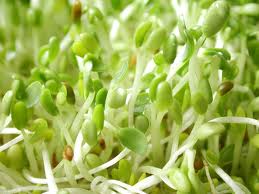
USA – Soybean and Mung Bean Sprouts Recalled for Listeria Risk

Food Safety News alfalfa

Good Seed Inc. is recalling all packages of soybean sprouts and mung bean sprouts because of potential contamination with Listeria monocytogenes.

The contamination was discovered through routine sampling by the Virginia Department of Agriculture and Consumer Services Food Safety Program and subsequent analysis by the Virginia Division of Consolidated Laboratory Services.

Individuals who purchased soybean sprouts and mung bean sprouts distributed by Good Seed Inc. should return the product to the place of sale for a full refund.

USA – Razor Clams Harvested May 7 Along Certain WA Beaches Should Be Destroyed

Food Safety News

The Washington State Department of Health announced Friday that any razor clams harvested on Thursday, May 7, along an approximately 145-mile stretch of coastal beaches from Long Beach north to Kalaloch should be destroyed due to high levels of a marine toxin.

Department officials recently discovered elevated levels of domoic acid in the area, which can cause illness if consumed at high levels.

Information on Domoic Acid

Canada – CFIA – Recall – Killarney Market brand ground beef recalled due to E. coli O157:H7

CFIA

Ottawa, May 9, 2015 – Killarney Market is voluntarily recalling Killarney Market brand ground beef from the marketplace due to possible E. coli O157:H7 contamination. Consumers should not consume the recalled products described below.

The following products were sold from Killarney Market, 2611 East 49th Ave., Vancouver, British Columbia.

Recalled products

Brand Name Common Name Size Code(s) on Product UPC
Killarney Market Lean Ground Beef Variable All Sell By dates from May 05, 15 up to and including May 11, 15 Starts with 200089
Killarney Market Lean Ground Beef Family Pack Variable All Sell By dates from May 05, 15 up to and including May 11, 15 Starts with 200115
Killarney Market Extra Lean Ground Beef Less than 10% Fat Variable All Sell By dates from May 05, 15 up to and including May 11, 15 Starts with 200117
Killarney Market Extra Lean Ground Beef Family Pack Variable All Sell By dates from May 05, 15 up to and including May 11, 15 Starts with 200119
Killarney Market 100% Hormone Free Black Angus Lean Ground Beef Variable All Sell By dates from May 05, 15 up to and including May 11, 15 Starts with 200820

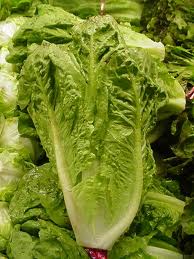
Research – Older Leaves of Lettuce (Lactuca spp.) Support Higher Levels of Salmonella enterica ser. Senftenberg Attachment and Show Greater Variation Between Plant Accessions than do Younger Leaves

Oxford University Press Eurofins Food Testing UK

Salmonella can bind to the leaves of salad crops including lettuce and survive for commercially relevant periods. Previously studies have shown that younger leaves are more susceptible to colonization than older leaves and that colonization levels are dependent on both the bacterial serovar and the lettuce cultivar. In this study, we investigated the ability of two Lactuca sativa cultivars (Saladin and Iceberg) and an accession of wild lettuce (L. serriola) to support attachment of Salmonella enterica serovar Senftenberg, to the 1st and 5–6th true-leaves and the associations between cultivar-dependent variation in plant leaf surface characteristics and bacterial attachment. Attachment levels were higher on older leaves than on the younger ones and these differences were associated with leaf vein and stomatal densities, leaf surface hydrophobicity and leaf surface soluble protein concentrations. Vein density and leaf surface hydrophobicity were also associated with cultivar-specific differences in Salmonella attachment, although the latter was only observed in the older leaves and was also associated with level of epicuticular wax

Sweden – Cryptosporidium Otbreak

P4 Skaraborg

A dozen people in the areas around Hjo has been diagnosed with parasitic disease cryptosporidiosis. The source of infection is believed to be calves in a kosläpp two weeks ago.

We have a class that has been on kosläpp where eight out of twenty-three children and a teacher have become ill with severe abdominal pain, vomiting and watery diarrhea, said Deputy County Medical in West Bengal, Eva Lind houses Combos.

HONG KONG – CFS Recall – Food Alert – French raw sheep’s milk cheese suspected to be contaminated with Listeria monocytogenes

CFS

<!–

–>

Issue Date 2015-05-07
Source of Information Notification from the Rapid Alert System for Food and Feed (RASFF) of the European Commission
Food Product Raw sheep’s milk cheese
Name of Importer
Product name and Description Product name: Raw milk cheese from sheep “PERAIL”
Place of origin: France
Manufacture date: between March 15 and April 2, 2015
Best before dates: May 23, 29 or 30, 2015
Reason For Issuing Alert

– The Centre for Food Safety (CFS) received a notification from the RASFF that certain batches of PERAIL raw sheep’s milk cheese were found to have been contaminated with Listeria monocytogenes. The French producer concerned has initiated a recall of all batches of all specialties of the product produced between the aforesaid dates. According to the information provided by the RASFF, a small volume of the affected product has been imported into Hong Kong.

– Listeria monocytogenes can be easily destroyed by cooking but can survive and multiply at refrigerator temperature. Most healthy individuals do not develop symptoms or only have mild symptoms like fever, muscle pain, headache, nausea, vomiting or diarrhoea when infected. However, severe complications such as septicemia, meningitis or even death may occur in newborns, elderly and those with a weaker immune system. Although infected pregnant women may just experience mild symptoms generally, the infection of Listeria monocytogenes may cause miscarriage, infant death, preterm birth, or severe infection in the newborns.

RASFF Alerts – Salmonella – Paan Leaves – Seasame Seeds – Raw Milk Goats Cheese – Chicken

Food Testing - Eurofins

RASFF-Salmonella spp. (in 1 out of 5 samples /25g) in paan leaves from India in the UK

RASFF-Salmonella spp. (in 2 out of 5 samples /25g) in hulled sesame seeds from Nicaragua in Italy

RASFF-Salmonella spp. (in 3 out of 5 samples /25g) in hulled sesame seeds from India in Poland

RASFF-Salmonella spp. (in 3 out of 5 samples /25g) in hulled sesame seeds from India in Poland

RASFF-Salmonella spp. (in 3 out of 5 samples /25g) in hulled sesame seeds from India in Poland

RASFF-Salmonella spp. (presence /25g) in goat cheese made from raw milk from France in France

RASFF-Salmonella spp. (in 1 out of 5 samples /25g) in paan leaves from India in the UK

RASFF-Salmonella spp. (presence /25g) in frozen salted chicken meat preparations from Thailand in the UK

RASFF-Salmonella enteritidis (presence /25g) in chilled chicken meat from the Czech Republic in the Czech Republic

RASFF-Salmonella spp. (presence /25g) in frozen boneless skinless seasoned chicken inner fillet (Gallus gallus) from Brazil  in the Netherlands