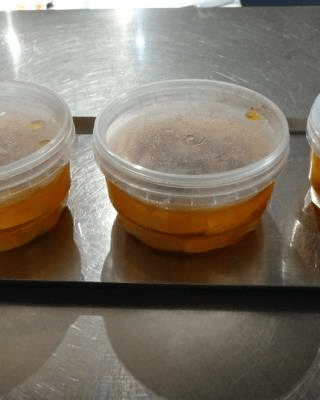
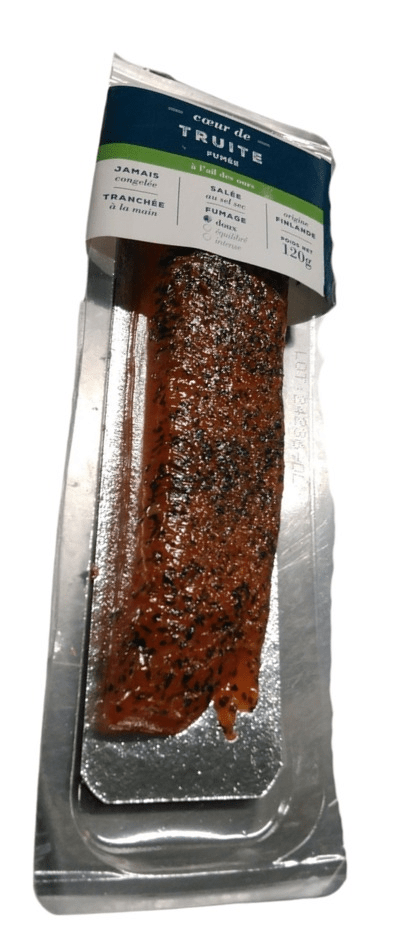
Start/End of marketing dateOf the 17/04/2025 at 18/04/2025
Storage temperatureProduct to be stored in the refrigerator
Health markBE KF104259 CE
Additional informationProduct under skin pack
Geographical area of saleFrance
DistributorsGRAND FRAIS/ FRESH
Practical information about the recall
Reason for the recallListeria detection
Risks to the consumerListeria monocytogenes (agent responsible for listeriosis)
Conduct to be followed by the consumerStop using No longer Use the product Return the product to the point of sale
Health recommendationsPeople who have consumed the “products” mentioned above and who have a fever, isolated or accompanied by headaches, and body aches, are invited to consult their doctor and report this consumption. Severe forms with neurological complications and maternal or fetal damage in pregnant women can also sometimes occur. Pregnant women as well as immunocompromised people and the elderly should be especially attentive to these symptoms. Listeriosis is a disease that can be serious and has an incubation period of up to eight weeks.
Compensation arrangementsRepayment
End date of the recall procedureMonday, May 12, 2025
In agreement with the FASFC, Imperial Exotic Fruits is withdrawing Gülcan brand Ground Ginger from sale and is recalling it from consumers due to the possible presence of Bacillus Cereus.
Imperial Exotic Fruits asks its customers not to consume this product and to return it to the point of sale in which it was purchased, where it will be refunded.
Product Description
Product Name: Ground Ginger
Brand: Gülcan
Best before date (Best before): 03/02/2029
Lot Number: AF-GP-0224 G840
Sales period: from 26/02/2025 to 01/04/2025
Packaging type: plastic jar
Weight: 150g
The product was distributed by: L’Impérial Exotic Fruits – Avenue Arthur Dezangré 78, 1950 Kraainem
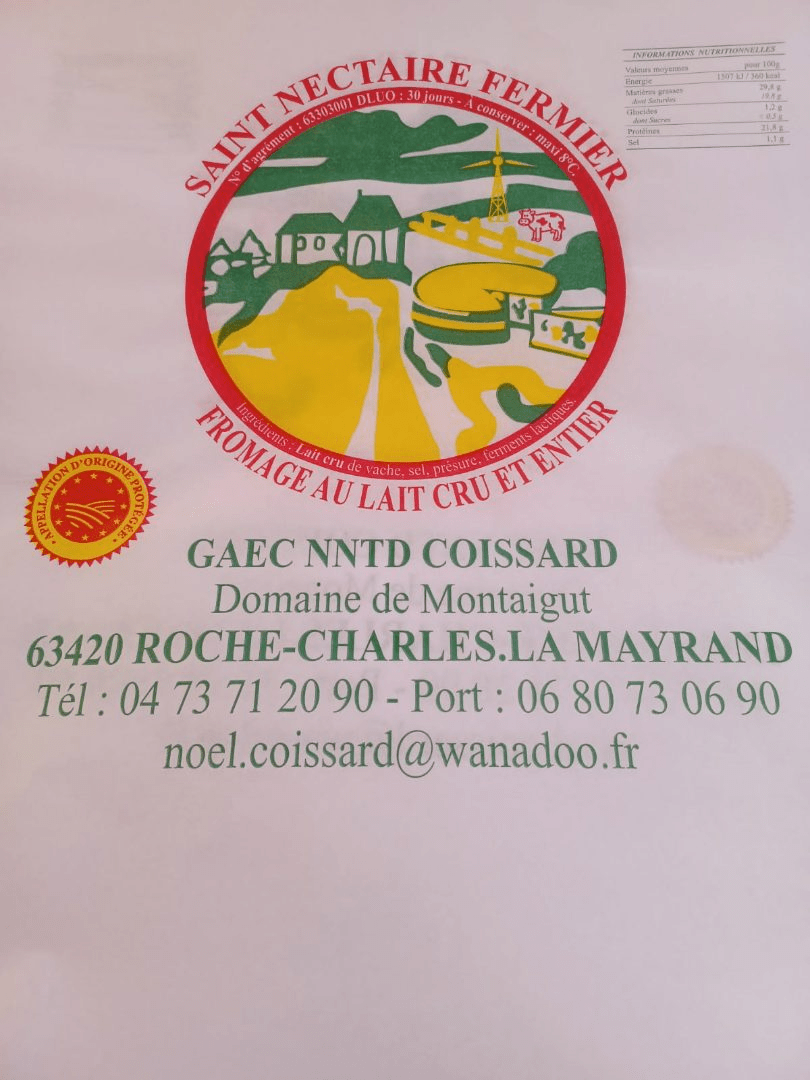
Model names or part numbersSaint-Nectaire farmhouse with raw milk
Product identificationLotDateSale from 19/04 to 20/04Minimum durability date between 19/05/2025 and 20/05/2025
Start/End of marketing dateOf the 19/04/2025 at 20/04/2025
Storage temperatureProduct to be stored in the refrigerator
Health markFR 63 303 001 CE
Geographical area of saleDepartments: PUY-DE-DÔME (63)
DistributorsSale on the market of Brassac les Mines (63) Farm Sale (63)
Practical information about the recall
Reason for the recallSalmonella spp
Risks to the consumerSalmonella spp (agent responsible for salmonellosis)
Conduct to be followed by the consumerStop using No longer Use the product Destroy the product
Health recommendationsFoodborne illnesses caused by salmonella result in sudden onset of gastrointestinal disorders (diarrhoea, vomiting) often accompanied by fever and headache that generally occur 6 to 72 hours after consumption of contaminated products. These symptoms may be more pronounced in young children, pregnant women, immunocompromised people and the elderly. People who have consumed these products and who have these symptoms are invited to consult their doctor and report this consumption. If there are no symptoms within 7 days of consuming the affected products, there is no need to worry and consult a doctor. If the product must be cooked before consumption: cooking the products (hard-boiled eggs, pastries, poultry meat, etc.) at +65°C destroys these bacteria and prevents the consequences of such contamination.
Compensation arrangementsOther (see additional information)
End date of the recall procedureWednesday, June 4, 2025
Reason for the recallDetection of Listeria monocytogenes
Risks to the consumerListeria monocytogenes (agent responsible for listeriosis)
Conduct to be followed by the consumerStop using Contact the point of sale Contact the customer service Destroy the product
Health recommendationsPeople who have consumed the “products” mentioned above and who have a fever, isolated or accompanied by headaches, and body aches, are invited to consult their doctor and report this consumption. Severe forms with neurological complications and maternal or fetal damage in pregnant women can also sometimes occur. Pregnant women as well as immunocompromised people and the elderly should be especially attentive to these symptoms. Listeriosis is a disease that can be serious and has an incubation period of up to eight weeks.
Compensation arrangementsRepayment
End date of the recall procedureMonday, May 12, 2025
Additional public informationAs a precautionary measure, this entire batch has been withdrawn from the market. However, some of these products were marketed before the withdrawal measure. These products were only marketed between 15/04/2025 and 18/04/2025 in the self-service department throughout the country. It is therefore recommended that people who have these products do not consume them and go to the store to ask for a refund.
In agreement with the FASFC, Norenca N.V. is withdrawing the marinated turkey skewer products (3 and 16 pieces) of the Norenca and Spar brands from sale and recalling them from consumers due to the possible presence of Salmonella.
Norenca asks its customers not to consume this product and to bring it back to the point of sale.
Products Description:
Product name: Marinated turkey skewer (3 and 16 pieces)
Brands: Norenca and Spar
Lot numbers: 02517113
Best before dates: 30/04/2025
Packing: by 3 pieces and 16 pieces
Sale period: from 24/04/2025
Information for consumers
Possible symptoms of a foodborne infection caused by salmonella include fever, abdominal cramps and diarrhoea within 12 to 48 hours of eating the contaminated food. The risk of infection is higher in the elderly, children, pregnant women and immunocompromised people. People who have consumed these products and who present this type of symptoms are invited to consult their doctor without delay and report this consumption.
For further information, please contact NORENCA NV, 2440 GEEL, info@norenca.be 014/58.45.11
Model names or part numbersSaint-Nectaire made from raw milk – Farm production – Fromagerie Montcineyre
Product identificationLotDate120FEK24Use-by date between 25/11/2024 and 16/06/2025143XDBR24Use-by date between 25/11/2024 and 16/06/20252LKP25Use-by date between 25/11/2024 and 16/06/2025140FEK24Use-by date between 25/11/2024 and 16/06/2025194SFBV24Use-by date between 25/11/2024 and 16/06/2025169SFBV24Use-by date between 25/11/2024 and 16/06/2025203LKP24Use-by date between 25/11/2024 and 16/06/202539XDBR25Use-by date between 25/11/2024 and 16/06/20253XDBR25Use-by date between 25/11/2024 and 16/06/2025182SFBV24Use-by date between 25/11/2024 and 16/06/2025138AAMK24Use-by date between 25/11/2024 and 16/06/202532SFBV25Use-by date between 25/11/2024 and 16/06/20251XDBR25Use-by date between 25/11/2024 and 16/06/202520FEK25Use-by date between 25/11/2024 and 16/06/2025207SFBV24Use-by date between 25/11/2024 and 16/06/2025191LKP24Use-by date between 25/11/2024 and 16/06/202530LKP25Use-by date between 25/11/2024 and 16/06/202524SFBV25Use-by date between 25/11/2024 and 16/06/2025125FEK24Use-by date between 25/11/2024 and 16/06/202538LKP25Use-by date between 25/11/2024 and 16/06/202534LKP25Use-by date between 25/11/2024 and 16/06/202529XDBR25Use-by date between 25/11/2024 and 16/06/2025130FEK24Use-by date between 25/11/2024 and 16/06/202523XDBR25Use-by date between 25/11/2024 and 16/06/202519SFBV25Use-by date between 25/11/2024 and 16/06/2025168AAMK24Use-by date between 25/11/2024 and 16/06/202510FEK25Use-by date between 25/11/2024 and 16/06/2025146XDBR24Use-by date between 25/11/2024 and 16/06/2025
PackagingIn whole cheese or in portions depending on the retailer
Start/End of marketing dateOf the 09/09/2024 at 24/04/2025
Storage temperatureProduct to be stored in the refrigerator
Health markEN 63.178.021 CE
Additional informationCheeses – Raw milk farmhouse Saint Nectaire – red round label
Geographical area of saleFrance
DistributorsAux Fromages de Jean (shop and markets in the 63) THE BASCO BEARNAISE CARREFOUR VEYRE MONTON DUROUX AUVERGNE FARM FROM TERROIR FRUITI THE OUVERGNE GARDETTE GIRARDIERE INTERMARCHÉ CEYRAT INTERMARCHÉ LE CENDRE
Reason for the recallListeria presence in a store with cheeses corresponding to the indicated batches
Risks to the consumerListeria monocytogenes (agent responsible for listeriosis)
Conduct to be followed by the consumerStop using Do not use the product Returning the product to the point of sale Contact the point of sale Contact the customer service Destroy the product
Health recommendationsPeople who have consumed the “products” mentioned above and who have a fever, isolated or accompanied by headaches, and body aches, are invited to consult their doctor and report this consumption. Severe forms with neurological complications and maternal or fetal damage in pregnant women can also sometimes occur. Pregnant women as well as immunocompromised people and the elderly should be especially attentive to these symptoms. Listeriosis is a disease that can be serious and has an incubation period of up to eight weeks.
Contact number0662321926
Compensation arrangementsOther (see additional information)
End date of the recall procedureTuesday, July 1, 2025
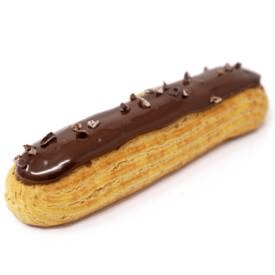
Model names or part numbersChocolate éclair for traditional sale
Product identificationGTINLotDate020397900000022/04/25Use-by date 25/04/2025
PackagingTraditional shelf sales
Start/End of marketing dateOf the 22/04/2025 at 24/04/2025
Storage temperatureProduct to be stored in the refrigerator
Geographical area of saleDouarnenez
DistributorsE.leclerc Treboul
Practical information about the recall
Reason for the recallPresence of Listeria monocytogenes
Risks to the consumerListeria monocytogenes (agent responsible for listeriosis)
Conduct to be followed by the consumerDo not consume again Return the product to the point of sale Destroy the product
Health recommendationsPeople who have consumed the “products” mentioned above and who have a fever, isolated or accompanied by headaches, and body aches, are invited to consult their doctor and report this consumption. Severe forms with neurological complications and maternal or fetal damage in pregnant women can also sometimes occur. Pregnant women as well as immunocompromised people and the elderly should be especially attentive to these symptoms. Listeriosis is a disease that can be serious and has an incubation period of up to eight weeks.
Contact number0298742900
Compensation arrangementsRepayment
End date of the recall procedureSaturday, May 31, 2025
Following an inspection and in order to guarantee consumer safety, Carrefour is asking to withdraw from the market the “Tahini sesame puree” of the Carrefour Bio brand sold in the grocery section of certain Carrefour stores in Belgium and is recalling it from consumers due to the possible presence of Salmonella.
Product Description:
Name: Sesame Puree Tahini
Brand: Carrefour Bio
Best before date: 30/07/2026
EAN: 3560071411688
Lot number: LBS250105
Weight: 350 g
All products have been withdrawn from sale. However, some of these products were marketed on the Belgian market before the withdrawal measure. It is therefore recommended that people who have the products described above do not consume them and destroy them or return them to the point of sale where they will be reimbursed.
Foodborne illnesses caused by salmonella result in gastrointestinal disorders often accompanied by fever within 12 to 72 hours of consuming contaminated products. These symptoms may be aggravated in young children, immunocompromised individuals and the elderly. People who have consumed the product mentioned above and who have these symptoms are invited to consult their doctor and report this consumption.
We apologize to our customers for the inconvenience caused.
For any further information, you can contact Carrefour Belgium consumer service by calling the toll-free number 0800.9.10.11, from 8:30 am to 8:00 pm on working days and from 9:00 am to 5 pm on Saturdays.