Author Archives: RM

Publisher’s Platform: Salmonella is one Nasty Bug

FSN

In recent years, Salmonella outbreaks have become a pressing public health concern, highlighting the vulnerabilities in our food supply chain. Salmonella, a group of bacteria commonly linked to foodborne illnesses, is notorious for causing symptoms ranging from mild gastrointestinal distress to severe infections. It’s time for both consumers and industry players to adopt more rigorous safety practices to prevent these outbreaks and protect public health.

Salmonella can find its way into various foods, including poultry, eggs, produce, and even processed goods. The challenge lies in the bacteria’s resilience and adaptability, which allow it to thrive in diverse environments. Recent incidents trace back to unsanitary farming practices, cross-contamination in processing facilities, and improper food handling. Clearly, we need systemic changes to mitigate these risks.

At the industry level, manufacturers and farmers must adopt stricter hygiene standards and invest in regular inspections. Implementation of comprehensive safety protocols, such as better temperature control and sanitation methods, is essential in preventing contamination. The integration of technology, like blockchain for traceability, can help in quickly identifying and isolating sources during outbreaks, thereby reducing the spread of contaminated products.

World’s first cultivated meat dog treat goes on sale at Pets at Home

UK cultivated meat manufacturer Meatly has achieved another first, after gaining UK regulatory approval for its cultivated meat in July 2024.

https://www.foodmanufacture.co.uk/Article/2025/02/06/meatly-and-the-pack-launch-pet-treats-made-from-lab-grown-meat-into-pets-at-home/

EU passes regulation on use of WGS during outbreaks

FSN

The European Commission has adopted legislation requiring EU countries to do Whole Genome Sequencing (WGS) during foodborne outbreaks.

Member states will need to collect Salmonella, Listeria monocytogenes, E. coli, Campylobacter jejuni, and Campylobacter coli isolates from food, animal, feed, and related environmental samples from food and feed businesses, where the isolates are associated or suspected to be associated with a foodborne outbreak. They will also need to carry out WGS on those isolates.

EU countries would send results to the European Food Safety Authority (EFSA), which developed the One Health WGS system with the European Centre for Disease Prevention and Control (ECDC). EFSA would compare the WGS results on these samples with findings from human isolates communicated to ECDC to identify the source of outbreaks.

New Salmonella outbreak under investigation

FSN

Investigators from the Food and Drug Administration are working on a new Salmonella outbreak of unknown origin.

The Salmonella Enteritidis outbreak has sickened at least 18 people. The FDA has not reported the ages of the patients or where they live. The agency has initiated traceback efforts, but has not reported what food is being traced.

There are likely many more people who have been sickened in the outbreak than are reported at this time because the CDC estimates that for every confirmed Salmonella patient in an outbreak there are 29 patients who go unreported.

In other outbreak news, the FDA has determined that an outbreak of E. coli O26:H11 infections was likely due to alfalfa or clover sprouts. Public health officials conducted patient interviews and traceback investigations to determine the likely source of the pathogen.

“Although sprouts were confirmed as the vehicle, investigators were unable to determine which type of sprouts was making people sick,” according to the FDA.

The FDA first posted information about the outbreak on Oct. 30, 2024. Investigators confirmed 10 patients in the outbreak, but many more people were likely sickened. The Centers for Disease Control and Prevention reports that 26 patients go unreported for every confirmed patient in an E. coli outbreak.

Once investigators had enough information to confirm sprouts as the source of this outbreak, the products were past their shelf life and no longer available for sale.

France: Recalls

TRADIVAL and FRESH Savoyard paving stone x2 in a protective atmosphere
Suspicion of Salmonella


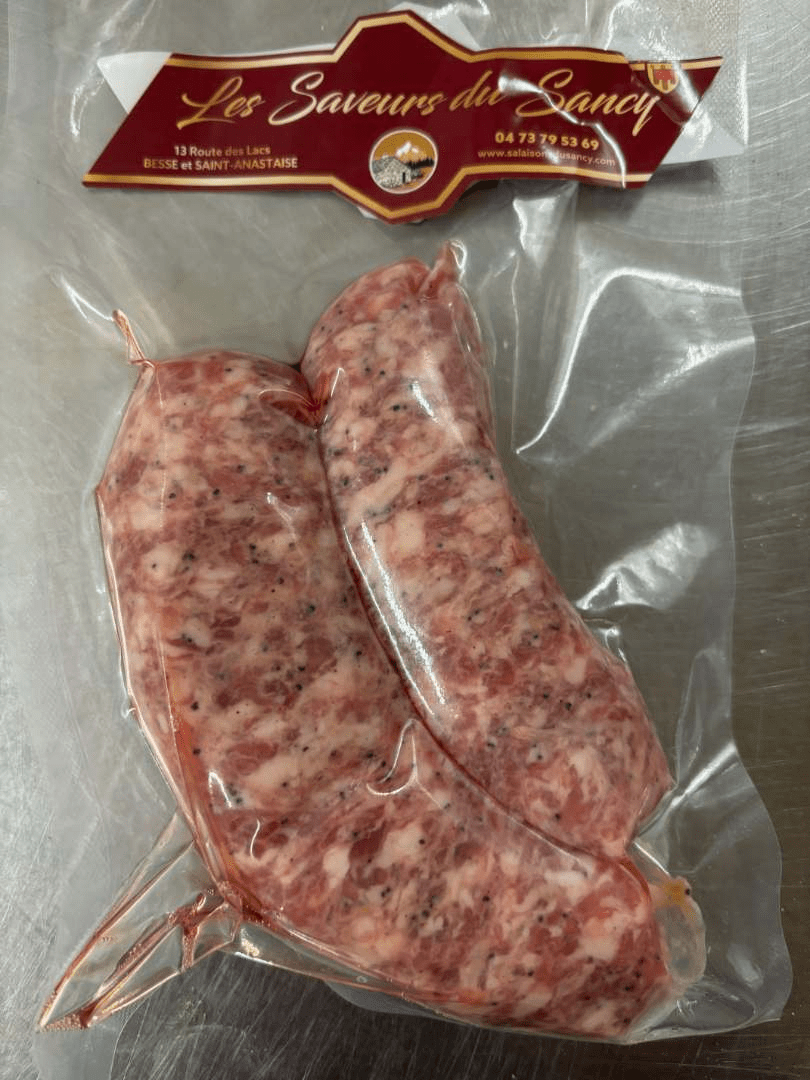
SALTING OF THE SANCY PLAIN SAUSAGE WITH FLEUR DE SEL
detection of Salmonella


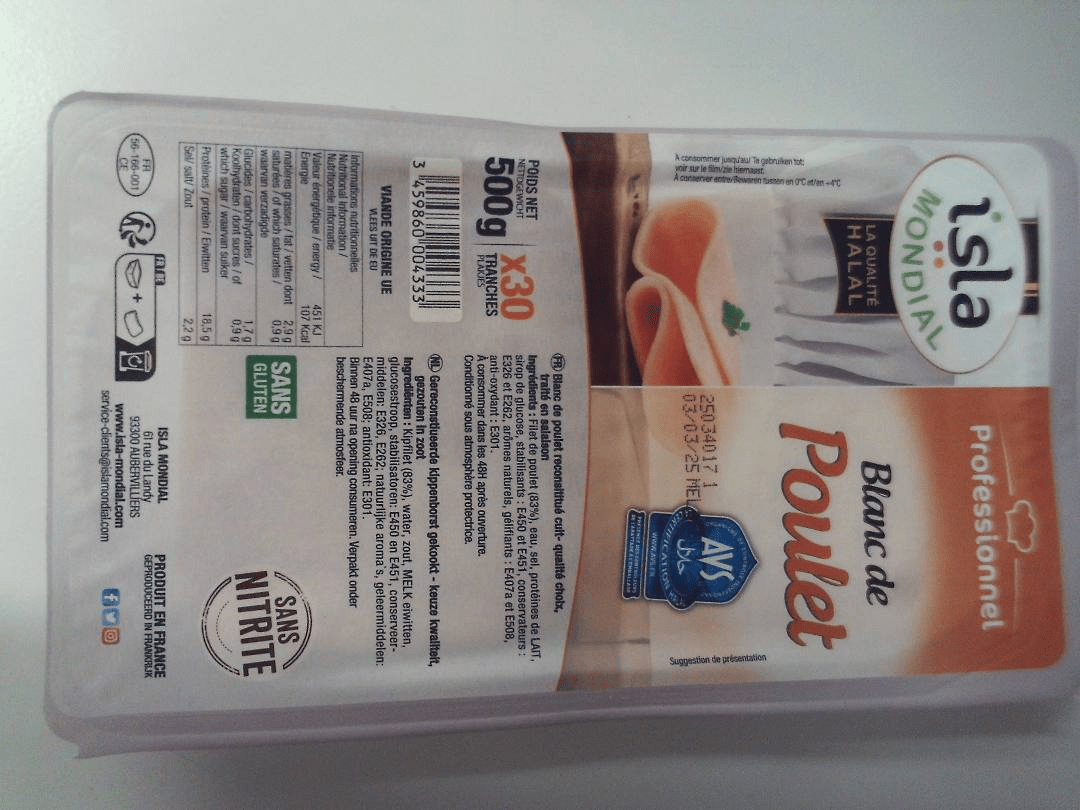
ISLA GLOBAL Chicken Breast 500g
Listeria monocytogenes detection

Carré du Tertre , Le Villersois , crème fraîche , butter
Listeria monocytogenes

South Africa: Tiger Brands offers compensation to patients with serious Listeria symptoms

FSN

An agreement has been struck for Tiger Brands to compensate some of those seriously affected by the world’s largest Listeria outbreak in South Africa more than six years ago.

Tiger Brands, Richard Spoor Inc. and LHL Attorneys have reached a deal for payments to be made to an initial group of people seeking interim assistance to address urgent medical needs.

Discussions are ongoing to extend relief to other qualifying claimants in similar situations.

Hot Topic: Is toxic baby food poisoning our children?

FSN

The alarm certainly sounded long and loud in 2022 when Abbott recalled Similac, Alimentum, and EleCare powdered infant formulas after an FDA investigation found Cronobacter sakazakii in the powdered infant formulas. 

Do not use recalled product produced at Abbott Nutrition’s Sturgis, MI, facility the FDA urged.

The largest supplier of infant formula in America withdrew its products from supermarket shelves nationwide. A suddenly very limited supply coupled with concern about the safety of what few products could still be found on supermarket shelves created consumer panic.

More than 150 sick in rare E. coli outbreak in Thailand

FSN

Researchers have documented the first enteroinvasive E. coli outbreak in Thailand.

An enteroinvasive E. coli (EIEC) outbreak affecting 154 people was identified among attendees at a wedding in Loei Province. The median time to symptom onset was 18 hours and ranged from seven to 72 hours. The epidemiological evidence suggested that larb-neua-dib, a spicy ground raw beef salad, was the probable source.

According to the study published in the European Journal of Clinical Microbiology and Infectious Diseases, EIEC outbreaks are underreported because of challenges with identification. 

Scientists analyze role of weather on Salmonella infections

FSN

Scientists have identified the most influential weather factors and combinations associated with an increase in Salmonella infections.

The study, led by a team of researchers at Surrey’s School of Veterinary Medicine, investigated the impact of different weather factors on the transmission of Salmonella. Their work was supported by animal health company Zoetis and the European Union’s Horizon 2020 research and innovation funding program. Findings were published in the Journal of Infection.

Key factors linked to a predicted increase in salmonellosis cases, regardless of geographical location, included air temperature above 10 degrees C (50 degrees F), relative humidity, reduced precipitation, dewpoint temperature of 7 to 10 degrees C (44.6 to 50 degrees F), and longer day lengths (12 to 15 hours). 

Publisher’s Platform: Tackling Listeria – A shared responsibility in safeguarding our food supply

FSN

— OPINION —

Listeria monocytogenes, a potent and pathogenic bacterium, poses a persistent threat to our food supply and public health. Unlike many other foodborne pathogens, Listeria can thrive at refrigeration temperatures, making it particularly challenging to control. With the ability to cause severe illness — especially among vulnerable populations such as newborns, pregnant women, the elderly, and those with weakened immune systems — it’s crucial for consumers, producers, and regulators to work together to minimize the risk of Listeria outbreaks.

Listeria-related illnesses, although not as common as those caused by other bacteria, often result in serious complications. This underscores the need for enhanced surveillance and heightened caution in every step of the food production and distribution process. Beyond just producing safer food, cultivating a culture of safety is key to preventing potential outbreaks.