
Product
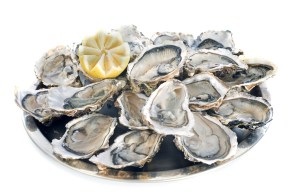
Oysters from Groton Approved area in Connecticut harvested from 8/28/2023 through 8/30/2023 from dealers CT-393-SS, AQ, CT-004-SS, AQ, and CT-020-SS, AQ with lots, L-30 and L-26B1.
Purpose
The US Food and Drug Administration (FDA) is advising consumers not to eat, and restaurants and food retailers not to sell, and to dispose of oysters harvested from Groton Approved area in Connecticut from 8/28/2023 through 8/30/2023 from dealers CT-393-SS, AQ, CT-004-SS, AQ, and CT-020-SS, AQ with lots, L-30 and L-26B1 due to sample results showing potential contamination. Oysters were directly distributed to retailers and distributors in CT, MA, NY, PA, and VA. Oysters may have been distributed further from these states.
Contaminated oysters can cause illness, especially if eaten raw, particularly in people with compromised immune systems. Food contaminated with pathogens may look, smell, and taste normal. Consumers of these products who are experiencing food poisoning symptoms such as diarrhea, stomach pain or cramps, nausea, vomiting, or fever should contact their healthcare provider, who should report their symptoms to their local Health Department.
Symptoms of Food Poisoning
People can get sick with food poisoning after ingesting certain pathogens, like Salmonella or E. coli. Symptoms may vary, depending on the pathogen and can range from mild to serious. The most common symptoms of food poisoning are diarrhea, stomach pain or cramps, nausea, vomiting, and fever. Symptoms may start within a few hours or may take a few days and can last for a few hours or several days.

 FoodWorld