
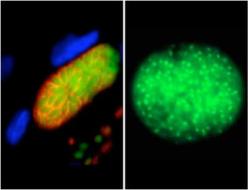
Toxoplasma gondii, a human pathogen of the Apicomplexa phylum, is an obligate intracellular parasite, i.e., a microbe that must reside within a foreign cell to survive and propagate. To achieve intracellular replication, Toxoplasma has mastered three strategies: seclusion, secretion, and scavenging. Upon invasion, the parasite secludes itself from the host cytoplasm by forming the parasitophorous vacuole (PV), a self-made niche that protects it from host cell assaults. Within its PV, Toxoplasma secretes many proteins that transform the PV into a replication-competent milieu, and it subverts many host cell pathways by exporting proteins into the host territory. The parasite relentlessly scavenges nutrients from the host mammalian cytosol and organelles until egress. Hereafter, we focus on the unique properties of the T. gondii PV in relation to the scavenging of host cell–derived nutrients by the parasite.
KSWFoodWorld

 FoodWorld