
Bacteria-killing viruses could be employed not just in health care, but also in the food industry, a study conducted at the University of Helsinki indicates.
Research focused on the utilisation of viruses that infect and kill bacteria, known as bacteriophages or phages, in preventing infectious diseases has gained new traction after bacterial resistance to antibiotics has become a global problem. Each individual bacteriophage only infects a handful of bacterial species or strains, which makes them veritable weapons of precision in the prevention of bacterial diseases.
Professor Mikael Skurnik from the University of Helsinki has studied bacteriophages and phage therapy for a long time. Now, in cooperation with researchers at the Seoul National University in South Korea, he has been investigating the possibility of utilising phages also in eradicating foodborne pathogens and preventing food poisoning.
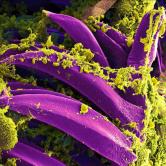
The researchers focused on the Yersinia enterocolitica bacterium, by far the most common cause for yersiniosis. The disease is usually transmitted through raw or undercooked pork. Another source of infection, although a much rarer one, is milk. Humans can also be infected by kitchenware used in handling contaminated food.

 FoodWorld