
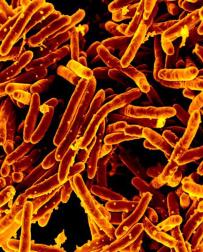
Research provides new insights into secret life of bacteria
Bacteria with synthetic genetic “switches” show that antibiotics work differently than we thought
Bacterial infections are the number one cause of death in hospital patients in the United States, and antibiotic-resistant bacteria are on the rise, causing tens of thousands of deaths every year. Understanding exactly how antibiotics work (or don’t work) is crucial for developing alternative treatment strategies, not only to target new “superbugs,” but also to make existing drugs more effective against their targets. Using synthetic biology techniques, a team of researchers at the Wyss Institute at Harvard University has discovered that bacteria respond to antibiotics very differently – exactly the opposite, in fact – inside the body versus on a petri dish, suggesting that some of our current assumptions about antibiotics may be incorrect.

 FoodWorld