Monthly Archives: July 2017

USA – Grande Produce Limited Recall Papaya – Potential Salmonella

Grande Produce Issues Voluntary Recall of Limited Quantity of Papaya “Caribeña” Due to Potential Health Risk

FDA

Salmonella is an organism that can cause serious and sometimes fatal infections in young children, frail or elderly people, and others with weakened immune systems. Healthy persons infected with Salmonella often experience fever, diarrhea, nausea, vomiting and abdominal pain.

Grande Produce has announced a voluntary recall of a limited quantity of Papaya Maradol (with the brand name Caribeña labeled on cartons) distributed during the dates of July 10 and July 19 due to a potential health risk from Salmonella.

According to Grande Produce, a Maryland distribution center where the papayas were delivered has already notified retail customers to remove the recalled papayas from inventories, store shelves and the stream of commerce.  Recall effectiveness checks are already underway by Grande Produce.

The only papayas subject to the recall carry a “Caribeña” brand label on cartons and were shipped during the dates of July 10 to July 19.  No other papayas or fresh produce distributed by Grande Produce are subject to the recall.
Malaysia – 98 Students – Food Poisoning – Kedah

The Malay Mail Online

98 polytechnic students down with food poisoning in Kedah

KULIM, July 25 — Ninety-eight students of the Tuanku Sultanah Bahiyah Polytechnic were rushed to hospital today after suffering from food poisoning following an Aidilfitri lunch yesterday, said Kedah Director of Health Datuk Dr Norhizan Ismail.He said the students were taken to hospital at about 9am.

“An investigation by the Kulim District Health Office revealed that the students started developing symptoms of food poisoning between 7.30pm on July 24 and 7am today,” he said in a statement.

They had eaten ‘nasi minyak’, ‘ayam masak merah’ and ‘dalca’ at the Aidilfitri lunch, he added.

UK- Food Poisoning – Boutique Hotel – Saltburn

Gazette Live

Bacteria behind suspected food poisoning outbreak identified as investigation into boutique hotel continues.

The bacteria behind a suspected food poisoning outbreak has been identified.

Public Health England (PHE) North East has said that Campylobacter is the most likely cause of illnesses reported to them after dining at a boutique hotel in Saltburn.

Brockley Hall Hotel is currently being investigated by PHE and Redcar and Cleveland Council after reports of vomiting and diarrhoea among a number of guests who attended an event there.

Most of those who fell ill had been attending a 40th birthday celebration on Friday, July 7 – with three of them being hospitalised.

Tanzania – Aflatoxin Kills 4 Children in Tanzania, Linked to Consumption of Maize

Aflatoxin kills 4 children in Tanzania, linked to consumption of maize

Outbreak News Today

In the past month in Tanzania, two clusters s of suspected acute aflatoxicosis have occurred in Kiteto District, Manyara Region in the northern part of Tanzania

As of 19 July 2017, a total of eight cases of suspected aflatoxicosis, including four deaths (case fatality rate 50%) have been reported. No new cases have been reported since 13 July 2017.

USA – Deadly Utah, Arizona E.coli Outbreak not Linked to Ground Beef

Food Poisoning Bulletin

Deadly Utah, Arizona E. coli Outbreak Not Linked to Ground Beef

The Southwest Utah Public Health Department has issued a news release about the deadly E. coli outbreak in Hildale, Utah and Colorado City, Arizona. They say that while they are still investigating this outbreak, they have determined that ground beef is not a likely cause. the advisory not to consume previously purchased ground beef is discontinued. The advisory to not consume raw milk stays in place.

USA – FDA Investigates Multiple Salmonella Outbreak Strains Linked to Papayas

FDA papaya

FDA Investigates Multiple Salmonella Outbreak Strains Linked to Papayas

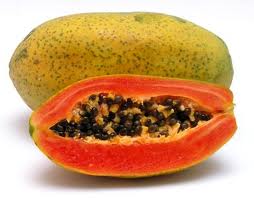
  • The FDA is advising consumers not to eat Caribeña brand Maradol papayas because they are linked to an outbreak of salmonellosis. Maradol papayas are green before they ripen and turn yellow, so consumers should not eat Caribeña brand regardless of the color. If anyone has these papayas in their home, they should dispose of them immediately. These can be identified by a red, green and yellow sticker shown here.
  • Papaya samples taken by MDH from a Baltimore retail location tested positive for the strains of Salmonella Kiambu and Thompson found in ill people.
  • CDC is advising consumers not to eat any Maradol papayas. FDA continues its traceback investigation. At this time, Caribeña brand papayas from Mexico have been identified as a brand linked to these illnesses. Additional brands will be announced as the information becomes available.
  • CDC reports 47 cases,12 hospitalizations and one death from 12 states in the Salmonella Kiambu outbreak. The states involved are IA, KY, LA, MA, MD, MN, NJ, NY, PA, TX, UT and VA. CDC is working to collect additional information to determine whether the recent Salmonella Thompson illness in Maryland is part of this multistate outbreak.

Brazil – Cinco locaiss onde a Listeria monocyotgenes pode se esconder na industria de alimentos

Food Safety Brazil

Cinco locais onde a Listeria monocytogenes pode se esconder na indústria de alimentos
Você sabia que, embora o número de pessoas infectadas por Listeria monocytogenes de origem alimentar seja relativamente baixo, esta bactéria é uma das principais causas de morte por doença transmitida por alimentos? Além de sintomas como náuseas, vômitos, dores, febre e diarreia, ela também pode se espalhar pela corrente sanguínea e ir para o sistema nervoso, resultando em meningite que pode ser fatal. Os casos de Listeria monocytogenes não estão ligados a um tipo específico de alimento. Elas podem ser encontradas em produtos tão diversos quanto leite cru ou não pasteurizado; pescado defumado e outros frutos do mar; carnes, queijos (especialmente queijos frescos) e vegetais crus.


UK – Cyclospora Increase Reported in the UK, Linked with Mexico Travel – Again

Outbreak News Today

Cyclospora increase reported in the UK, Many linked to Mexico travel

For the third year in a row, the United Kingdom is reporting an increase in the parasitic infection, cyclosporiasis since May, according to a European Centre for Disease Prevention and Control (ECDC) report Friday.

Since the beginning of the year, the UK has seen 58 cases, with at least more than half linked to overseas travel.

Like in previous years, a large proportion of cases are identified in travelers returning from Mexico, particularly from the Riviera Maya and Cancun regions.

Infections amongst these travelers are considered mostly foodborne and do not appear to be associated with contaminated water consumption or hygiene failures.

Cyclospora cayetanensis is a single celled coccidian parasite. Cyclosporiasis occurs in many countries, but it seems to be most common in tropical and subtropical regions.

Research – Multistate Outbreak – Salmonella Anatum – Hot Peppers USA May-July 2016

CDC

Multistate Outbreak of Salmonella Anatum Infections Linked to Imported Hot Peppers — United States, May–July 2016

Foodborne salmonellosis causes an estimated 1 million illnesses and 400 deaths annually in the United States (1). Salmonella Anatum is one of the top 20 Salmonella serotypes in the United States. During 2013–2015 there were approximately 300–350 annual illnesses reported to PulseNet, the national molecular subtyping network for foodborne disease surveillance. In June 2016, PulseNet identified a cluster of 16 Salmonella Anatum infections with an indistinguishable pulsed-field gel electrophoresis (PFGE) pattern from four states.* In April 2016, the same PFGE pattern had been uploaded to PulseNet from an isolate obtained from an Anaheim pepper, a mild to medium hot pepper. Hot peppers include many pepper varieties, such as Anaheim, jalapeño, poblano, and serrano, which can vary in heat level from mild to very hot depending on the variety and preparation. This rare PFGE pattern had been seen only 24 times previously in the PulseNet database, compared with common PFGE patterns for this serotype which have been seen in the database hundreds of times. Local and state health departments, CDC, and the Food and Drug Administration (FDA) investigated to determine the cause of the outbreak. Thirty-two patients in nine states were identified with illness onsets from May 6–July 9, 2016. Whole-genome sequencing (WGS) was performed to characterize clinical isolates and the Anaheim pepper isolate further. The combined evidence indicated that fresh hot peppers were the likely source of infection; however, a single pepper type or source farm was not identified. This outbreak highlights challenges in reconciling epidemiologic and WGS data, and the difficulties of identifying ingredient-level exposures through epidemiologic investigations alone.

Information – Oysters and Vibriosis

CDC Vibrio

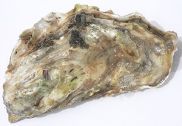
Raw oysters can ruin your summer. That’s because you can get very sick from eating raw oysters. Learn about vibriosis(https://www.cdc.gov/vibrio/index.html), a disease linked to raw oysters – and how to protect your health when it comes to oysters and certain other shellfish.

The days are growing longer and the temperature is rising. For many people, that means it’s the best time to enjoy their favorite seafood: oysters. It is also the time of year that most illnesses from raw oysters occur. Whenever and wherever you like to enjoy oysters, eating raw oysters and certain other undercooked shellfish, such as clams and mussels, can put you at risk for infections.