Monthly Archives: May 2017

RASFF Alerts – Aflatoxin – Hazlenuts – Groundnuts

kswfoodworld rasff

RASFF -aflatoxins (B1 = 20.3; Tot. = 22.5 µg/kg – ppb) in toasted hazelnuts from Turkey in Italy

RASFF-aflatoxins (B1 = 9.7; Tot. = 13.6 µg/kg – ppb) in shelled groundnuts from China in Spain

RASFF-aflatoxins (B1 = 6; Tot. = 19.6) in shelled hazelnuts from Turkey in France

RASFF – aflatoxins (B1 = 172; Tot. = 192 µg/kg – ppb) in groundnut kernels from the Gambia in Spain

RASFF Alerts – Salmonella – Frozen Salted Chicken – MRM Chicken – Duck Breasts – Sesame Seeds – Chicken Preparation – Chicken Sausages – Whole Egg Powder

kswfoodworld rasff

RASFF – Salmonella enterica ser. Heidelberg (present in 1 out of 5 samples /25g) in frozen salted chicken beat fillets from Brazil in Germany

RASFF-Salmonella (presence /25g) in frozen salted chicken half breasts from Brazil in the Netherlands

RASFF-Salmonella enterica ser. Heidelberg (present /25g) in frozen salted chicken breasts from Brazil, via Croatia in Slovenia

RASFF-Salmonella (presence /10g) in chilled mechanically separated chicken meat from Belgium, with raw material from the Netherlands in Belgium

RASFF-Salmonella enterica ser. Heidelberg (in 2 out of 5 samples /25g) and Salmonella enterica ser. Minnesota (in 1 out of 5 samples /25g) in frozen salted chicken breasts from Brazil in Germany

RASFF-Salmonella enterica ser. Enteritidis (presence /25g) in frozen duck breasts from Hungary, via Slovenia in Italy

RASFF-Salmonella (presence /25g) in frozen chicken half breasts from Brazil in the Netherlands

RASFF-Salmonella enterica ser. Heidelberg (present /25g) in frozen salten chicken breasts from Brazil in Germany

RASFF-Salmonella enterica ser. Heidelberg (in 2 out of 5 samples /25g) in frozen salted chicken breasts from Brazil in Germany

RASFF-Salmonella (in 2 out 5 samples /25g) in frozen salted chicken half breasts from Brazil in the UK

RASFF-Salmonella (presence /25g) in frozen salted chicken breasts from Brazil in the Netherlands

RASFF-Salmonella (present /25g) in frozen salted chicken meat from Brazil in the UK

RASFF-Salmonella enterica ser. Heidelberg (present /25g) in frozen salted chicken half breasts from Brazil, via the Czech Republic in Slovakia

RASFF-Salmonella (present /25g) in frozen chicken meat preparation from Brazil in the Netherlands

RASFF-Salmonella enterica ser. Enteritidis (present /25g) in frozen chicken strips from Poland in Poland

RASFF-Salmonella (present /25g) in sesame seeds from India in Spain

RASFF-Salmonella (present /25g) in frozen salted chicken half breast fillets from Brazil in the Netherlands

RASFF-Salmonella enterica ser. Adelaide (prsence /25g), Salmonella enterica ser. Bongori (presence /25g), Salmonella enterica ser. Livingstone (presence /25g), Salmonella enterica ser. Münster (presence /25g) and Salmonella enterica subsp. salamae (II) (presence /25g) in sesame seeds from Sudan in Greece

RASFF-Salmonella enterica ser. Heidelberg (present /25g) in frozen salted chicken half breast fillets from Brazil in Germany

RASFF-Salmonella (presence /25g) in frozen salted chicken breasts from Brazil in Germany

RASFF-Salmonella enterica ser. Enteritidis (presence /25g) in chilled chicken breast fillets from Poland in the Czech Republic

RASFF-Salmonella (presence /25g) in chilled chicken breast fillets from Poland in Croatia

RASFF-Salmonella enterica ser. Enteritidis (presence /25g) in chilled chicken sausages from Belgium, with raw material from the Netherlands in Belgium

RASFF-Salmonella (presence /25g) in frozen salted chicken half breasts from Brazil in the UK

RASFF-Salmonella (present 750 /g) in whole egg powder from the Netherlands in Germany

RASFF-Salmonella enterica ser. Abaetetuba (presence /25g) in chilled mechanically separated chicken meat from Poland in Italy

RASFF Alerts – Animal Feed – Rice Bran – Peanut Kernels

kswfoodworld rasff

RASFF – aflatoxins (B1 = 45 µg/kg – ppb) in rice bran from the United Kingdom in Belgium

RASFF-aflatoxins (B1 = 1167.1; Tot. = 1348 µg/kg – ppb) in peanut kernels from Egypt in the UK


RASFF Alert – Animal Feed – Clostridium perfringens –

kswfoodworld rasff

RASFF – Clostridium perfringens (500 CFU/g) in fish feed from Serbia in Romania

RASFF Alerts – Animal Feed – Salmonella – Meat Meal – Rape Seed Expeller

kswfoodworld rasff

RASFF – Salmonella (present /25g) in meat meal from Australia in the Netherlands

RASFF-Salmonella enterica ser. Gatineau (present /25g) and Salmonella enterica ser. Liverpool (present /25g) in organic rape seed expeller from Italy in Finland

Canada – Food Recall Warning – L.A. Lucky brand Sweet Basil Seed recalled due to Salmonella

CFIA kswfoodworld Salmonella

Ottawa, May 25, 2017 – Three Dolphins Wholesale is recalling L.A. Lucky brand Sweet Basil Seed from the marketplace due to possible Salmonella contamination. Consumers should not consume the recalled product described below.

The following product has been sold from Three Dolphins Wholesale, 4801 Victoria Drive, Vancouver, British Columbia.

Recalled products

Brand Name Common Name Size Code(s) on Product UPC
L.A. Lucky Sweet Basil Seed 60 g All units sold from October 01, 2015 up to and including May 25, 2017 8 20678 20169 7


USA – Norovirus in California: State officials work with local to control outbreak

Outbreak News Today

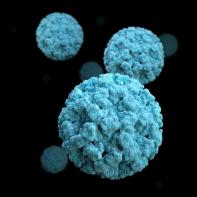
Food Borne Illness - Norovirus -CDC Photo

Image CDC


California state health officials said they are working with local public health departments across the state to help control norovirus outbreaks that have increased in the past few weeks, and are occurring in schools and other institutional settings.

“Norovirus outbreaks usually have an annual peak like we are seeing now. They can be particularly large and disruptive in schools, affecting both students and teachers,” said CDPH Director and State Public Health Officer Dr. Karen Smith. “Norovirus is very infectious and can spread rapidly wherever people congregate and share food and bathroom facilities. Fortunately, most people with norovirus infection will recover quickly, usually in one to three days.”

In Yolo County, which has been hit very hard by norovirus, announced the Woodland Joint Unified School District (WJUSD), has decided to close Dingle and Tafoya elementary schools on Friday, May 26, to limit further transmission of the Norovirus in these two schools, which have experienced particularly high rates of the illness.

Current reported numbers of affected students and school staff in Yolo County since May 1 is 3,374.

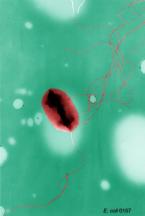
Research – Antimicrobial activity of selected plant species and antibiotic drugs against Escherichia coli O157:H7

African Journal of Microbiology

O157

Image CDC


Recent research has focused on natural plant products as alternative for disease control in both developed and developing countries. Medicinal plants can be a possible source for new potent antimicrobial agents to which pathogenic strains are not resistant. The present study was carried out to determine the in vitro antimicrobial activity of 14 plant species namely; Allium sativum, Aloe vera, Bryophyllum pinnatum, Cassia ocidentalis, Citrus sinensis, Euphorbia hirta, Mangifera indica, Myristica fragrans, Ocimium gratissimum, Piper guineese, Psidium guajava, Spermacoce verticilata, Vernonia amygdalina and Zingiber officinale and 3 antibiotic drugs namely; ampicillin, ciprofloxacin and streptomycin on Escherichia coli O157:H7 isolated from human clinical sample. The extracts of the plant species were prepared by cold percolation method using ethanol and water as solvents. Phytochemical analyses of the extracts of the different plant species were determined using standard methods. Agar well diffusion method was used to evaluate the antimicrobial sensitivity test of the plant extracts and that of antibiotic drugs at different concentrations ranging from 31.25 to 500 mg/ml. The minimum inhibitory concentration (MIC) of the antimicrobial agents against Escherichia coli O157:H7 was also conducted. Phytochemical analyses of the plant species revealed the presence of bioactivity principle such as alkaloids, balsam, cardiac glucoside, flavonoids, phenols, resins, saponins, tannins, terpenes and steroids. The results showed that all the antimicrobial agents exhibited inhibitory effects against the growth of the bacterial isolate at various degrees. Among the plant species employed in the study, the ethanolic and water extracts of P. guajava showed the highest inhibitory effect against the bacterium with growth inhibition mean zone diameters of 29.9 and 26.0 mm respectively at 500 mg/ml. Following P. guagava in order of inhibitory effect against E. coli O157:H7 are ethanolic extracts A. sativum, Z. officinale, V. amygdalina and M. indica with mean zones of inhibition of 21.2, 20.8, 20.3 and 19.9 mm respectively at 500 mg/ml. The results also revealed that of the three antibiotic drugs used in the study, ciprofloxacin exhibited the highest inhibitory effect against the organism with zone of inhibition of 38.6 mm, followed by streptomycin 30.2 mm, while ampicilin had the least 22.3 mm. The MIC results reveal that some of the plant species showed similar inhibitory effect against the bacterium, while the MIC results of the rest of the plants varied from one another. The in vitro study of the antimicrobial activity of the extracts of the various plant species and that of the antibiotic drugs against E. coli O157:H7 has demonstrated that certain folk medicine can be as effective as modern medicine in combating pathogenic microorganisms.

USA – Basil seeds from Vietnam recalled because of Salmonella risk

Food Safety News

Basil seeds imported from Vietnam and sold by retailers nationwide since October of 2015 are under recall by L.A. Lucky Import & Export Inc., which found Salmonella contamination during routine testing.

The importer did not disclose the volume of basil seed implicated in the recall, which includes packets sold from October 2015 through May 15 this year. Very little traceability information is available because the only coding on the 2.1-ounce plastic packets is a UPC number of 820678201697.

“There are no other codes on the product. No illnesses have been reported to date in connection with this problem,” according to the recall notice on the Food and Drug Administration website.

Myanmar – Eighteen villagers fall ill from food served at public religious ceremony

Coconuts

Eighteen people had to be hospitalized on Sunday morning after falling ill with severe cases of food poisoning, The Voice reports.

The victims ranged in age from 3 to 68 years old.

The incident took place in a village located in Chin State’s Tedim Township. According to victim testimonies, they believe that an ingredient had been misused in the food at a religious ceremony that they all attended earlier that day. That evening, all 18 people were taken to a hospital. Thankfully, their condition had improved by yesterday morning, although doctors are still keeping them for monitoring.

It’s unclear what specifically caused the food poisoning, although all the victims had consumed tea and dishes made from glutinous rice that were served at the ceremony.