Monthly Archives: January 2017

Information -FDA Announces Sprout Guidance: What Took so Long?

Food Poisoning Bulletin

After eight multistate food poisoning outbreaks linked to raw sprouts in the past five years, the FDA is finally issued a draft guidance for comments to help sprout operations meet new standards that are designed to keep this product safe. Raw sprouts are often contaminated with pathogenic bacteria, and the damp and warm growing conditions are the perfect medium for bacterial growth.

RASFF Alerts – Ochratoxin A -Pistachios

kswfoodworld rasff

RASFF – aflatoxins (B1 = 140; Tot. = 150 µg/kg – ppb) and ochratoxin A (110 µg/kg – ppb) in pistachios from Iran, via Germany in the Netherlands

RASFF – aflatoxins (B1 = 18; Tot. = 20 µg/kg – ppb) and ochratoxin A (44 mg/kg – ppm) in pistachios from the United States in the Netherlands

RASFF Alerts – Aflatoxin -Pistachio – Dried Figs -Peanuts -Groundnuts – Almonds

kswfoodworld rasff

RASFF – aflatoxins (B1 = 28.4; Tot. = 30.1 µg/kg – ppb) in pistachio kernels from Iran, via the United Arab Emirates in Cyprus

RASFF – aflatoxins (B1 = 18; Tot. = 20 µg/kg – ppb) and ochratoxin A (44 mg/kg – ppm) in pistachios from the United States in the Netherlands

RASFF -aflatoxins (B1 = 7.7 µg/kg – ppb) in dried figs from Turkey in Germany

RASFF – aflatoxins (Tot. = 38.2 µg/kg – ppb) in nutmeg from India in Germany

RASFF – aflatoxins in dried figs from Turkey in the UK

RASFF – aflatoxins (B1 = 17.54; Tot. = 18.64 µg/kg – ppb) in pistachios from Turkey in Germany

RASFF – aflatoxins (B1 = 140; Tot. = 150 µg/kg – ppb) and ochratoxin A (110 µg/kg – ppb) in pistachios from Iran, via Germany in the Netherlands

RASFF – aflatoxins (B1 = 13.5 µg/kg – ppb) in pistachios from Turkey in Austria

RASFF – aflatoxins (B1 = 10.6; Tot. = 12.2 µg/kg – ppb) in peanuts from Egypt in Germany

RASFF – aflatoxins (B1 = 7.6 µg/kg – ppb) in dried figs from Turkey in Germany

RASFF – aflatoxins (B1 = 26; Tot. = 29) in pistachio kernels from Turkey, with raw material from the United States in France

RASFF – aflatoxins (B1 = 6.6; Tot. = 8 µg/kg – ppb) in blanched peanuts from China in the UK

RASFF – aflatoxins (B1 = 4.5 µg/kg – ppb) in groundnut kernels from China in the UK

RASFF – aflatoxins (B1 = 12.0; Tot. = 12.9 µg/kg – ppb) in pistachio kernels from Iran in France

RASFF – aflatoxins (Tot. = 12 µg/kg – ppb) in shelled almonds from Spain in Germany


RASFF Alerts – Listeria monocytogenes -Smoked Salmon – Tahini – Raw Milk Cheese -Cooked Crab Meat

kswfoodworld rasff

RASFF – Listeria monocytogenes (980 CFU/g) in smoked salmon from Poland in France

RASFF – Listeria monocytogenes (presence /25g) in tahini from Turkey, via Germany in the Netherlands

RASFF – Listeria monocytogenes (1.7x10E5 CFU/g) in thawed sliced smoked salmon from Lithuania, packaged in Italy in Hungary

RASFF – Listeria monocytogenes (180 CFU/g) in raw milk cheese from Spain in France

RASFF – Listeria monocytogenes (presence /25g) in cooked crab meat from Ireland in Ireland

RASFF Alert – STEC E.coli -Cocoa Mass

kswfoodworld rasff

RASFF – Salmonella and suspicion of shigatoxin-producing Escherichia coli (presence /g) in cocoa mass from Côte d’Ivoire in Germany

RASFF Alerts – Salmonella -Sesame Seeds – Chicken Kebab – Turkey -Cocoa Mass -Millet Snack Balls

kswfoodworld rasff

RASFF – Salmonella (presence /25g) in sesame seeds from India in Cyprus

RASFF – Salmonella infantis (presence /25g) in frozen chicken kebab from the Czech Republic, with raw material from Poland in the Czech Republic

RASFF – Salmonella in frozen turkey half breast boneless skinless spiced from Brazil in the Netherlands

RASFF – Salmonella and suspicion of shigatoxin-producing Escherichia coli (presence /g) in cocoa mass from Côte d’Ivoire in Germany

RASFF – Salmonella (presence /25g) in organic millet snack balls from Hungary in Hungary


RASFF Alerts – Animal Feed – Dog Chews (chicken feet) – Animal Protein -Rape Seed Meal

kswfoodworld rasff

RASFF – Salmonella infantis (presence /25g) in dog chews (chicken feet) from Slovakia in Austria

RASFF – Salmonella (presence /25g) in processed animal protein category 3 from Poland in Italy

RASFF – Salmonella Tennessee (presence /25g) in rapeseed meal from Russia in Finland

RASFF – Salmonella Tennessee (presence /25g) in rape seed meal from Russia in Finland


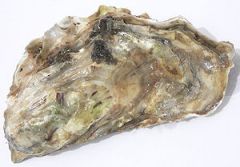
Research -High Salinity Relaying to Reduce Vibrio parahaemolyticus and Vibrio vulnificus in Chesapeake Bay Oysters (Crassostrea virginica)

Wiley Online Vibrio

Abstract

Cases of Vibrio infections in the United States have tripled from 1996 to 2009 and these infections are most often associated with the consumption of seafood, particularly oysters (Crassostrea virginica). Information is needed on how to reduce numbers of Vibrio parahaemolyticus and Vibrio vulnificus in bi-valve molluscan shellfish (for example, oysters). The purpose of this study was to evaluate the effectiveness of high salinity relaying or treatment in recirculating aquaculture systems (RASs) as methods to reduce the abundance of V. parahaemolyticus and V. vulnificus in oysters. For relaying field trials, oysters were collected from approved harvest waters, temperature abused outside under a tarp for 4 h, and then transferred to high (29 to 33 ppt.) and moderate (12 to 19 ppt.) salinities. For RAS treatment trial, oysters were transferred to 32 to 34 ppt. salinity at 15 °C. After 7, 14, 21, and in some instances 28 d, oysters were collected and analyzed for V. parahaemolyticus and V. vulnificus levels using multiplex real-time PCR. Initial levels of V. parahaemolyticus and V. vulnificus ranged from 3.70 to 5.64 log10 MPN/g, and were reduced by 2 to 5 logs after 21 to 28 d in high salinity water (29 to 34 ppt.). Oyster mortalities averaged 4% or less, and did not exceed 7%. Relaying of oysters to high salinity field sites or transfer to high salinity RAS tanks was more effective in reducing V. vulnificus compared with V. parahaemolyticus. These results suggest that high salinity relaying of oysters is more effective in reducing V. vulnificus than V. parahaemolyticus in the oyster species used in this study.

Practical Application

Relaying of naturally contaminated oysters to high salinity sites in the Atlantic Coastal Bays and the Chesapeake Bay could provide a low cost and practical mitigation strategy to reduce Vibrio spp. in oysters. This could result in decreasing the risk of Vibrio illnesses from oyster consumption during the warmer months when Vibrio is present in high numbers. This study provides important information for risk management decisions for the oyster industry and regulatory agencies.


Hong Kong -Food Alert – Bottled preserved bean curd contaminated with Bacillus cereus

Centre for Food Safety Bacillus_cereus_01

<!–

–>

Issue Date 2017-01-19
Source of Information The Centre for Food Safety (CFS)
Food Product Bottled preserved bean curd
Name of Importer
Product name and Description Product name: Sichuan Soya Beancurd with Chili & Sesame Oil
Brand: Tsin Tsu Wei
Place of origin: Taiwan
Distributor: Michael Wah Hing Co Ltd
Best-before date: August 23, 2019
Net weight: 130 grams per bottle

Reason For Issuing Alert

– The CFS collected the above-mentioned sample from a Wellcome supermarket in To Kwa Wan for testing under its routine Food Surveillance Programme. The test result showed that the sample contained Bacillus cereus at a level of 120 000 per gram. According to the Microbiological Guidelines for Food, it is potentially injurious to health or unfit for human consumption if a gram of ready-to-eat food contains more than 100 000 of Bacillus cereus.
Action Taken by the Centre for Food Safety

– The CFS has informed the vendor and distributor concerned of the test result, and instructed them to stop sale of the affected batch of the product and initiate a recall.

– The CFS is tracing the source and distribution of the food item in question.

– The CFS will alert the trade, continue to follow up on the incident and take appropriate action to safeguard food safety and public health. Investigation is ongoing.

Advice to the Trade

– Stop selling the affected batch of the product immediately.
Advice to Consumers
– If consumers have bought and still possess the affected batch of the product, they should stop eating it. They should seek medical advice if they feel sick upon consumption.
Further Information The CFS press release

– Members of the public may call Wellcome’s hotline at 2299 1133 or the distributor Michael Wah Hing Co Ltd’s hotline at 2898 4186 during office hours for enquiries about the recall.


UK – PHE -Listeria data 2006 to 2015

PHE

Key points for 2015

 reporting rates for listeriosis are remarkably consistant over this surveillance period (2006 – 2015)

 the London and the South East regions report the highest numbers of Listeria monocytogenes cases, accounting for 38% of the national total

 reporting of listeriosis is dominated by people over the age of 60 and women of child-bearing age (ages 20 – 29), the latter being cases associated with pregnancy

 October was the peak month for Listeria monocytogenes reporting in 2015