
Much progress had been made in the fight against diarrheal diseases. Global deaths have declined dramatically, from 2.6 million annually in 1990 to 1.3 million in 2013. Gains for children under the age of 5 years have been at least as impressive, with rates of decline in deaths at around 5% per year in absolute numbers. Largely, these gains have come about through improvements in water, sanitation and hygiene and use of oral rehydration solution, facilitated by economic development. Recently, rotavirus vaccination has offered a biomedical tool for further reducing child diarrheal deaths. Despite this progress, diarrheal disease remains the fourth most common cause of mortality and second most common cause of morbidity worldwide in children under the age of 5 years.
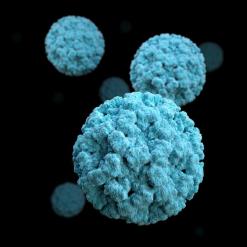
Norovirus is ubiquitous, associated with 18% (95% CI: 17-20%) of diarrheal disease globally, with similar proportions of disease in high- middle- and low- income settings. Norovirus is estimated to cause approximately 200,000 deaths annually worldwide, with 70,000 or more among children in developing countries. The entire age range is affected, with children experiencing the highest incidence. Severe outcomes, including hospitalization and deaths, are common among children and the elderly. In both high- and middle-income countries with mature rotavirus vaccination programs, norovirus is being unmasked as the most common cause of pediatric gastroenteritis requiring medical care.
Disease occurs across the age range in all settings, but incidence is highest in young children, with higher rates and an earlier age-distribution in lower income settings. Depending on setting, a person will experience an average of three to eight norovirus illness episodes in their lifetime, of which at least one will occur by 5 years of age. Noroviruses are transmitted by multiple routes but person-to-person spread predominates. Noroviruses remain a leading cause of sporadic disease and outbreaks of AGE even in industrialized settings, highlighting that improved hygiene and sanitation alone may not be fully effective in controlling norovirus.
Considering the substantial disease burden and the difficulty in controlling norovirus, vaccines may be an attractive, and, perhaps, the only way to effectively control norovirus in the wider community. There are two overarching questions, answers to which will ultimately determine the fate of a norovirus vaccine:
Does the burden of norovirus represent a compelling need for a vaccination program? Can technical challenges be overcome to develop an effective norovirus vaccine for the populations that stand to benefit most?

 FoodWorld