Archives
-
Join 346 other subscribers
KSWFoodWorld
Blog Stats
- 449,857 Views
Monthly Archives: August 2016
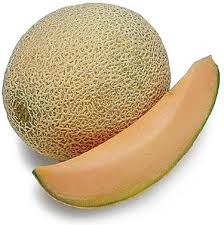
Australia – Salmonella and Rockmelon – Q&A
Salmonella Hvittingfoss has been detected on the surface of some rockmelons that were sampled from a retail outlet in South Australia by South Australia Health.
This sampling was conducted in response to an investigation of a cluster of cases of Salmonella Hvittingfoss. Although case interviews are continuing, consumption of rockmelon is common to many of the cases.
A food recall has been instigated by Red Dirt in the Northern Territory – the company that produces the rockmelons that were found to be positive for Salmonella at the retail outlet in South Australia.
The relevant enforcement agencies are working with the company to make sure implicated product is removed from distribution.
Not every person who eats the affected rockmelons will get sick.
Only some rockmelons are affected by this issue.
If you have rockmelons at home, and you do not know their source, it’s best not to eat them as a precaution. This especially applies to young children, the elderly, pregnant women and people with compromised immune systems.
If you are feeling unwell and suspect you have consumed affected product, please seek medical attention.
The only rockmelons affected by the food recall are sourced from Red Dirt in the Northern Territory. If you have rock melons in your home and do not know the source, either check with your retailer or dispose of them as a precautionary measure.
If you are unsure about products currently for sale, ask your retailer.
Affected rockmelons are currently being removed from distribution.
These products were available for purchase nationally at a variety of retailers including large and small supermarkets, and fruit and vegetable grocery stores. It is also possible that they may have been used by food service businesses, such as restaurants and cafes, childcare centres and aged care facilities. These premises are advised to either check with their place of purchase for the source of their rock melons, or dispose of them as a precaution.
Salmonella illness is one of the most commonly reported gastrointestinal diseases and is notifiable in all Australian states and territories. It can cause mild to severe symptoms and can potentially be fatal. Common symptoms may include abdominal cramps, nausea, diarrhoea, mild fever, vomiting, dehydration and headaches. The usual time it takes from eating a contaminated food to becoming unwell is 24–48 hours (but it can range between 8–72 hours) and symptoms typically last for 2–7 days.
People of all ages are susceptible to Salmonella illness. However, infants (under 5 years of age), the elderly, pregnant women and other people with compromised immune systems are at a greater risk of illness and generally have more severe symptoms.
Further information on Salmonella is available in the FSANZ Agents of Foodborne Illness publication.
The surface of rockmelons can become contaminated by dirty water, direct contact with fertiliser, pests or animals in the field, or if they are not properly washed before sale.
Rockmelons also have a wrinkled surface that can potentially trap bacteria, and when it is cut, the bacteria can be transferred to the inside of the fruit, which is a perfect place for bacterial growth.
Do not buy melons that are bruised or damaged.
If buying fresh-cut produce, make sure it is properly refrigerated. Fresh produce should be refrigerated within 2 hours of peeling or cutting. Leftover fresh-cut produce should be discarded if it’s been left at room temperature for more than 2 hours.
Wash hands with warm soapy water before and after handling rockmelons.
Wash cutting boards, dishes, utensils and counter tops with hot soapy water after they’ve been in contact with fresh produce, raw meat, poultry, raw eggs or seafood.
Food businesses that use or sell rockmelon should check where their produce comes from and be confident it is safe and suitable.
Posted in Uncategorized
USA – Grassfields Cheese Recall Affects Select Whole Foods Market Locations; Grocer Recalls Product from Cheese Departments – Possible STEC E.coli
AUSTIN, Texas – In response to Grassfields Cheese LLC’s organic cheese recall, Whole Foods Market is voluntarily recalling the product from select stores in the Midwest and South out of an abundance of caution. Grassfields Cheese issued the recall due to possible contamination with Shiga toxin-producing E. coli (STEC), a bacteria that can cause serious illness in humans.
E.coli infection symptoms vary by individual, but often include severe stomach cramps, diarrhea (often bloody), and vomiting. If there is fever, it usually is not very high (less than 101˚F/less than 38.5˚C). Most people get better within 5–7 days. Some infections are very mild, but others are severe or even life-threatening. Around 5–10% of those diagnosed with Shiga-toxin producing E.coli infections develop a potentially life-threatening complication known as hemolytic uremic syndrome (HUS). Signs that a person is developing HUS include decreased frequency of urination, feeling very tired, and losing pink color in cheeks and inside the lower eyelids.
The recall includes the following types of Grassfields Cheeses: Gouda, Onion ‘n Garlic, Country Dill, Leyden, Edam, Lamont Cheddar, Fait Gras and Polkton Corners which were cut and packaged in clear plastic wrap with scale labels beginning with PLU codes that ranged from 0206151 to 0206159 and “sell by” dates through 9/2/2016.
The products were sold at Whole Foods Market stores in the following states: Alabama, Georgia, Illinois, Iowa, Indiana, Michigan, Minnesota, Missouri, Nebraska, North Carolina, South Carolina, Tennessee and Wisconsin. Not all products were sold in all stores.
The potential for contamination was identified during an ongoing investigation of seven cases of human illnesses occurring between March and July 2016 caused by a same type of STEC. The Michigan Department of Agriculture and Rural Development’s Geagley Laboratory confirmed the presence of STEC bacteria in a sample of Grassfields cheese collected by MDARD food and dairy inspectors.
Consumers who have purchased any of these recalled products can return them to the store for a full refund. Consumers with questions may contact Grassfields Cheese at 616-997-8251 Monday – Friday, 8am – 5pm EST or Grassfieldscheese@gmail.com.
Posted in Uncategorized
USA -JML Ingredients Recalls IQF Cut Green Beans Because Of Possible Health Risk – Listeria monocytogenes
JML Ingredients, Inc. of East Petersburg, PA is recalling IQF Cut Green Beans, because it has the potential to be contaminated with Listeria monocytogenes, an organism which can cause serious and sometimes fatal infections in young children, frail or elderly people, and others with weakened immune systems. Although healthy individuals may suffer only short-term symptoms such as high fever, severe headache, stiffness, nausea, abdominal pain and diarrhea, Listeria infection can cause miscarriages and stillbirths among pregnant women.
IQF Cut Green Beans was distributed to manufacturers in Massachusetts, New York, and Pennsylvania.
No illnesses have been reported to date.
Posted in Uncategorized
USA -Grassfields Cheese LLC Issues Nationwide Voluntary Recall Of Certain Cheeses – Possible STEC E.coli
(Coopersville, MI) – Out of an abundance of caution, Grassfields Cheese LLC, is conducting a voluntary recall of approximately 20,000 pounds of organic cheeses due to possible contamination with Shiga toxin-producing E. coli (STEC), a bacteria that can cause serious illness in humans. The recalled cheeses were sold from the firm’s retail store located at 14238 60th Ave., Coopersville MI 49404, to wholesale and retail customers, and to consumers nationwide via sales through the firm’s website: http://www.Grassfieldsscheese.com/.
This recall involves all types and sizes of organic cheeses manufactured by the firm between December 1, 2015 through June 1, 2016 including: Gouda, Onion ‘n Garlic, Country Dill, Leyden, Edam, Lamont Cheddar, Chili Cheese, Fait Fras, Polkton Corners and Crofters. The cheeses were sold as wheels, half wheels, and wedges of various sizes.
The potential for contamination was identified during an ongoing investigation of seven cases of human illnesses occurring between March and July 2016 caused by a same type of STEC. The Michigan Department of Agriculture and Rural Development’s Geagley Laboratory confirmed the presenceof STEC bacteria in a sample of Grassfields cheese collected by MDARD food and dairy inspectors.
Posted in Uncategorized
USA -Hawaii Hepatitis Outbreak Latest
The Hawaii Department of Health has issued a press release stating that two new hepatitis A cases in food service workers have been diagnosed. An employee at Chili’s restaurant at 590 Farrington Highway in Kapolei, and a Hawaiian Airlines flight attendant are sick. There are 93 confirmed cases of hepatitis A in Hawaii, with 29 people hospitalized.
Employees of Hawaiian Airlines and Chili’s are among the 93 people sickened in a Hepatitis A outbreak on Oahu. Also included are employees from Baskin Robbins, Sushi Shiono, Taco Bell, and Costco. This does not indicate that these establishments are the source of the outbreak, and at this time no other illnesses have been attributed to these locations, according to the Hawaii Department of Health
Posted in Uncategorized
RASFF Alert -E.coli O145 – Wheatgrass Tablets

RASFF – shigatoxin-producing Escherichia coli (stx1+; O145 /25g) in organic wheatgrass tablets from Germany in Germany
Posted in Uncategorized
RASFF Alert -Food Poisoning Outbreak – Salmonella – Finland -Mung Beans

RASFF – Foodborne outbreak suspected (Salmonella enteritidis) to be caused by organic mung beans sprouts from China, via the Netherlands in Finland
Posted in Uncategorized
Israel -Unilever Israel says additional cereal contains Salmonella
Adi Dovrat-Meseritz of Haaretz reports that after refusing for several days to say which batches of its Telma Cornflakes and Delipecan breakfast cereals were contaminated with salmonella, yesterday Unilever Israel published the production codes and dates of the affected products. They included Cocoman, a brand that was not mentioned in earlier reports.
Posted in Uncategorized
Research -Evaluation of the Use of Shotgun Metagenomic Sequencing for Detection and Strain Level Discrimination of Shiga Toxin-producing Escherichia coli Contamination on Fresh Bagged Spinach
Introduction: Consumption of fresh bagged spinach contaminated with Shiga toxin-producing Escherichia coli (STEC) has led to severe illness and death. Since not all STEC strains are considered human pathogens, virulence characterization of STEC strains is important. Shotgun metagenomics may provide a rapid method to detect, obtain virulence gene information, and determine strain identification and phylogenetic relatedness.
Purpose: The objective of this study was to evaluate the comprehensiveness of a metagenomics approach for detection and strain level identification of STEC on bagged spinach using pathogenic STEC strains of a variety of serotypes and Shiga toxin subtypes.
Methods: Bagged spinach was spiked with one of 12 STEC strains at a level of 0.1 CFU/g spinach and processed according to the U.S. FDA BAM protocol. Sequencing data generated from each sample was used to determine molecular serotype and STEC-specific virulence genes by BLAST analysis, identify the microbial communities present in the enriched sample using a discriminative k-mer method, and perform E. coli core gene SNP analysis on de novo assemblies of the metagenomic sequencing data.
Results: Bacterial community analysis determined that E. coli was a major component of the population in most samples, but molecular serotyping using the metagenomic data revealed the presence of indigenous E. coli in some samples. Despite the presence of additional E. coli strains, the serotype and virulence genes of the spiked STEC, including correct Shiga toxin subtype, were detected in 92% of the samples. E. coli core gene SNP analysis of the metagenomic sequencing data correctly placed the spiked STEC in a phylogeny of related strains in cases where the indigenous E. coli did not predominate.
Significance: Utilizing a shotgun metagenomics approach to characterize STEC contaminating bagged spinach may expedite the time necessary to ascertain the risk level to public health and response time during outbreaks.
Posted in Uncategorized
USA – E. coli Outbreak in Dawson County, Montana at Richey Reunion
An E. coli outbreak at the Richey Centennial Event & All Class Reunion in Richey, Montana in Dawson County has sickened at least 30 people in 8 states. That event was held from July 15 to July 17, 2016
Posted in Uncategorized