
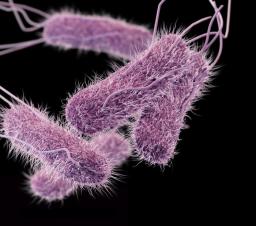
Salmonella poisoning, or salmonellosis, is an illness inspired by the consumption of one of over 2,000 foodborne salmonella strains. “Salmonella infection usually occurs when a person eats food contaminated with the feces of animals or humans carrying the bacteria,” says Foodborne Illness.
According to WebMD, salmonellosis is “more common in the summer than in the winter” and kids are most likely to get it. Those with compromised immune systems may experience severe infections. Salmonella outbreaks shut down food operations far too regularly, and it appears that without the utmost care and caution, foods that regularly contain salmonella bacteria can make it into the hands of consumers and ultimately infect them.
There are roughly one million instances of salmonella poisoning yearly in the United States. Somewhere around 400 people lose their lives because of it each year as well.
According to Dan Myers, The Daily Meal’s Senior Eat/Dine Editor, salmonella can infect “milk, eggs, poultry, and beef. Raw or undercooked eggs, raw milk, contaminated water, and raw and undercooked meats are [also] culprits, [and] it can… be transmitted by someone who doesn’t wash their hands after using the restroom; anything that they touch [can] be contaminated. Alfalfa sprouts, nuts, cucumbers, and melons are also occasionally culpable.”

 FoodWorld