Monthly Archives: October 2015

RASFF Alert – Vibrio cholerae – Frozen Shrimps

RASFF-Logo

RASFF-Vibrio cholerae NON O:1/NON O:139 (presence /25g) in frozen shrimps (Penaeus monodon) from Vietnam in Portugal

RASFF Alerts – Histamine – Yellowfin Tuna

RASFF-Logo

RASFF-histamine (308; 784 mg/kg – ppm) and nitrate (16 mg/kg – ppm) unauthorised in chilled yellowfin tuna loins from Spain in Germany

RASFF-histamine in chilled yellowfin tuna loins in Italy

RASFF Alerts – Salmonella – Cumin Powder – Vine Leaves – Mussels – Chicken – Seasame Seeds

RASFF-Logo

RASFF-Salmonella (presence /25g) in roman cumin powder from Turkey, via the United Kingdom in Hungary

RASFF-Salmonella (presence /25g) in vine leaves – Piper lolot from Cambodia, via Vietnam in the UK

RASFF-Salmonella (presence /25g) in live mussels from the Netherlands in the Netherlands

RASFF-Salmonella enteritidis (presence /25g) in chilled chicken breast filet from Poland in Denmark

RASFF-Salmonella enteritidis (presence /25g) in chicken breast filets from Poland in Denmark

RASFF-Salmonella enteritidis (presence /25g) in chicken breast filets from Poland in Denmark

RASFF-Salmonella (in 2 out of 5 samples /25g) in frozen salted chicken breasts from Thailand in the UK

RASFF-Salmonella Dallgow (presence /25g) in hulled sesame seeds from India in Greece

RASFF-Salmonella (presence /25g) in sesame seeds from India in Germany

RASFF Alerts – Animal Feed – Salmonella – Rapeseed – Rapeseed Cake

RASFF-Logo

RASFF-Salmonella Lexington (1 out of 5 samples /25g) in rapeseed cake from Belarus in Latvia

RASFF-Salmonella Derby (presence /25g) and Salmonella Lexington (presence /25g) in rapeseed cake from Belarus in Latvia

RASFF-Salmonella (detected /25g) and too high count of Enterobacteriaceae (1.1 * 1000 MPN/g) in dog chews from Brazil in the UK

RASFF-Salmonella Derby (1 out of 5 samples /25g) and Salmonella Lexington (3 out of 5 samples /25g) in rapeseed cake from Belarus in Latvia

RASFF-Salmonella Derby (in 2 out of 5 samples /25g) and Salmonella Lexington (in 3 out of 5 samples /25g) in rapeseed cake from Belarus in Latvia

RASFF-Salmonella Lexington (in 5 out of 5 samples /25g) in rapeseed cake from Belarus in Latvia

RASFF-Salmonella Lexington (presence /25g) in rapeseed cake from Belarus in Latvia

Research – Growth Potential of Listeria Monocytogenes and Staphylococcus Aureus on Fresh-Cut Tropical Fruits

WileyOnline

The objective of this study was to evaluate the fate of Staphylococcus aureus, Listeria monocytogenes, and natural microbiota on fresh-cut tropical fruits (pitaya, mango, papaya and pineapple) with commercial PVC film at different storage temperature (5, 13, and 25 °C). The results showed that S. aureus, L. monocytogenes, and natural microbiota increased significantly on fresh-cut tropical fruits at 25 °C. Both pathogen and natural microbiota were able to grow on fresh-cut tropical fruits at 13 °C. The maximum population of L. monocytogenes was higher than that of S. aureus on fresh-cut tropical fruits. L. monocytogenes and S. aureus could survive without growth on fresh-cut pitaya, mango, and papaya at 5 °C. The population of L. monocytogenes declined significantly on fresh-cut pineapple at all temperature, indicating composition of fresh-cut pineapple could inhibit growth of L. monocytogenes. However, S. aureus was still able to grow on fresh-cut pineapple at storage temperature. Thus, this study suggests that 4 kinds of fresh-cut tropical fruits (pitaya, mango, papaya, and pineapple) should be stored at low temperature to extend shelf life as well as to ensure the safety of fresh-cut fruits.

Practical Application

The data collected in this study demonstrated that L. monocytogenes and S. aureus were able to grow on fresh-cut tropical fruits at different temperatures. These results could be of interest in knowing the capacity of tropical fruits to support the growth of L. monocytogenes and S. aureus. This information may also be useful to local and state regulatory officials responsible for food safety.

Vietnam – Suspected Food Poisoning 48 Cases

Viet Nam News

NAM DINH — Forty-eight workers at an industrial zone in the northern Nam Dinh Province were rushed to a military health centre yesterday afternoon, after they fell ill with food poisoning symptoms.

The workers reportedly showed symptoms of stomach pain, headache, vomiting and diarrhoea after they had lunch provided by the Ha Noi-based Tin Phát Company.

Initial investigation showed that Tin Phat Company provided 3,200 lunch portions to Youngor Smart Shirt Ltd. Co workers on October 6. The portions were distributed over two shifts that began at noon.

Research – USDA Researchers Develop Camera System to Detect Active Shiga Toxin

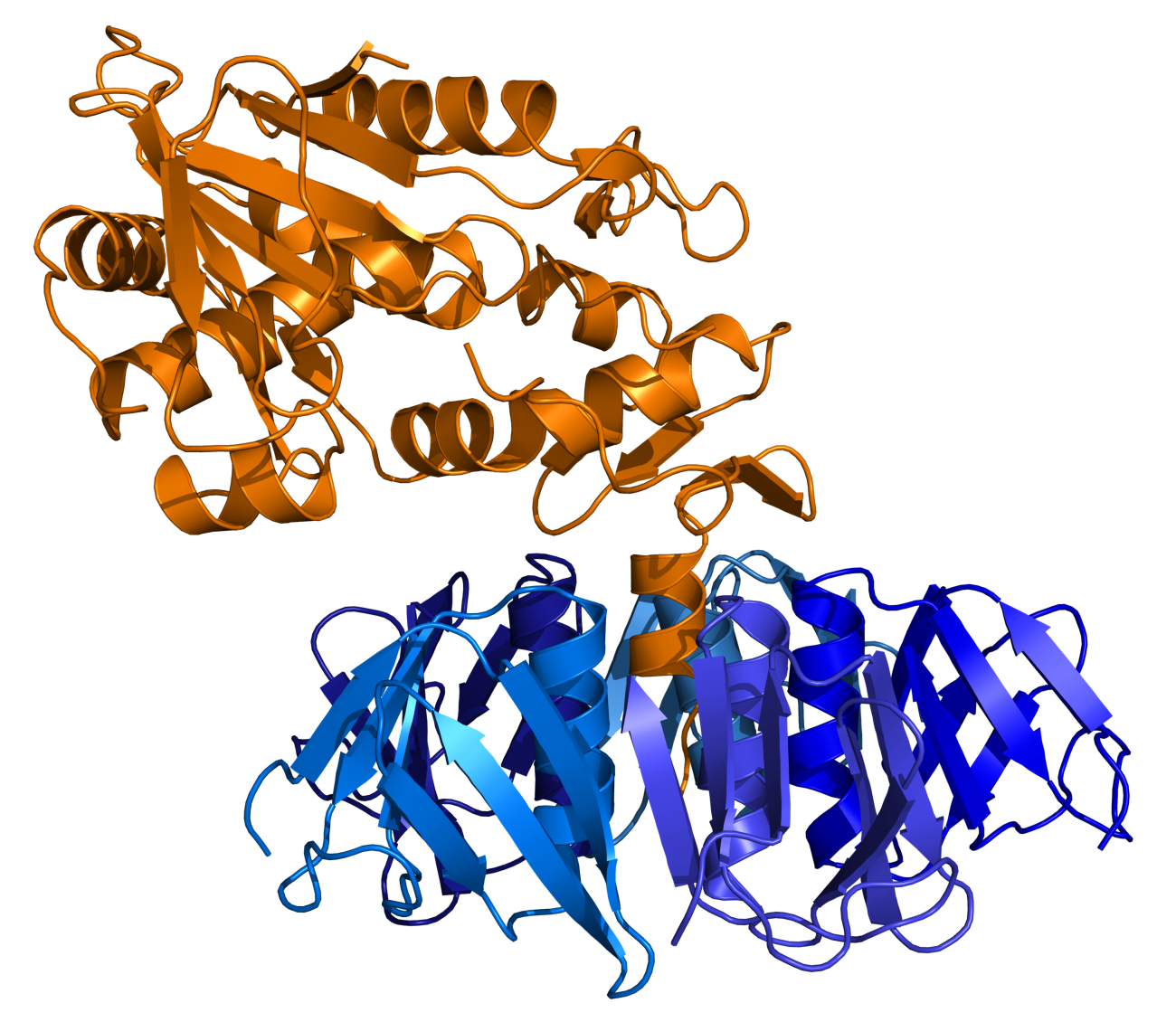
Food Safety News Shiga_toxin_(Stx)_PDB_1r4q

Scientists at USDA’s Agricultural Research Service Western Regional Research Center in Albany, CA, have come up with a less-expensive way to detect biologically active Shiga toxin, a product of pathogenic Escherichia coli serotype O157:H7.

It is estimated that E. coli O157:H7 causes 73,000 cases of food poisoning and more than 60 deaths in the United States each year.

The new system involves the use of a camera and a light-emitting source to biologically determine active toxin.

USA – Recall Cheese – Possible Listeria monocytogenes

FDA

Whole Foods Market is recalling cheese sold in all stores nationwide that came from its supplier because it has the potential to be contaminated with Listeria monocytogenes, an organism which can cause serious and sometimes fatal infections in young children, frail or elderly people, and others with weakened immune systems. Although healthy individuals may suffer only short-term symptoms such as high fever, severe headache, stiffness, nausea, abdominal pain and diarrhea, Listeria infection can cause miscarriages and stillbirths among pregnant women. Consumers should seek immediate medical care if they develop these symptoms.

The recalled cheese was cut and packaged in clear plastic wrap and sold with Whole Foods Market scale labels. Whole Foods Market decided to recall the cheese after routine sampling conducted by the FDA found Listeria Monocytogenes in a whole, uncut wheel of the cheese. The Papillion Organic Roquefort cheese product can be identified by the scale label that begins with PLU 029536. All sell by dates are affected.

No illnesses or infections have been reported to date. Signage is posted on retail store shelves to notify customers of this recall, and all affected product has been removed from shelves.

Research Canada – Online Tool to Help in Preventing Food Related Illness

CFIA CIFA

The online database, known as the Reference Database for Hazard Identification (RDHI), provides a useful industry resource to assist in the development of preventive food safety control plans. Industry can search the tool for food and food-borne hazards in production and processing to help guide the development of their food safety plans.

The Canadian Food Inspection Agency (CFIA) works closely with the food industry to verify that food safety risks are addressed and consumers are protected.

Quick Facts

  • Industry is responsible for producing safe food that meets Canada’s federal food safety rules and regulations.
  • All federally-registered meat plants, for example, are required to have preventive plans in place that anticipate where contamination may occur and outline control measures to address specific risks.
  • Since 2006, the Government has introduced, tougher penalties, the Healthy and Safe Food for Canadians Framework and hired more than 750 new inspectors.

USA – Number of Cucumber Related Salmonellosis Cases Rises – 732 Cases – 4 Deaths

Penn State Food Safety Blog

There have been an addition 61 cucumber linked cases of salmonellosis since the September 29 CDC outbreak update. This brings the total to 732 people.  With a relatively short shelf-life of 14 days, CDC anticipates that there should not be too many more, if any, additional cases.