Monthly Archives: April 2015

Vietnam – Contaminated Fried Fish Cause Food Poisoning – E.coli

SGGP

The Food Administration of Vietnam yesterday announced fried egg fish goldfish to poison 107 workers of Star Company in Phu Nghia Industrial Park in Chuong My District in Hanoi.

107 workers of Star Company were hospitalized on April 8 after eating lunch with fried egg fish goldfish at the company in April 7. The fried fish was contaminated with E.coli. Inspectors said that unsafe food processing and preservation has led to poisoning.

Accordingly, the Administration and the Department of Health in Hanoi asked the company to disinfect the kitchen and ensure the food processing and preservation for food safety and hygiene.

Research – Can humans get Norovirus from their dogs?

Science Direct

Human norovirus may infect our canine companions, according to research published online April 1 in the Journal of Clinical Microbiology, a publication of the American Society for Microbiology. That raises the possibility of dog-to-human transmission, said first author Sarah Caddy, VetMB, PhD, MRCVS, a veterinarian and PhD student at the University of Cambridge, and Imperial College, London, UK. Norovirus is the leading cause of food-borne illness in the United States, according to the Centers for Disease Control and Prevention (CDC).

Korea – Salmonella Infected Milk

Korean Times National

Binggrae, a major food firm, has recalled thousands of milk cartons found to be infected with salmonella, the company said Thursday.

The company recalled some 128,000 340-milliliter cartons of “melon milk” after the company received a lab report indicating the presence of the bacterium.

The products were processed in a company factory in Gimhae, south Gyeongsang Province, on March 31 with a marked expiration date of April 11.

“We decided to recall all the products before they reach consumers. The factory has put on hold the production for the moment, and our officials are conducting an on-site inspection,” the company official added.

Research – Paper Towels Better than Hand Driers?

Daily Mail Online

  • Study: Hand dryers spray more bacteria around room than paper towels
  • Powerful jet air dryers can spray microbes up to 1.5m into the distance
  • They spray bacteria up to 0.9m from the floor – the exact height of a child
  • Experts: Parents should keep children away from air coming out of dryers


Research – Mycotoxins in Dog Food

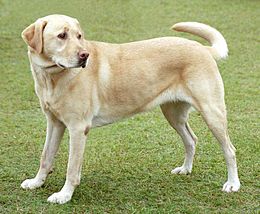
Science Direct 260px-YellowLabradorLooking_new

Abstract

The aim of this study was to determine the presence and the level of contamination of the most important mycotoxins (deoxynivalenol, fumonisin B1 and B2, aflatoxin B1, B2, G1 and G2, ochratoxin A and zearalenone) in 48 samples of extruded dry dog food found in the Italian market (24 samples from standard economy lines, 24 of premium lines). Analyses were performed using ultra-performance liquid chromatography coupled to tandem mass spectrometry. Although the concentrations of the mycotoxins in all samples proved to respect the European legislation with regards to animal feed, the analyses revealed a substantial presence of deoxynivalenol, fumonisins and ochratoxin A, with values above the limit of quantification (5 μg/kg) in 100%, 88% and 81% of the samples, respectively. In contrast, aflatoxins and zearalenone contamination proved to be very modest, with 88% and 75% of the samples, respectively, showing concentrations below the corresponding limit of quantification (5 μg/kg for aflatoxins and 10 μg/kg for zearalenone). Moreover, despite a very heterogeneous contamination, the concentration of fumonisins and ochratoxin A was significantly higher in standard foods than in premiumones (491 vs. 80.2 μg/kg dry matter for fumonisin B1; 113 vs. 38.5 μg/kg dry matter for fumonisin B2; 599 vs. 103 μg/kg dry matter for total fumonisins; 23.8 vs. 13.0 μg/kg dry matter for ochratoxin A; P<0.001). Furthermore, a simultaneous presence of different mycotoxins (at concentrations higher than their limit of quantification) was observed in most of the pet foods analyzed; in particular, 19% of the samples were contaminated by no fewer than two different types of mycotoxins, 52% by three, 25% by four and 2% by all the mycotoxins evaluated. These results revealed the need for further investigation into the potential risk deriving from chronic exposure to low doses of the different types of mycotoxins that pet species are subject to today.

USA – CDC – Blue Bell Ice Cream – Listeria Outbreak Update

CDC

Highlights

  • Read the Advice to Consumers, Institutions, and Retailers>>(http://www.cdc.gov/listeria/outbreaks/ice-cream-03-15/advice-consumers.html)
  • Listeriosis is a life-threatening infection caused by eating food contaminated with the bacterium (germ) Listeria monocytogenes. People at high risk for listeriosis include pregnant women, adults 65 and older, and people with weakened immune systems.
  • CDC recommends that consumers do not eat any Blue Bell brand products made at the Oklahoma production facility, nor any recalled products, and that retailers and institutions not serve or sell them. Blue Bell has issued recent recalls of many products.
  • This is a complex and ongoing multistate outbreak of listeriosis occurring over an extended period. The outbreak now consists of two clusters involving people infected with outbreak strains of Listeria monocytogenes; eight people are reported from Kansas (5) and Texas (3).
    • Details about the two clusters are provided below in the April 8, 2015 Case Count Update.
  • Recent testing of product samples from the Blue Bell Creameries Oklahoma production facility identified Listeria monocytogenes strains in product sold at retail that were not included in the previous two recalls(http://www.cdc.gov/listeria/outbreaks/ice-cream-03-15/advice-consumers.html), including a pint of banana pudding ice cream.
    • On April 3, 2015, Blue Bell Creameries reported that they had voluntarily suspended operations at the Oklahoma production facility.
    • On April 4, 2015, Blue Bell Creameries began working with retailers to remove all products made in the Oklahoma production facility from the market.
    • On April 7, 2015, Blue Bell Creameries announced a third product recall that includes banana pudding ice cream pints and other products made on the same production line in the Oklahoma production facility from February 12, 2015 to March 27, 2015.

RASFF Alerts – Salmonella -Sesame Seeds – Chicken – Turkey – Pork

RASFF-Logo

RASFF-Salmonella Montevideo (presence /25g) in hulled sesame seeds from India in Greece

RASFF-Salmonella enteritidis (2 out of 5 samples /25g) in frozen salted chicken fillets from Thailand in Germany

RASFF-Salmonella spp. (presence /25g) in frozen salted chicken breast fillets from Brazil in the Netherlands

RASFF-Salmonella typhimurium (presence /25g) in frozen raw turkey cutlets from France in France

RASFF-Salmonella spp. (prence /25g) in pork tenderloin from Spain in Sweden

RASFF-Salmonella enteritidis (presence /25g) in frozen chicken inner fillets from Romania in France

RASFF-Salmonella enteritidis (presence /25g) in frozen chicken inner fillets from Poland  in France

RASFF-Salmonella typhimurium (presence /25g) in chilled turkey fillets from Poland in Belgium


RASFF Alerts – STEC E.coli -Sheeps Meat – E.coli – Mussels

RASFF-Logo

RASFF-shigatoxin-producing Escherichia coli (stx+, eae+) in sheep’s meat from the Netherlands, processed in Belgium in Belgium

RASFF-too high count of Escherichia coli (330 MPN/100g) in mediterranean mussels (Mytilus galloprovincialis ) from Italy in Italy

RASFF Alerts – Listeria monocytogenes – Vegetable Mixes – Marinated Herring

RASFF-Logo

RASFF-Listeria monocytogenes in 12 different types of vegetable mixes from Sweden in Sweden

RASFF-Listeria monocytogenes (presence /25g) in marinated herring from Poland, with raw material from Denmark in Poland

RASFF Alert – Bacillus cereus – Black Fungus

RASFF-Logo

RASFF-Bacillus cereus (900000 CFU/g) in dried black fungus Mu Err from Thailand, via the Netherlands in Austria