
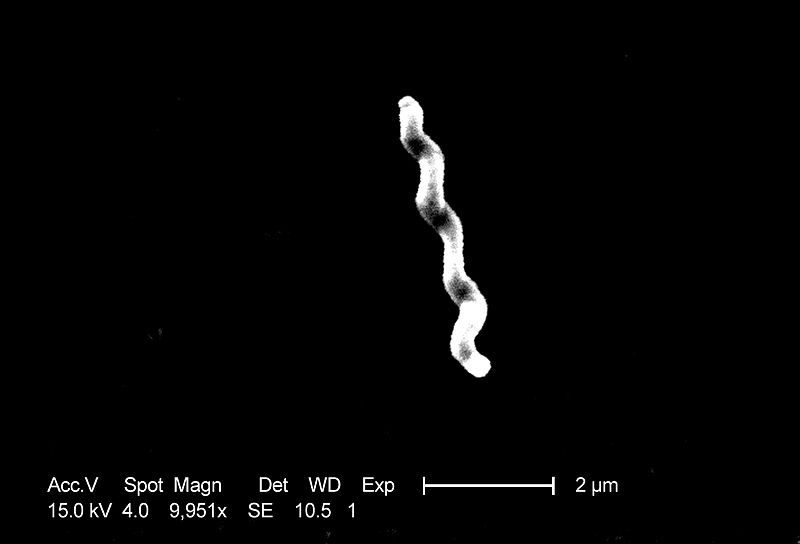
Multilocus sequence types (STs) were determined for 232 and 737 Campylobacter jejuni/coli isolates from Dutch travellers and domestically acquired cases, respectively. Putative risk factors for travel-related campylobacteriosis, and for domestically acquired campylobacteriosis caused by exotic STs (putatively carried by returning travellers), were investigated. Travelling to Asia, Africa, Latin America and the Caribbean, and Southern Europe significantly increased the risk of acquiring campylobacteriosis compared to travelling within Western Europe. Besides eating chicken, using antacids, and having chronic enteropathies, we identified eating vegetable salad outside Europe, drinking bottled water in high-risk destinations, and handling/eating undercooked pork as possible risk factors for travel-related campylobacteriosis. Factors associated with domestically acquired campylobacteriosis caused by exotic STs involved predominantly person-to-person contacts around popular holiday periods. We concluded that putative determinants of travel-related campylobacteriosis differ from those of domestically acquired infections and that returning travellers may carry several exotic strains that might subsequently spread to domestic populations even through limited person-to-person transmission.
The significance of petting zoos for transmission of Campylobacter to humans and the effect of interventions were estimated. A stochastic QMRA model simulating a child or adult visiting a Dutch petting zoo was built. The model describes the transmission of Campylobacter in animal feces from the various animal species, fences, and the playground to ingestion by visitors through touching these so-called carriers and subsequently touching their lips. Extensive field and laboratory research was done to fulfill data needs. Fecal contamination on all carriers was measured by swabbing in 10 petting zoos, using Escherichia coli as an indicator. Carrier-hand and hand-lip touching frequencies were estimated by, in total, 13 days of observations of visitors by two observers at two petting zoos. The transmission from carrier to hand and from hand to lip by touching was measured using preapplied cow feces to which E. coli WG5 was added as an indicator. Via a Beta-Poisson dose-response function, the number of Campylobacter cases for the whole of the Netherlands (16 million population) in a year was estimated at 187 and 52 for children and adults, respectively, so 239 in total. This is significantly lower than previous QMRA results on chicken fillet and drinking water consumption. Scenarios of 90% reduction of the contamination (meant to mimic cleaning) of all fences and just goat fences reduces the number of cases by 82% and 75%, respectively. The model can easily be adapted for other fecally transmitted pathogens.

 FoodWorld